Several years ago, I bid and won an original Berkeley Impulse kit on E-Bay. I don't remember exactly how much I paid for it, but I think it was around $40 shipping included. The kit had some water stains on it. The plan was aged from heat. It appeared the kit had been stored in someone's attic for a while.


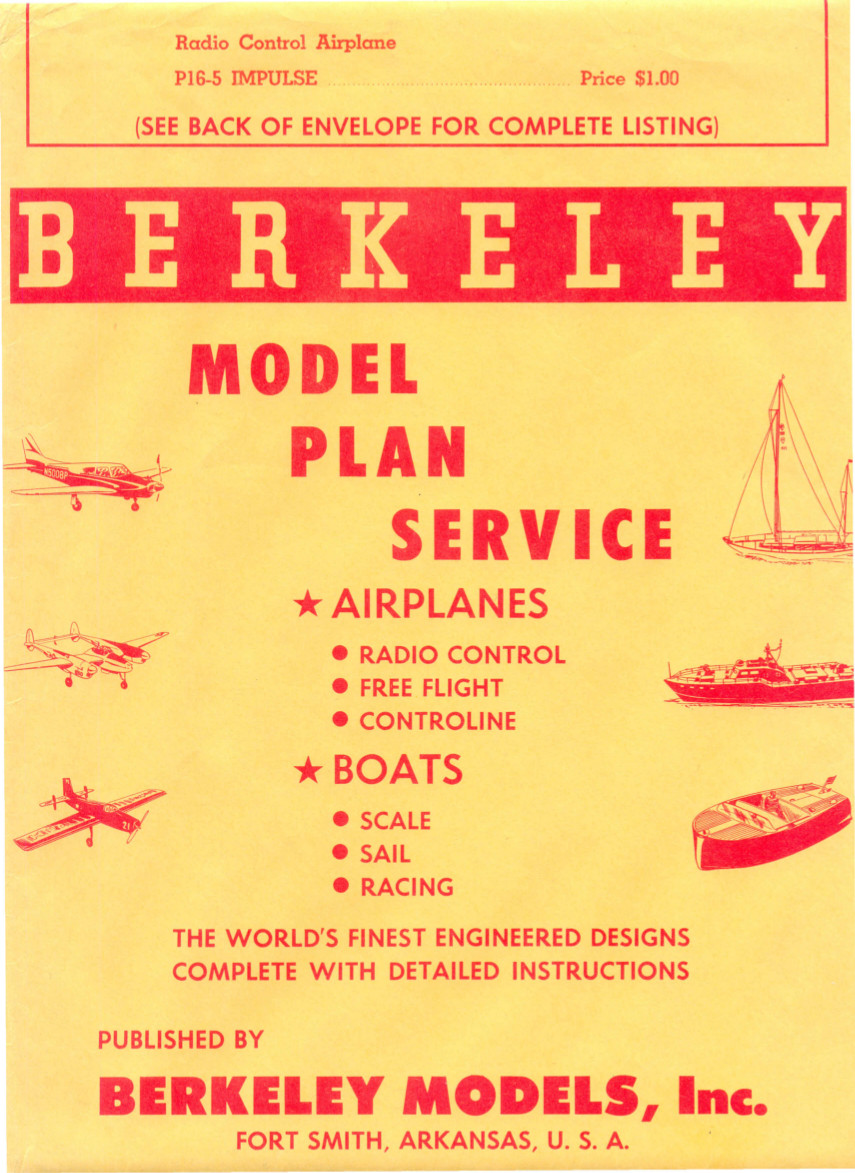
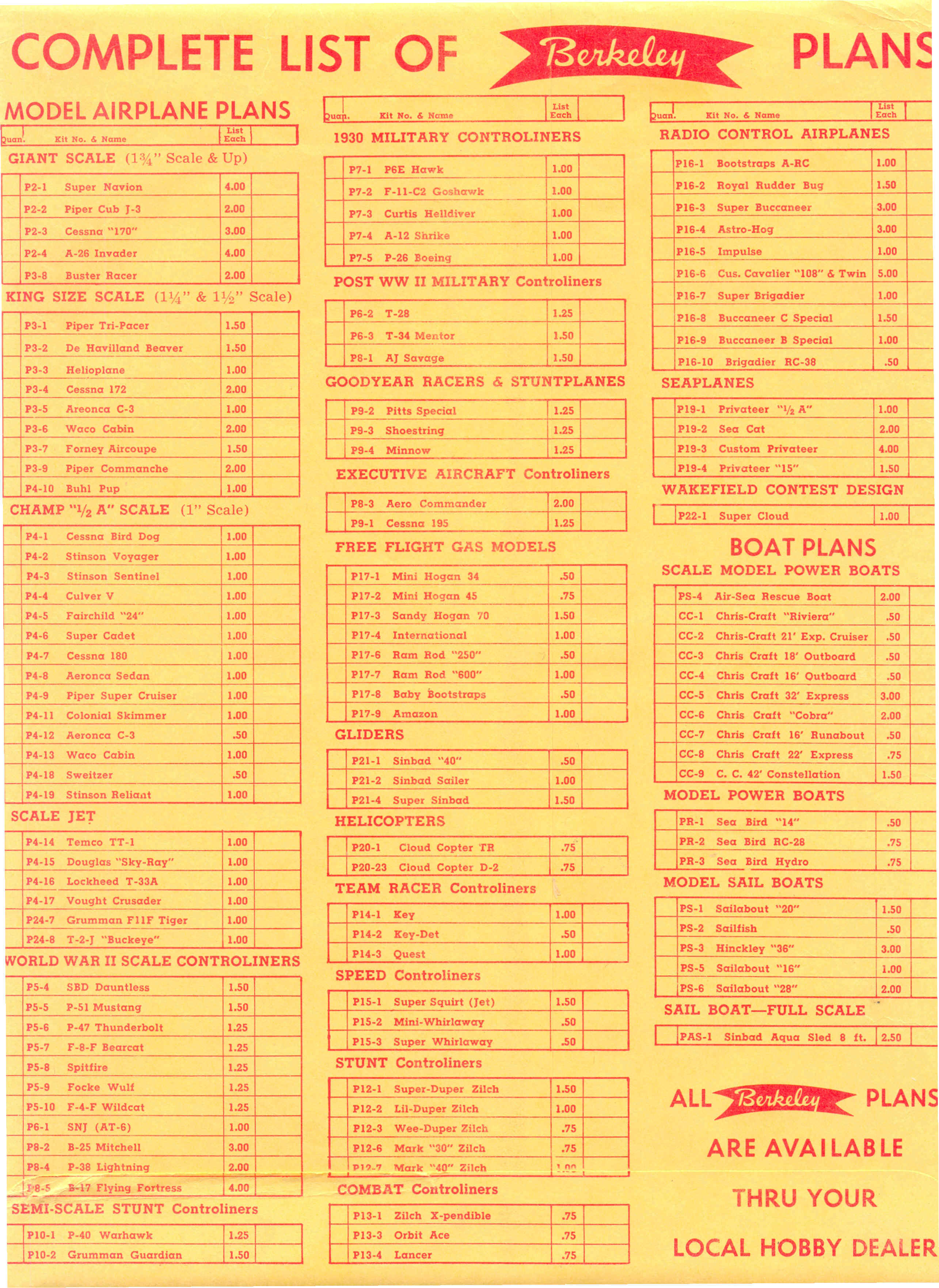
First, I reconnoitered the situation. I already had a good plan that I bought from Sig in the mid 1990's, when they were clearing out the remaining Berkeley plans they had in stock. It came with the original Berkeley plan envelope. As Kit P16-5 it sold for $1.00 US when Berkeley was still in business in the early 1960's. Of course I paid more for it from Sig, but it was still only a couple bucks.
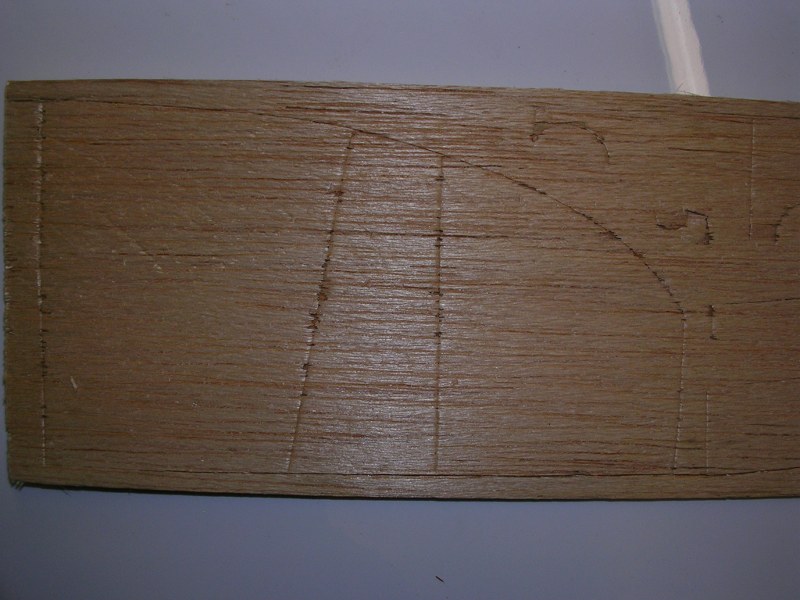
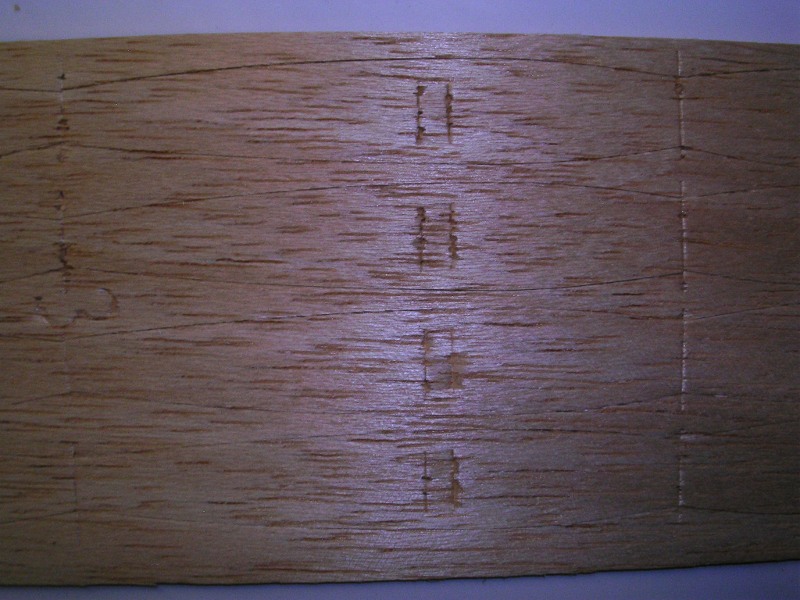
First impressions of the kit .... it had a lot of die crunched pieces and plywood was the inferior quality Luan, not birch ply of later kits. Accuracy of die cutting left a little to be desired on larger pieces such as the fuselage halves.
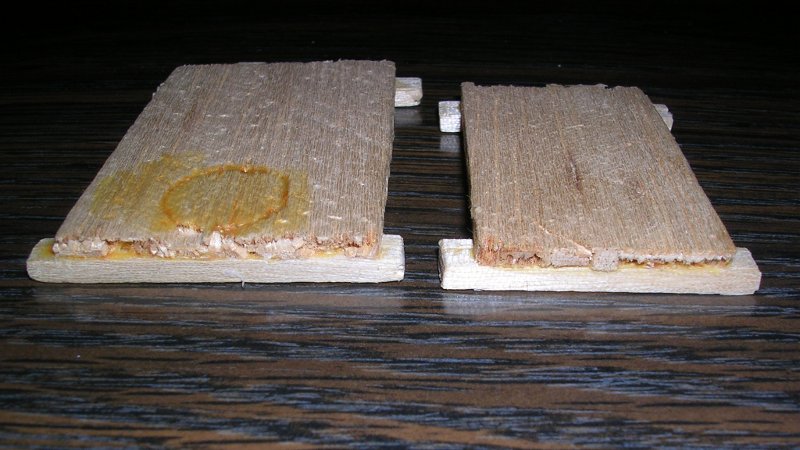
First, I started off by cutting out the wing and stabilizer ribs, fuselage sides and formers, then start assembly.
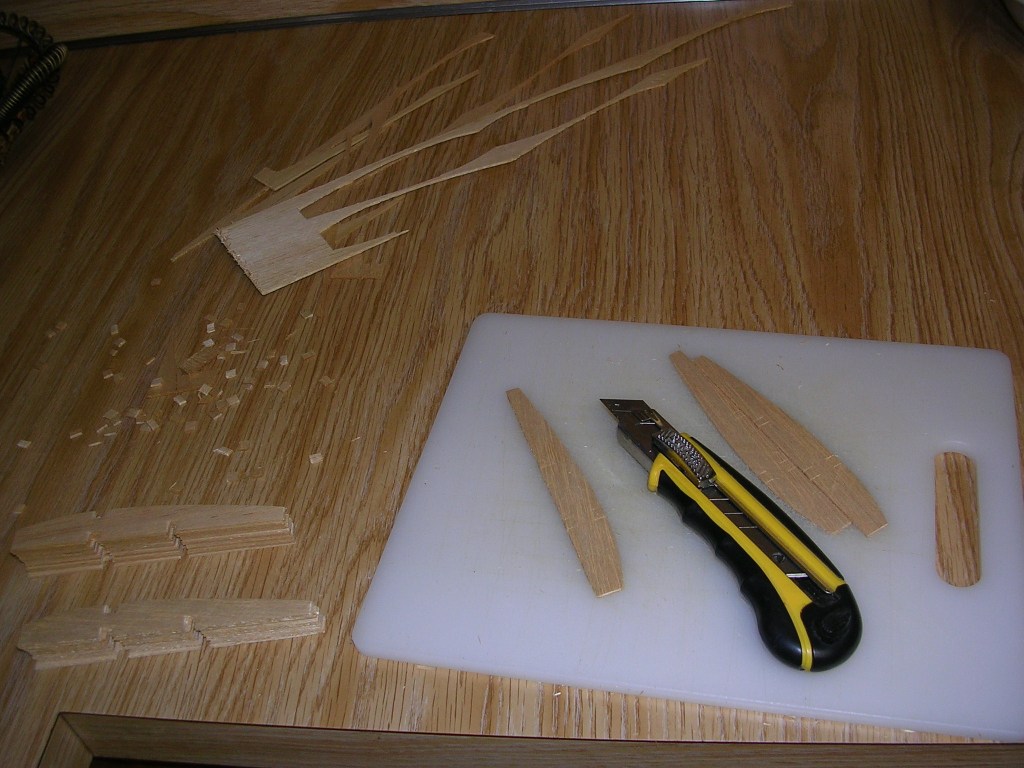
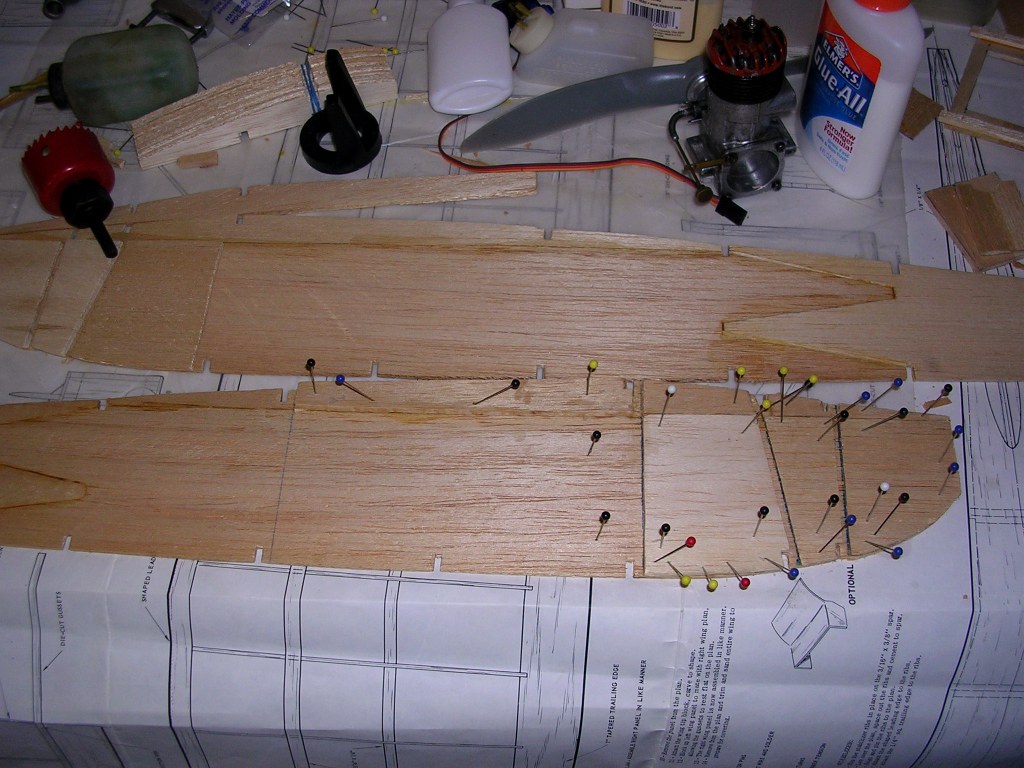
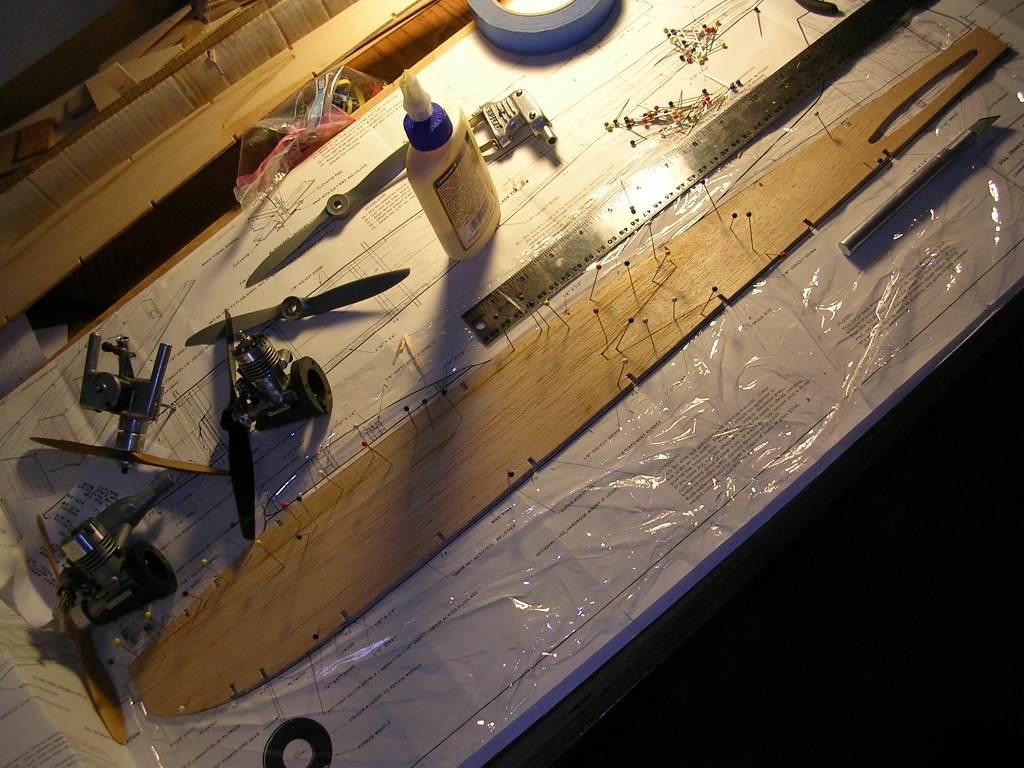
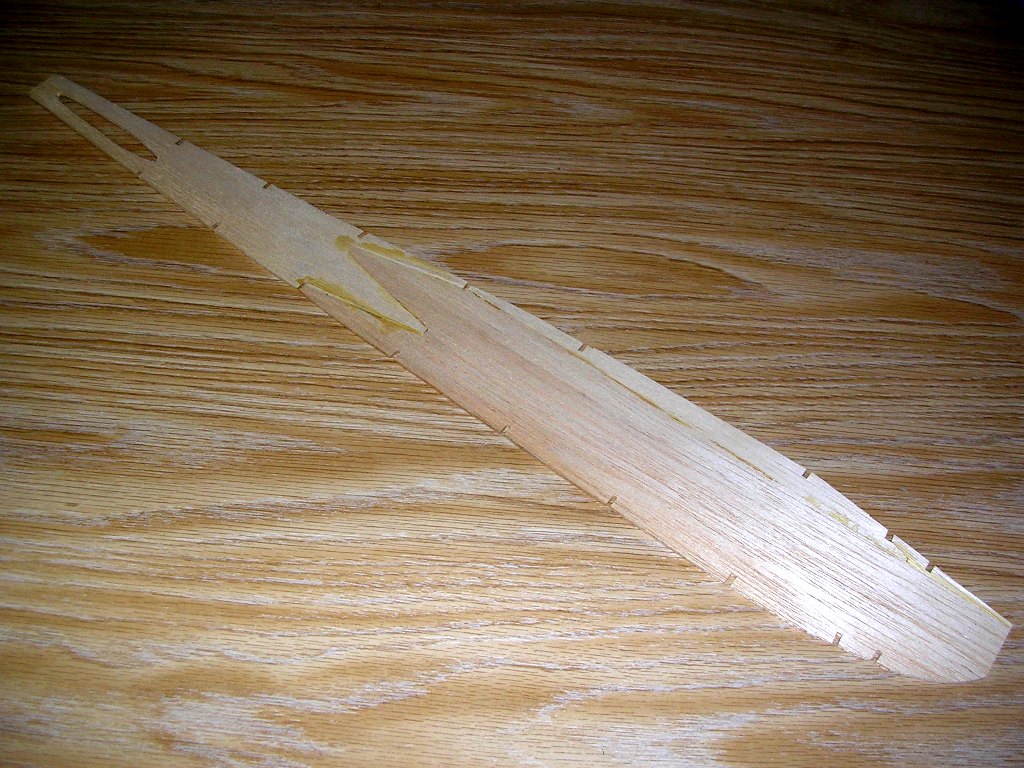
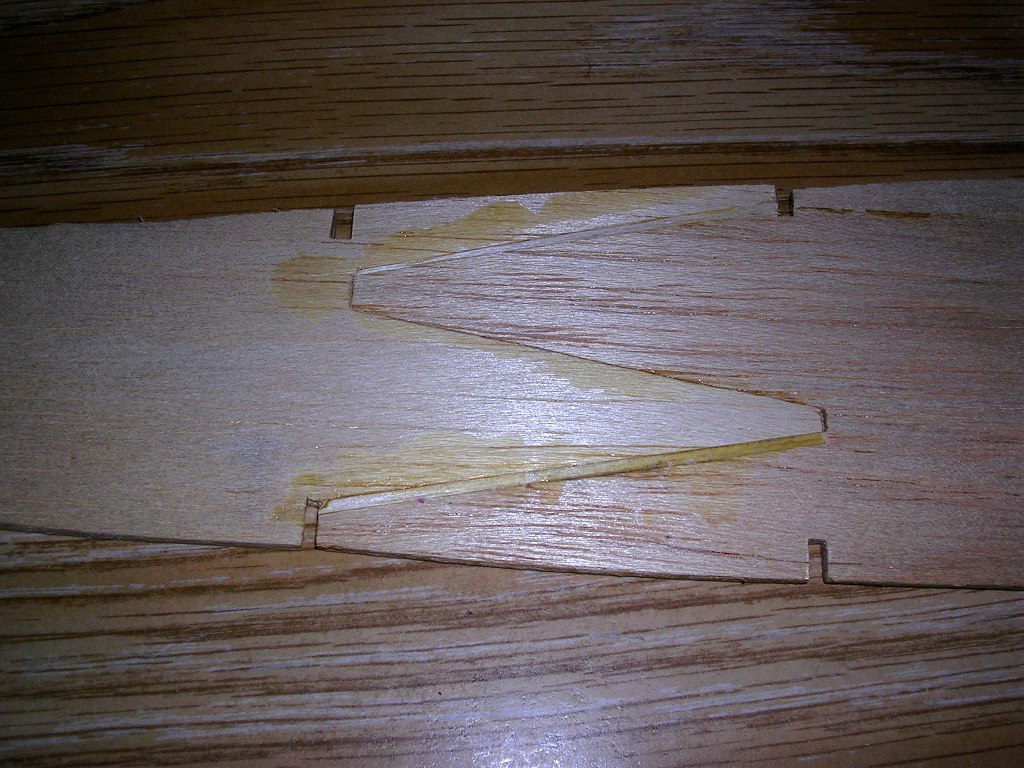
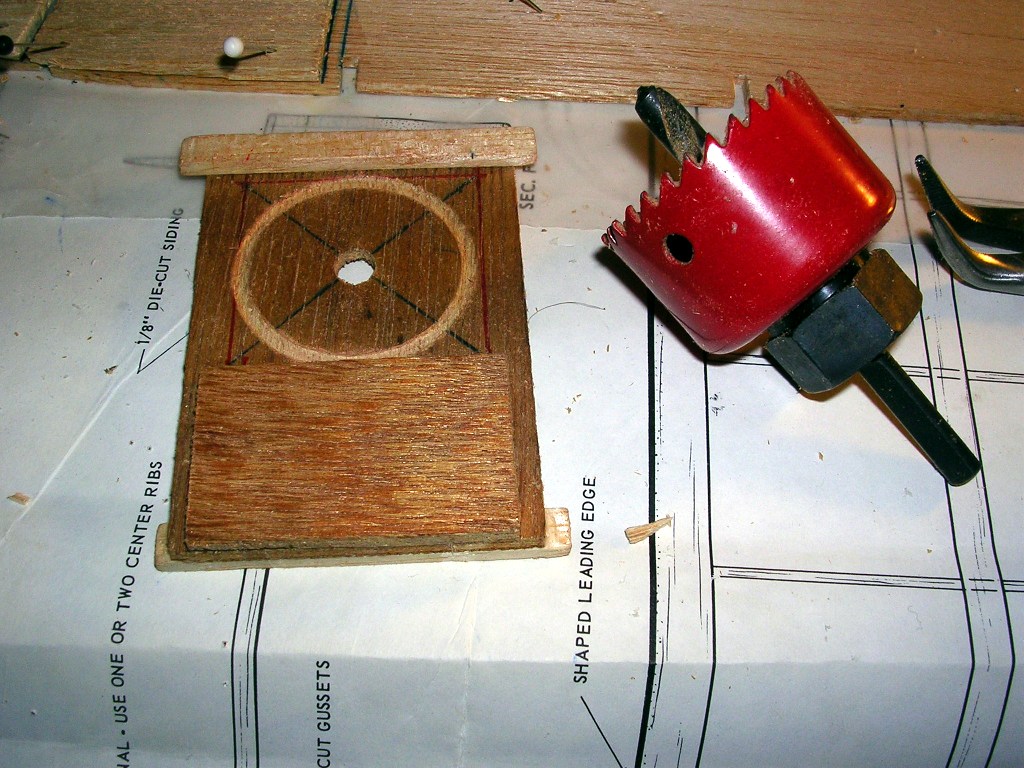
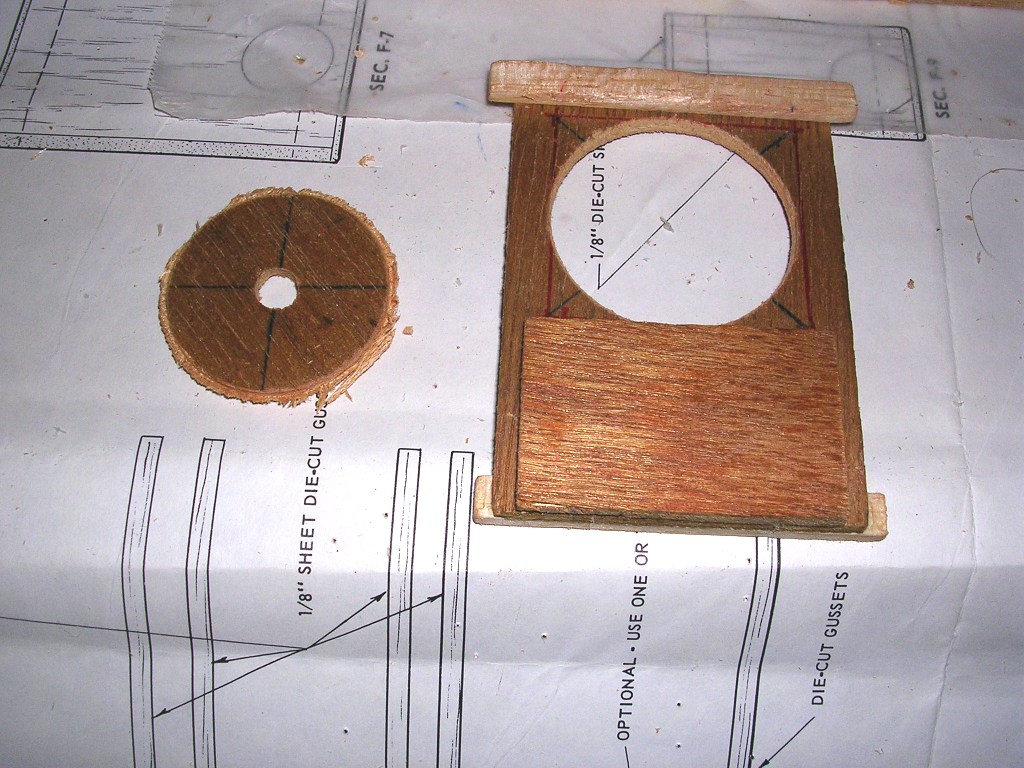
Fit and finish of the fuselage sides were rough. I trimmed as best as possible, but still fell short, ended up splicing a little back to make a solid fuselage side from two pieces. Then pieced together the buikheads. Also removed balsa from the center of the bulkheads to reduce weight. To make room for the fuel tank, I cut out the center of the landing gear mounting bulkhead with a hole saw. To prevent from splitting the Luan, I rotated the bit manually by hand until I penetrated the first ply on the front side, then the back. Then chucked the bit in a hand held electric drill and finished the hole. This resulted in a clean hole in the Luan.
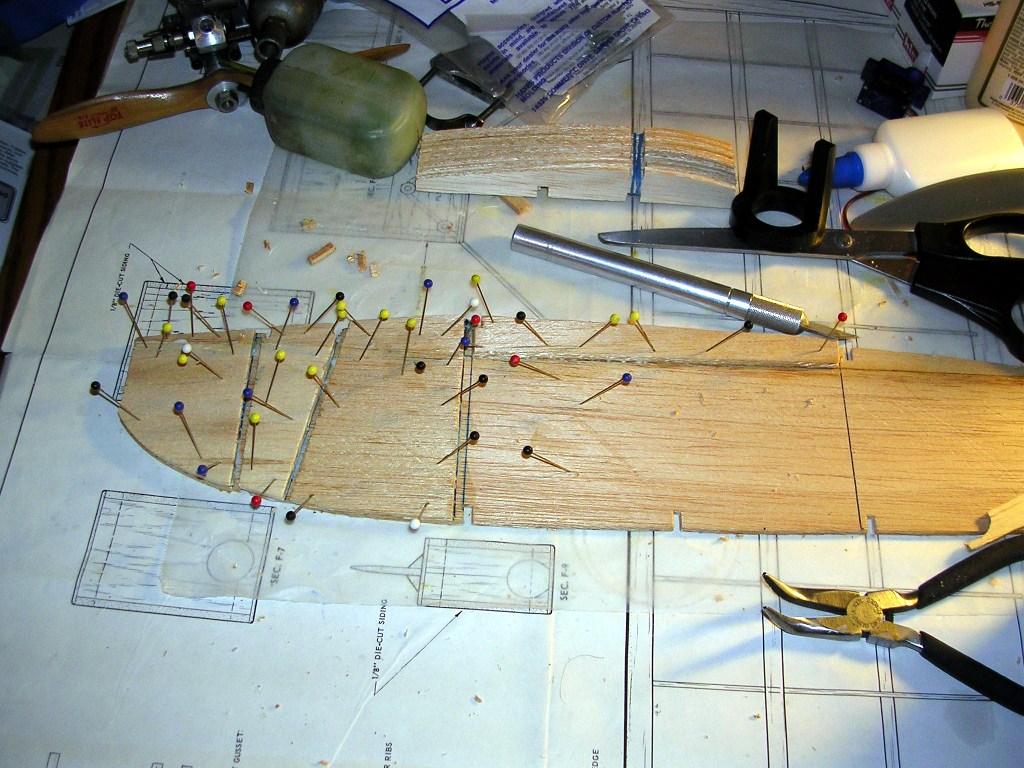
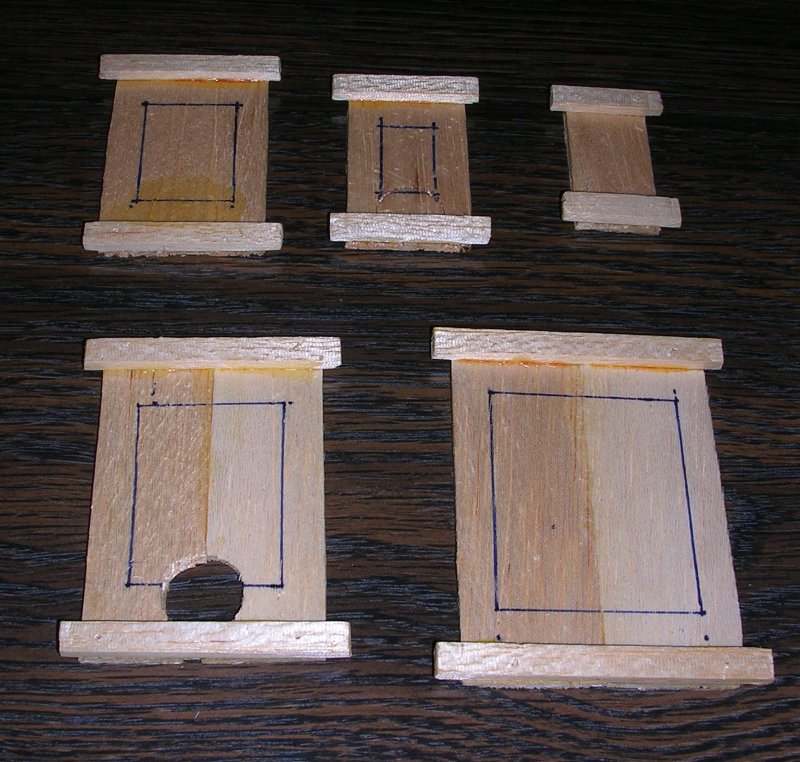
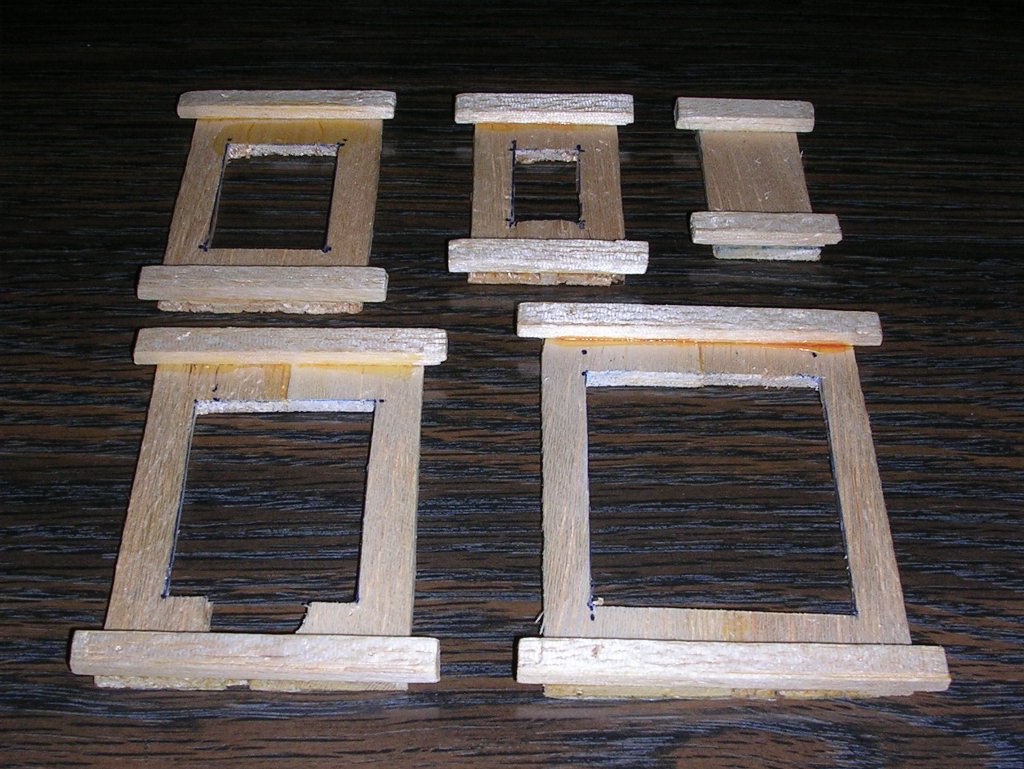
Next, I started to assemble the fuselage. The back half was easy.
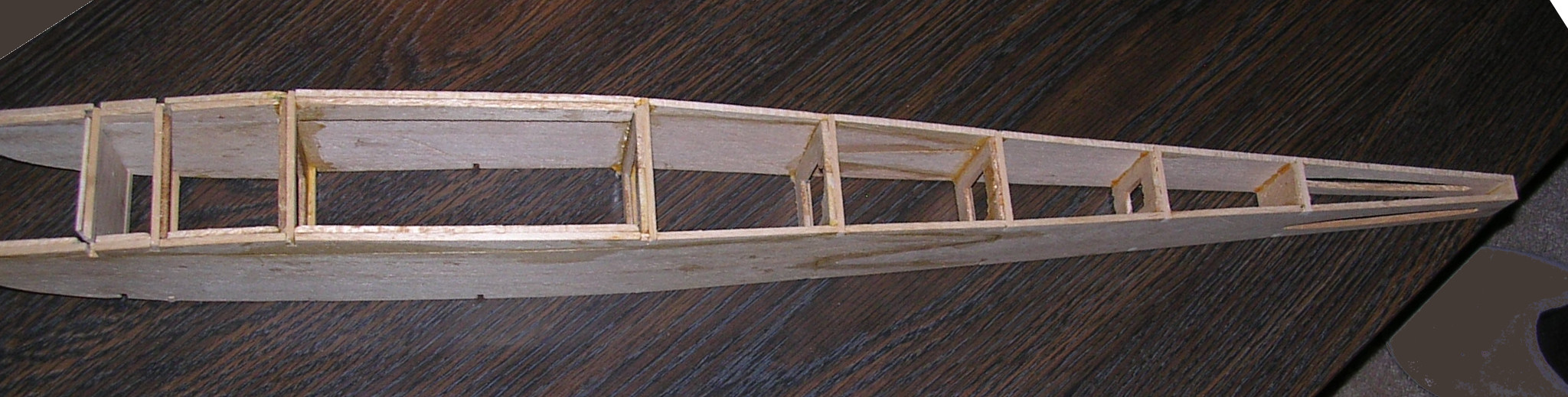
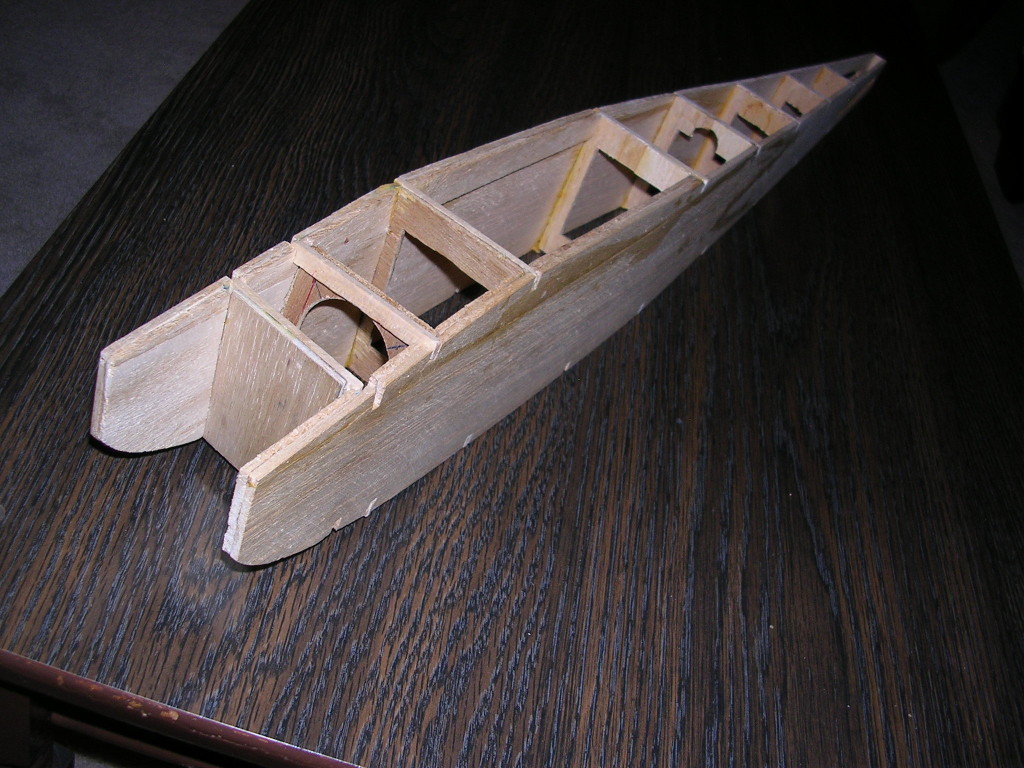
The hardest was the front. the fuselage with front front doublers made the wood 1/4" thick which is harder to align.
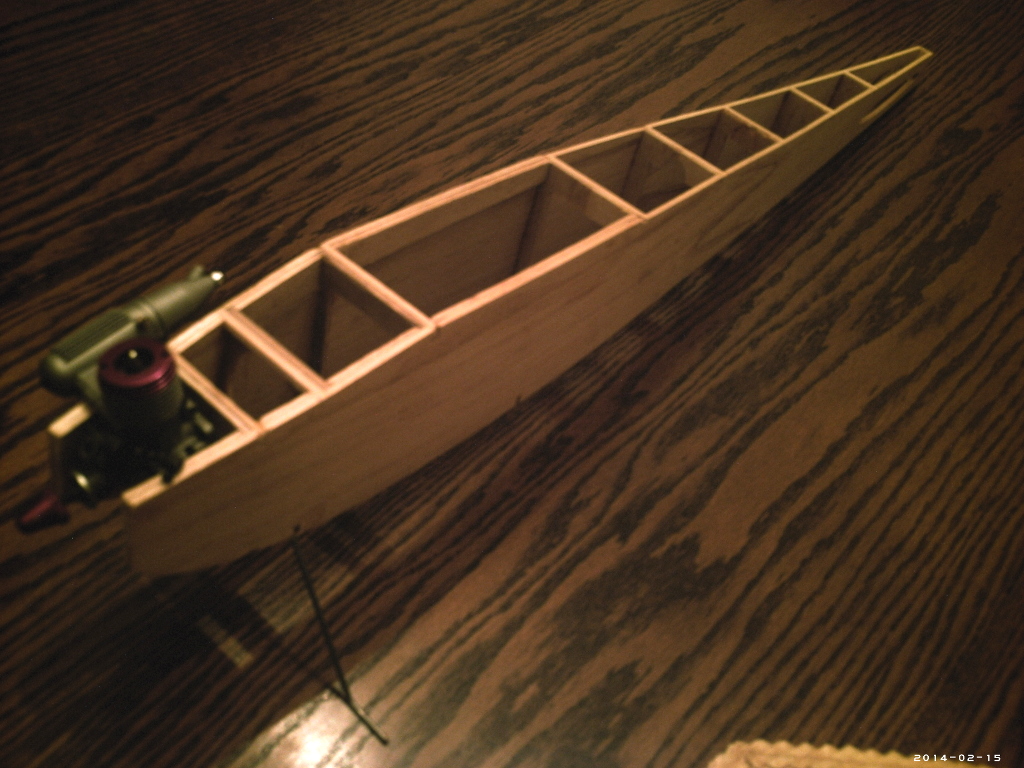
After the glue cured on the two forward buikheads, the check cowls wound up being too tight of a fit for the Enya .09-III engine's mounting lugs. Rather than attempt to extract the engine firewall, which would damage the fuselage, I needed to find another engine that was powerful enough to fly this 46" (1,168 mm) wingspan. The Thunder Tiger GP-07 fits like it was made for it, so this will be my powerplant.
The fuselage edges required considerably sanding to true up the outine. By the mid 1960's, die cutting became more accurate. Today people are spoiled and rightly so for the accuracy that laser cutting has brought. The wood also wasn't sanded, with swirl marks caused by the rotary saws used to cut the balsa sheet. This Berkeley kit was rather rough by today's standards.