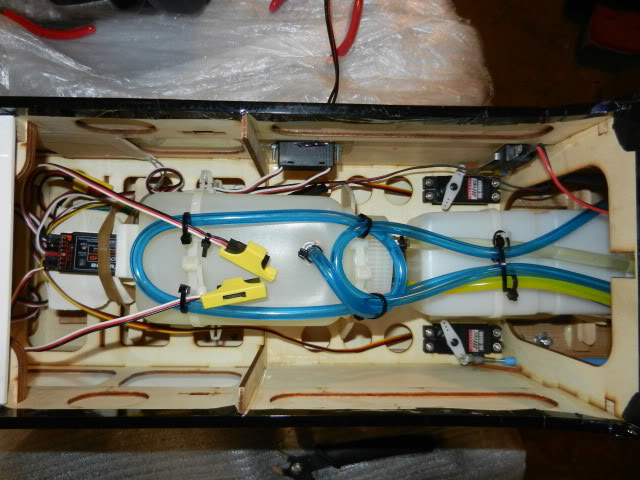
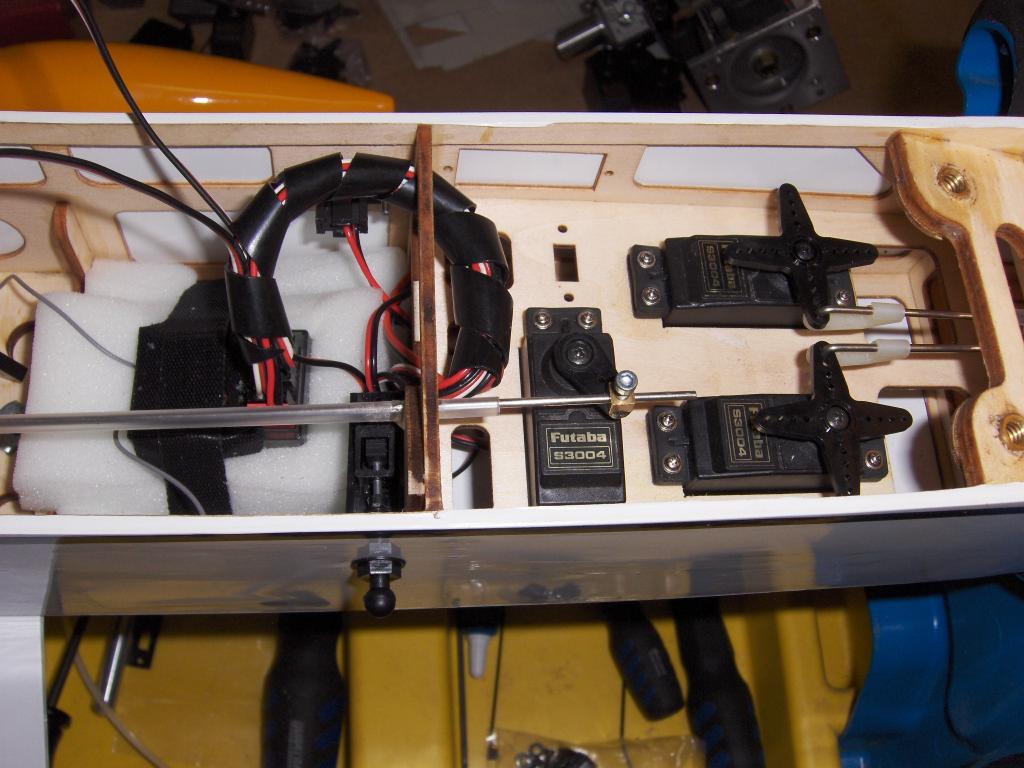
Servo extension


 04-20-2015 | 03:07 AM
#3
Senior Member

You can but you open the door for more probable problems as time goes on. Any connection ( extensions creates more of them) will eventually deteriorate enough to cause problems, especially if buried where they do not get cycled (mated/demated) periodically to wipe any corrosion/dirt from the contacts. It is always better to just splice (solder) extension wires into the lead where they are buried inside structure and not repeatedly cycled.
04-21-2015 | 05:39 PM
#6

If you are worried you can coat the connection surfaces with a product called CorrosionX, which is designed for just that problem (prevent contact oxidation). The military and aircraft manufacturers use it as well.
04-23-2015 | 08:41 AM
#8
Senior Member
Joined: Jan 2011
Posts: 2,018
Likes: 0
Received 0 Likes
on
0 Posts
From: SorrentoBritish Columbia, CANADA
The less connetions you have the better but there is no reason you can't use more than one extension . If you know how to solder you would be better off to buy a length of servo wire and solder up one continuous line .
04-23-2015 | 12:14 PM
#9
I was just thinking more on this and almost all of my aileron servos have three separate & connected runs. 6" to 12" to get from the receiver to the wing bay. I connect there when assembling at the field, and the line in the wing will have a jumper to get a few inches loose wire so they can be connected. Have done this many, many years. Much easier that trying to plug directly into the receiver. I mark the mating connectors with like-colored cable ties.