


Tail draggers, why are they harder to fly
 01-05-2009 | 07:36 AM
#1
Thread Starter
Member
Joined: Dec 2008
Posts: 38
Likes: 0
Received 0 Likes
on
0 Posts
From: Adelaide, AUSTRALIA
 Tail draggers, why are they harder to fly
Hi guys,
I am just wondering what makes the tail dragger harder to fly,
I have succesfully flown and landed my E-flight apprentice (non tail dragger) many times but am not going to fly my J3 cub (which is of course a tail dragger) until I have had tuition and have had an experienced pilot to fly my cub first to make sure it is ok,
I know some will say that I shouldnt have flown my apprentice without tuition but some of you must know the temptation,
After many hours on my good simulator i found i could fly the apprentice for real not too badly,
Its a very forgiving trainer especially when flown on low rates at lower throttle,
I am definately not going to fly my cub without experience as i have too much invested into it,
But just wondering what actually makes the tail draggers harder,
Cheers,paul
I am just wondering what makes the tail dragger harder to fly,
I have succesfully flown and landed my E-flight apprentice (non tail dragger) many times but am not going to fly my J3 cub (which is of course a tail dragger) until I have had tuition and have had an experienced pilot to fly my cub first to make sure it is ok,
I know some will say that I shouldnt have flown my apprentice without tuition but some of you must know the temptation,
After many hours on my good simulator i found i could fly the apprentice for real not too badly,
Its a very forgiving trainer especially when flown on low rates at lower throttle,
I am definately not going to fly my cub without experience as i have too much invested into it,
But just wondering what actually makes the tail draggers harder,
Cheers,paul
 01-05-2009 | 07:52 AM
#2
Senior Member
Joined: Jan 2008
Posts: 608
Likes: 0
Received 0 Likes
on
0 Posts
RE: Tail draggers, why are they harder to fly
Ground handling.
There is a point where your airspeed rises enough that the tail lifts off and the tailwheel is no longer effective while at the same time the airspeed isn't high enough for the rudder to be very effective either.
With most models this is a very short period of time and is of little consquence. But a tricycle gear benefits from the nosewheel steering until you purposely roll it off.
A nosegear tends to keep the prop from touching and keeps the plane from nosing over. A taildragger offers no such protection and demands the pilot maintain the attitude of the plane until it slows enough to firmly ride on the tailwheel.
Hope this helps,
Clay
There is a point where your airspeed rises enough that the tail lifts off and the tailwheel is no longer effective while at the same time the airspeed isn't high enough for the rudder to be very effective either.
With most models this is a very short period of time and is of little consquence. But a tricycle gear benefits from the nosewheel steering until you purposely roll it off.
A nosegear tends to keep the prop from touching and keeps the plane from nosing over. A taildragger offers no such protection and demands the pilot maintain the attitude of the plane until it slows enough to firmly ride on the tailwheel.
Hope this helps,
Clay
01-05-2009 | 07:52 AM
#3
Senior Member
My Feedback: (17)
Joined: Feb 2008
Posts: 983
Likes: 0
Received 0 Likes
on
0 Posts
From: Ewa,
HI
RE: Tail draggers, why are they harder to fly
Its not harder, for me its actually easier. I feel its easier to float in with a tail dragger versus a trike setup. Im not sure why other people find it to be harder, but I guess we will find out.
 01-05-2009 | 08:02 AM
#5
 RE: Tail draggers, why are they harder to fly
They are not harder to fly and the landing is nicer/easier, it is just the take off on grass that can be a little bit tricky...
Just make sure that you have enough toe-in and you should be fine.
One can also use a bit of up elevator to keep ground contact (and steering) with the rear while speeding up, but don't hold it for too long.
Just make sure that you have enough toe-in and you should be fine.
One can also use a bit of up elevator to keep ground contact (and steering) with the rear while speeding up, but don't hold it for too long.
01-05-2009 | 08:20 AM
#6
Senior Member
Joined: Jul 2007
Posts: 584
Likes: 0
Received 0 Likes
on
0 Posts
From: Homestead,
FL
RE: Tail draggers, why are they harder to fly
Paul,
IMO taildraggers are not any harder to fly than any other airplane, once in the air all airplanes fly basically the same. Its the ground handling ie. taxing, takeoff rolls, and landing rollouts that have to be handled a bit different.
The differences between a taildragger and tricycle gear lie in the fact that the taildragger does not have the nosewheel to prevent it from windcocking if theres a crosswind. Engine torque will be a greater factor with the taildragger so you have to anticipate adding more rudder on takeoff roll to control the effects. With a tricycle gear airplane the nosegear helps to keep the airplane cocking from the torque.
The taildragger has a higher angle of attack on the ground due to the gear which causes possible premature liftoffs before the airplane has enough airspeed to fly causing a stall if airspeed is not adequate. Its important to get the tail of the airplane up on takeoff roll especially if the aircraft does not have a great deal of power to fly off the prop vs. the wing.
The pilot has to be more attentive with the rudder on takeoff and landing rolls to keep the airplane straight on the runway.
After you've flown taildraggers for a while you will go back and forth between both conventional and nosegear without thinking much of it.
Your cub is going to be pretty quick on the ground due to the narrow gear and the short distance between the main gear and tailwheel. Add power slowly on takeoff roll getting the tail up to where the fuselage is level with the ground until you gain enough airspeed to fly before adding elevator to liftoff.
If you have a simulator you can practice takeoffs and landings with conventional geared airplanes. I usually have my students practice on the simulator with several airplanes that I feel are pretty quick in ground handling, the Cub, Extra 300, Corsair, and P-47. I give them exercises to do like starting at the edge of the runway and correcting to the centerline on the takeoff roll. If they do not stay straight on takeoff roll abort and start over again until they can make a smooth takeoff.
Don't fear a taildragger it just adds more fun to the hobby!
IMO taildraggers are not any harder to fly than any other airplane, once in the air all airplanes fly basically the same. Its the ground handling ie. taxing, takeoff rolls, and landing rollouts that have to be handled a bit different.
The differences between a taildragger and tricycle gear lie in the fact that the taildragger does not have the nosewheel to prevent it from windcocking if theres a crosswind. Engine torque will be a greater factor with the taildragger so you have to anticipate adding more rudder on takeoff roll to control the effects. With a tricycle gear airplane the nosegear helps to keep the airplane cocking from the torque.
The taildragger has a higher angle of attack on the ground due to the gear which causes possible premature liftoffs before the airplane has enough airspeed to fly causing a stall if airspeed is not adequate. Its important to get the tail of the airplane up on takeoff roll especially if the aircraft does not have a great deal of power to fly off the prop vs. the wing.
The pilot has to be more attentive with the rudder on takeoff and landing rolls to keep the airplane straight on the runway.
After you've flown taildraggers for a while you will go back and forth between both conventional and nosegear without thinking much of it.
Your cub is going to be pretty quick on the ground due to the narrow gear and the short distance between the main gear and tailwheel. Add power slowly on takeoff roll getting the tail up to where the fuselage is level with the ground until you gain enough airspeed to fly before adding elevator to liftoff.
If you have a simulator you can practice takeoffs and landings with conventional geared airplanes. I usually have my students practice on the simulator with several airplanes that I feel are pretty quick in ground handling, the Cub, Extra 300, Corsair, and P-47. I give them exercises to do like starting at the edge of the runway and correcting to the centerline on the takeoff roll. If they do not stay straight on takeoff roll abort and start over again until they can make a smooth takeoff.
Don't fear a taildragger it just adds more fun to the hobby!
01-05-2009 | 09:13 AM
#7
 RE: Tail draggers, why are they harder to fly
Most taildraggers handle pretty good on take off. depending on the Cub , you can have your hands full with ground looping. I taught myself to fly on a Greatplanes Cub .20 . It would chase it`s tail on the ground so bad , I was ready to give up.
Ended up doing nothing but taxing and aborted on ground take offs ,over and over again , till I got it down. Buy the time I got it in the air , found I was using rudder right off the bat to fly the plane .
You would think a Cub would be a easy flying plane, and in most cases it is , but just when you think you have it down , it will bite you. Practice on the ground , will help you a lot ,with rudder control and throttle managment.
Ended up doing nothing but taxing and aborted on ground take offs ,over and over again , till I got it down. Buy the time I got it in the air , found I was using rudder right off the bat to fly the plane .
You would think a Cub would be a easy flying plane, and in most cases it is , but just when you think you have it down , it will bite you. Practice on the ground , will help you a lot ,with rudder control and throttle managment.
01-05-2009 | 09:47 AM
#9
RE: Tail draggers, why are they harder to fly
I found an old video of me flying the little Cub . You can sure tell theres a greenhorn on the sticks. http://www.rcuvideos.com/video/GPCub-20-MOV
01-05-2009 | 10:32 AM
#10

Senior Member
Joined: Feb 2004
Posts: 801
Likes: 0
Received 0 Likes
on
0 Posts
From: Pooler,
GA
RE: Tail draggers, why are they harder to fly
IMO I think it's different for everyone. I made the transition to taildraggers and didn't really notice any difference in ground handling and of course flying is flying. Just my 2 cents for what it's worth.
chopper
chopper
01-05-2009 | 10:46 AM
#11

My Feedback: (1)
RE: Tail draggers, why are they harder to fly
Poor ground handling is due to poor pilot technique and poor model design. Unfortunately, toe-in alone on the main wheels does not have enough purchase to overcome either. Groundloops happen when the center of gravity gets outside of the wheel track, which happens much easier when the main wheel base is narrow, CG is too high, or when the landing gear is too far forward.
The most important thing in setup of the aircraft is to not have the landing gear too far ahead of the CG. While this makes the aircraft very light on the tailwheel, this is exactly what you want. The tail is held in contact with the runway with proper use of the elevator. With the main gear closer to the CG, it is much more difficult for the CG to get outside the track of the wheels, so ground loops are less frequent.
Takeoffs with conventional landing gear requires the use of all four controls.
The throttle application needs a smooth application to avoid torque problems.
The elevator is first used to hold the tail down, then allow the tail to lift off to prevent the wing from trying to fly off too soon in a stalled condition. You can easily run down the runway for as long as you want on the main wheels with the tail up. This both looks good and allows the model to gain flying speed.
The rudder to control direction from both effects of engine torque, prop wash and cross winds.
The ailerons to hold the upwind wing down in cross winds.
One you figure out how to do takeoffs, the landings will be easy.
The most important thing in setup of the aircraft is to not have the landing gear too far ahead of the CG. While this makes the aircraft very light on the tailwheel, this is exactly what you want. The tail is held in contact with the runway with proper use of the elevator. With the main gear closer to the CG, it is much more difficult for the CG to get outside the track of the wheels, so ground loops are less frequent.
Takeoffs with conventional landing gear requires the use of all four controls.
The throttle application needs a smooth application to avoid torque problems.
The elevator is first used to hold the tail down, then allow the tail to lift off to prevent the wing from trying to fly off too soon in a stalled condition. You can easily run down the runway for as long as you want on the main wheels with the tail up. This both looks good and allows the model to gain flying speed.
The rudder to control direction from both effects of engine torque, prop wash and cross winds.
The ailerons to hold the upwind wing down in cross winds.
One you figure out how to do takeoffs, the landings will be easy.
01-05-2009 | 11:54 AM
#12


My Feedback: (16)
RE: Tail draggers, why are they harder to fly
Tail draggers are much easier to fly than nose wheel airplanes
There is a greater distance between the tail wheel and main wheels than there is between the main wheels and a nose wheel which makes for less sensitivity.
Make sure your main wheels have a slight toe-in of the wheels.
There is a greater distance between the tail wheel and main wheels than there is between the main wheels and a nose wheel which makes for less sensitivity.
Make sure your main wheels have a slight toe-in of the wheels.
01-07-2009 | 04:32 AM
#13
Senior Member
Joined: Nov 2008
Posts: 296
Likes: 0
Received 0 Likes
on
0 Posts
From: Mokena, IL
RE: Tail draggers, why are they harder to fly
I agree, even on the sim IMO taildraggers are easier. Give your J3 a shot if you have been practicing on the sim. But if your not comfortable let a instructor do it first.
01-07-2009 | 04:56 AM
#14

Senior Member
Joined: Apr 2005
Posts: 968
Likes: 0
Received 0 Likes
on
0 Posts
From: College Station,
TX
RE: Tail draggers, why are they harder to fly
I was nervous about converting to TD for my first plane. I dunno if I ever could/would go back to fighting a trike gear setup again.
There a paint to setup and get tracking correctly, and I don't see any benefit landing or taking off(if anything I think the TD is easier, I never had the tendency to fly it at the runway like I did on a nose wheel)
There a paint to setup and get tracking correctly, and I don't see any benefit landing or taking off(if anything I think the TD is easier, I never had the tendency to fly it at the runway like I did on a nose wheel)
01-07-2009 | 05:13 AM
#15
Thread Starter
Member
Joined: Dec 2008
Posts: 38
Likes: 0
Received 0 Likes
on
0 Posts
From: Adelaide, AUSTRALIA
RE: Tail draggers, why are they harder to fly
Thanks again guys,
I havent flown my cub yet and will definately get an experienced pilot to take it on its maiden,
Probably my instructor,
I have been flying my E-flight apprentice which of course has trike gear and must admit it is very unpredictable on the ground until it gets some speed up and begins to fly,
Especially a problem on averagly maintained grass,
I have increased the size of the wheels from the tiny originals and that has helped,
I still feel the gear support is too springy enhancing the problem of a light plane bouncing all over the tuffs of grass,
The apprentice is sold as a trainer and basically flies itself once in the air,
I dont speak with any experience but admit I have found this trike a pig while still on the ground,
Cheers,paul
I havent flown my cub yet and will definately get an experienced pilot to take it on its maiden,
Probably my instructor,
I have been flying my E-flight apprentice which of course has trike gear and must admit it is very unpredictable on the ground until it gets some speed up and begins to fly,
Especially a problem on averagly maintained grass,
I have increased the size of the wheels from the tiny originals and that has helped,
I still feel the gear support is too springy enhancing the problem of a light plane bouncing all over the tuffs of grass,
The apprentice is sold as a trainer and basically flies itself once in the air,
I dont speak with any experience but admit I have found this trike a pig while still on the ground,
Cheers,paul
 01-07-2009 | 04:55 PM
#17
Member
Joined: Jan 2003
Posts: 94
Likes: 0
Received 0 Likes
on
0 Posts
From: Vandalia,
OH
RE: Tail draggers, why are they harder to fly
If the airplane has a short tail, the airplane may ground loop on take off. Poor correction can lead to problems in a cross wind. You have to switch from taxi to flight during take off and not after lift off. The rudder is less effective than the wheel below it, you have to use it after you touch the ground and roll to a taxi. I train students, all the planes I train with are tail draggers. Its always easier to go back to a nose wheel.
A great intermediate plane .40 and .60 is the sig fourstar. It is a very stable tail dragging platform. I don't Recommend the 1.20 version.
A great intermediate plane .40 and .60 is the sig fourstar. It is a very stable tail dragging platform. I don't Recommend the 1.20 version.
01-07-2009 | 08:01 PM
#18

Senior Member
Joined: Dec 2006
Posts: 552
Likes: 0
Received 0 Likes
on
0 Posts
From: Where the Navy needs me,
TN
RE: Tail draggers, why are they harder to fly
My trainer was a deboniar converted to a dragger. So I never got fly a plane with a tricycle gear;until now when I get my cherokee flying. I guess It's similar when you are learning to drive ; It's easy to learn a stick and then a automatic; so when you transfer to the auto, its much easier vs. when you learn a automatic first then a manuel; most people find a stick is harder to drive at first but soon get it. So if it is hard for you;keep on trying and you will soon get it
01-07-2009 | 10:31 PM
#19


My Feedback: (22)
Joined: Oct 2002
Posts: 2,972
Likes: 0
Received 0 Likes
on
0 Posts
From: Houston, TX
RE: Tail draggers, why are they harder to fly
Fred Wieks, (or is it Weiks), designer of the Ercoupe in 1937, the first production tricycle gear airplane, did an extensive study on this subject when he worked for the NACA. It makes for some good reading.
01-07-2009 | 11:29 PM
#21
 RE: Tail draggers, why are they harder to fly
ORIGINAL: PilotFighter
Fred Wieks, (or is it Weiks), designer of the Ercoupe in 1937, the first production tricycle gear airplane, did an extensive study on this subject when he worked for the NACA. It makes for some good reading.
Fred Wieks, (or is it Weiks), designer of the Ercoupe in 1937, the first production tricycle gear airplane, did an extensive study on this subject when he worked for the NACA. It makes for some good reading.


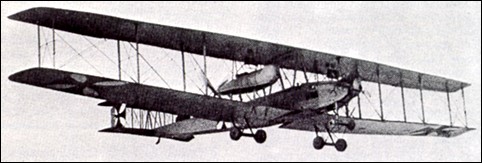
Anyway, after flying tail draggers for years and going back to my Contender 60 tricycle I had a heck of a time with landings in our grassy field. Once you get used to them tail-draggers are much easier to work with on a grassy or dirt field.
British Army Aeroplane No. 1 of 1908
Caproni CA.1 of 1914
Horten Ho I-Ho VIII of 1934 (retractable trike gear in a civilian aeroplane, glider & powered flying wing)
All trikes
01-08-2009 | 02:55 AM
#22
My Feedback: (22)
Joined: Oct 2002
Posts: 2,972
Likes: 0
Received 0 Likes
on
0 Posts
From: Houston, TX
RE: Tail draggers, why are they harder to fly
Your right.
But Nikola Tesla invented the radio in 1893, not Guglielmo Marconi.
And Antonio Meucci invented the telephone, not Alexander Grahm Bell.
I'll let you make the corrections.
But Nikola Tesla invented the radio in 1893, not Guglielmo Marconi.
And Antonio Meucci invented the telephone, not Alexander Grahm Bell.
I'll let you make the corrections.
01-08-2009 | 03:40 AM
#23

Senior Member
RE: Tail draggers, why are they harder to fly
Too many times we have read thread in forums about how its easier to fly a trike than a tail dragger, how to land a tail dragger etc. Sorry to sound blunt but this is hogwash. Both handle about the same other than planes like Cubs or on a windy day. On a calm day I find that the take off or landing for a WM SkyRaider II or something like a WM T34 Mentor is about the same. The pull to the left is more pronounced in a tail dragger but not by much.
When landing a trike I still flare, same for a tail dragger. When taking off I will rotate her after a roll out ... same for both. As for ineffective rudder on tail draggers, this is so interesting to me. I for one have never noticed that. When the tail lifts off, I am pretty sure that the air speed + prop wash has more air traveling over the V stab than when you are trying to taxi her on the ground. So how come it can be ineffective when taking off compared to taxiing?
Newbies are being fed stories about the Bogeyman, so they look under their beds each night. I think this makes things harder for them. When we fly we really do not care what our fingers are doing, we want to control the plane only. Make it do what we want. That is all we care. A tail dragger is not much different from a trike at all. I seen so many newbies who fly from trike to tail draggers without any problem and that is because no one fed them stores about the Bogeyman. Those who ask about it ... well they are psychologically challenged, is not their lack of skill but they peek under the bed.
When landing a trike I still flare, same for a tail dragger. When taking off I will rotate her after a roll out ... same for both. As for ineffective rudder on tail draggers, this is so interesting to me. I for one have never noticed that. When the tail lifts off, I am pretty sure that the air speed + prop wash has more air traveling over the V stab than when you are trying to taxi her on the ground. So how come it can be ineffective when taking off compared to taxiing?
Newbies are being fed stories about the Bogeyman, so they look under their beds each night. I think this makes things harder for them. When we fly we really do not care what our fingers are doing, we want to control the plane only. Make it do what we want. That is all we care. A tail dragger is not much different from a trike at all. I seen so many newbies who fly from trike to tail draggers without any problem and that is because no one fed them stores about the Bogeyman. Those who ask about it ... well they are psychologically challenged, is not their lack of skill but they peek under the bed.
01-08-2009 | 08:15 AM
#24

Senior Member
My Feedback: (4)
RE: Tail draggers, why are they harder to fly
But that's not really true.
I was a long-time flier and very proficient at flying the first time I ever flew a taildragger and my first takeoff with one was a heart-pounding experience.
I instinctively corrected for the pull of the torque, but I was not prepared for the early liftoff due to not being aware of the fact that I needed to control the plane's pitch down the runway (Which is automatically controlled on a trike by the nose wheel).
A combination of skill and luck was the only thing that kept that plane from being re-kitted. It's also worth noting that this was not a maiden flight where the plane might have been out of trim, it was my dad's Cub that he had been flying for years.
I was a long-time flier and very proficient at flying the first time I ever flew a taildragger and my first takeoff with one was a heart-pounding experience.
I instinctively corrected for the pull of the torque, but I was not prepared for the early liftoff due to not being aware of the fact that I needed to control the plane's pitch down the runway (Which is automatically controlled on a trike by the nose wheel).
A combination of skill and luck was the only thing that kept that plane from being re-kitted. It's also worth noting that this was not a maiden flight where the plane might have been out of trim, it was my dad's Cub that he had been flying for years.
01-08-2009 | 08:52 AM
#25
Banned
Joined: Jun 2006
Posts: 1,159
Likes: 0
Received 0 Likes
on
0 Posts
From: Lacona,
NY
RE: Tail draggers, why are they harder to fly
I started on a Tail Dragger, and personally I find it a little easier. Plus I flew full size aircraft that were Tail Draggers... so I had a good idea on how to use the Rudder and get my tail up on take offs when I first got into this hobby.
At least with my Tail Draggers I don't have to worry about keeping the nose up and coming in to fast. I've bent a few Nose Gears in my time, but I have yet to rip off or bend a Landing Gear on a Tail Dragger. I've been lucky so far... and yes, I've had my share of "Dead Sticks" in tall grass. [X(]
At least with my Tail Draggers I don't have to worry about keeping the nose up and coming in to fast. I've bent a few Nose Gears in my time, but I have yet to rip off or bend a Landing Gear on a Tail Dragger. I've been lucky so far... and yes, I've had my share of "Dead Sticks" in tall grass. [X(]

