


Installing a rudder pull-pull system


 08-26-2013 | 05:49 PM
#28

My Feedback: (3)

When the control horn attachment points are NOT the same distance apart as the driver (tiller bar or servo arm), the control surface will tend to NOT return all the way to center every time. Each time it will be off slightly, generally in the direction it was last moved. The difference between those distances is mostly what contributes to slack cables on the unloaded side. Do some significant reading in the IMACC and pattern forums and you will find pages and pages of threads about that and MOST consider it to be a problem. I did not understand that some folks seem to enjoy control surfaces hunting while most of us prefer more precise operations, but to each his or her own.
I have seen some with control surface lines that were loose enough to almost drape between the servo and the control horn and on some aircraft they seem to work, but most of the folks I fly with prefer taut cables when at neutral and we generally work hard to keep the cables reasonably tight throughout the control surface movement range. Getting the cables too tight will not correct a sag problem if you have a 1/2 inch servo arm and a 1 inch control horn. Flutter in rider scale birds is (mostly) a function of speed and the CG of the control surface being behind the hinge line (and they DO balance them after painting), but in models it generally comes from speed and soft control 'rods' which is what you have when a cable is sagging when not under load.
I prefer direct connect, but CG issues rule almost all of my installations because I really really REALLY HATE adding extra weight to get it right.
Cheers!
I have seen some with control surface lines that were loose enough to almost drape between the servo and the control horn and on some aircraft they seem to work, but most of the folks I fly with prefer taut cables when at neutral and we generally work hard to keep the cables reasonably tight throughout the control surface movement range. Getting the cables too tight will not correct a sag problem if you have a 1/2 inch servo arm and a 1 inch control horn. Flutter in rider scale birds is (mostly) a function of speed and the CG of the control surface being behind the hinge line (and they DO balance them after painting), but in models it generally comes from speed and soft control 'rods' which is what you have when a cable is sagging when not under load.
I prefer direct connect, but CG issues rule almost all of my installations because I really really REALLY HATE adding extra weight to get it right.
Cheers!
Last edited by Jim Branaum; 08-26-2013 at 05:54 PM. Reason: Forgot to finish
08-27-2013 | 03:16 AM
#29

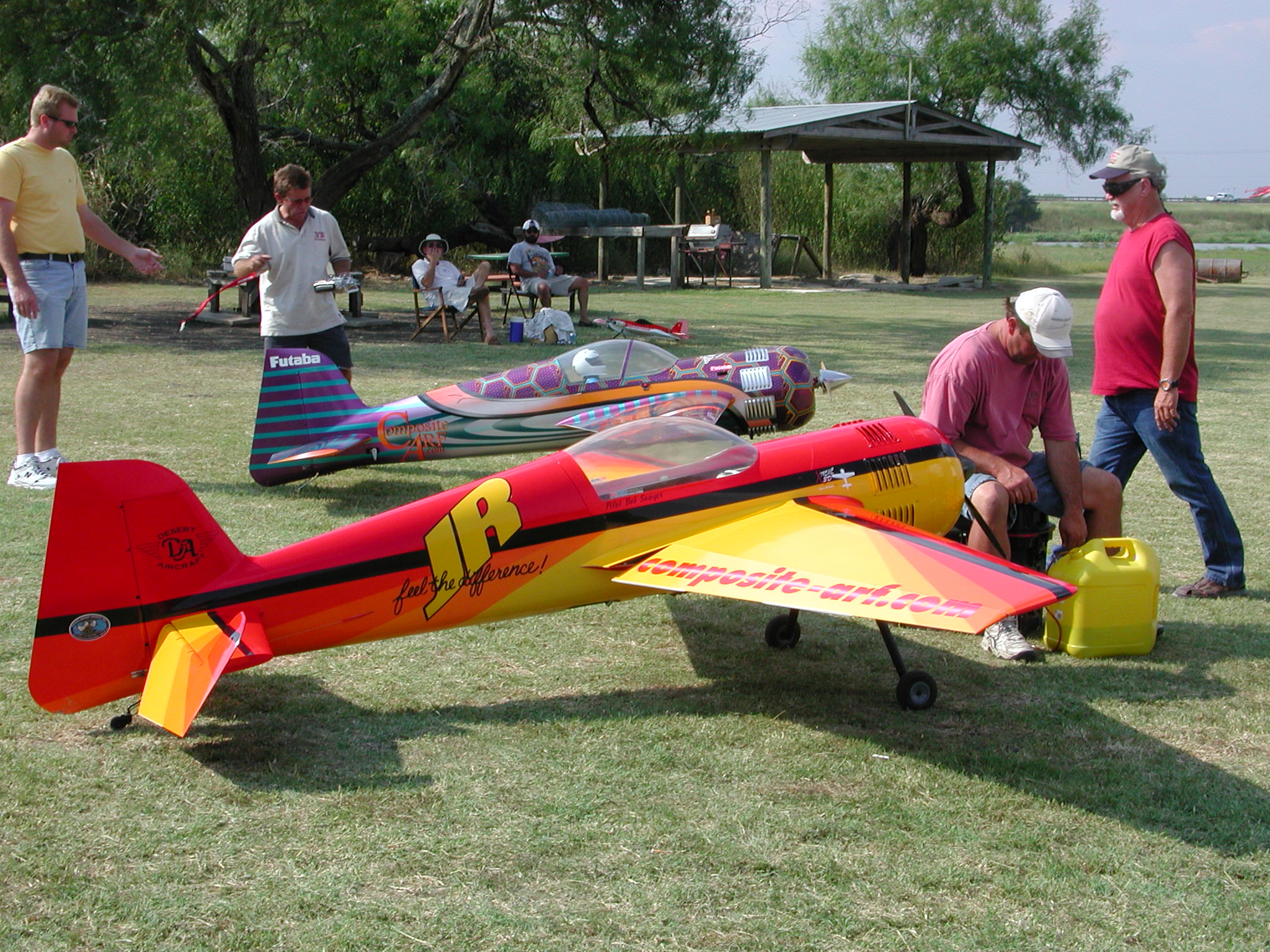
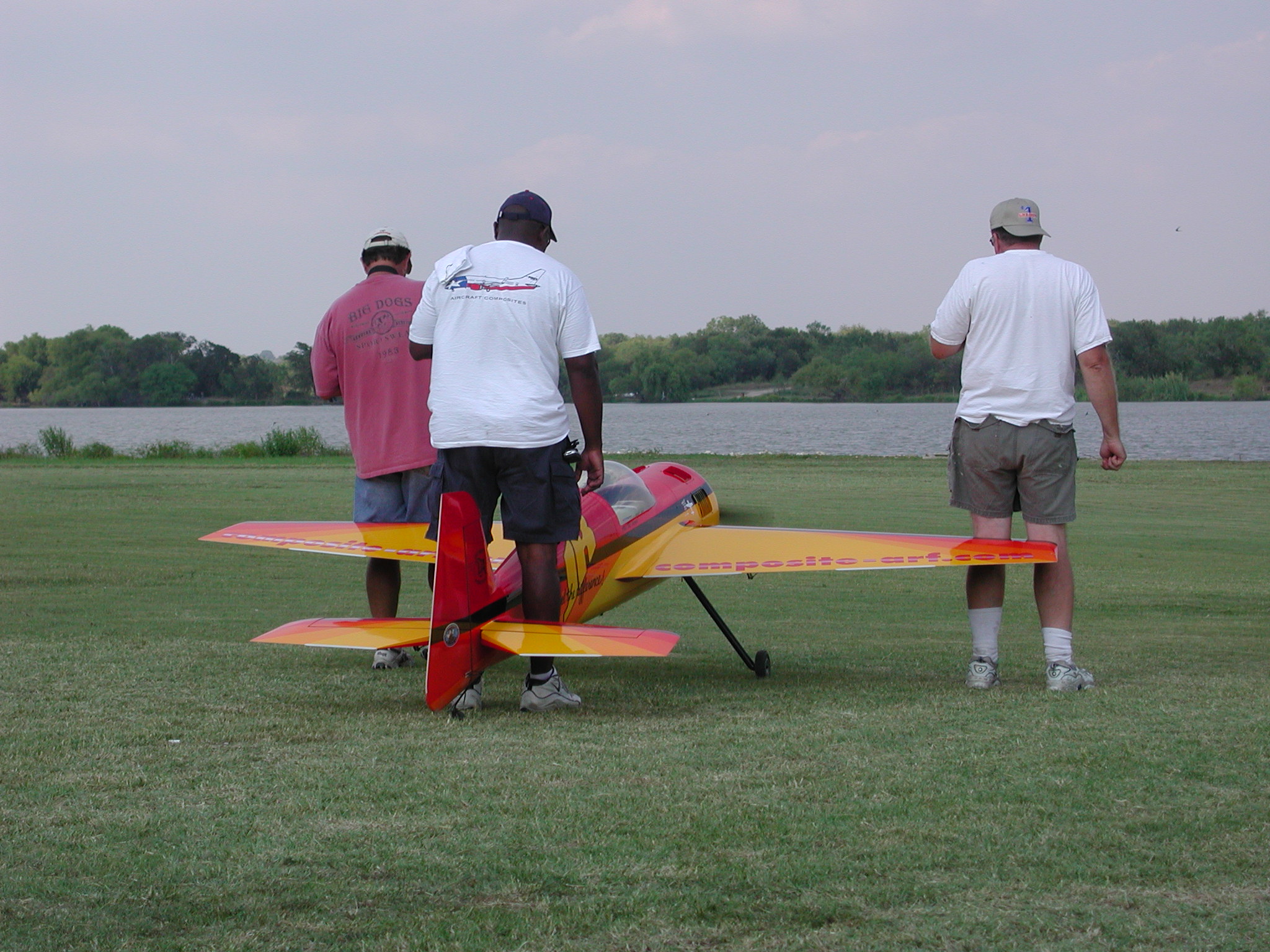
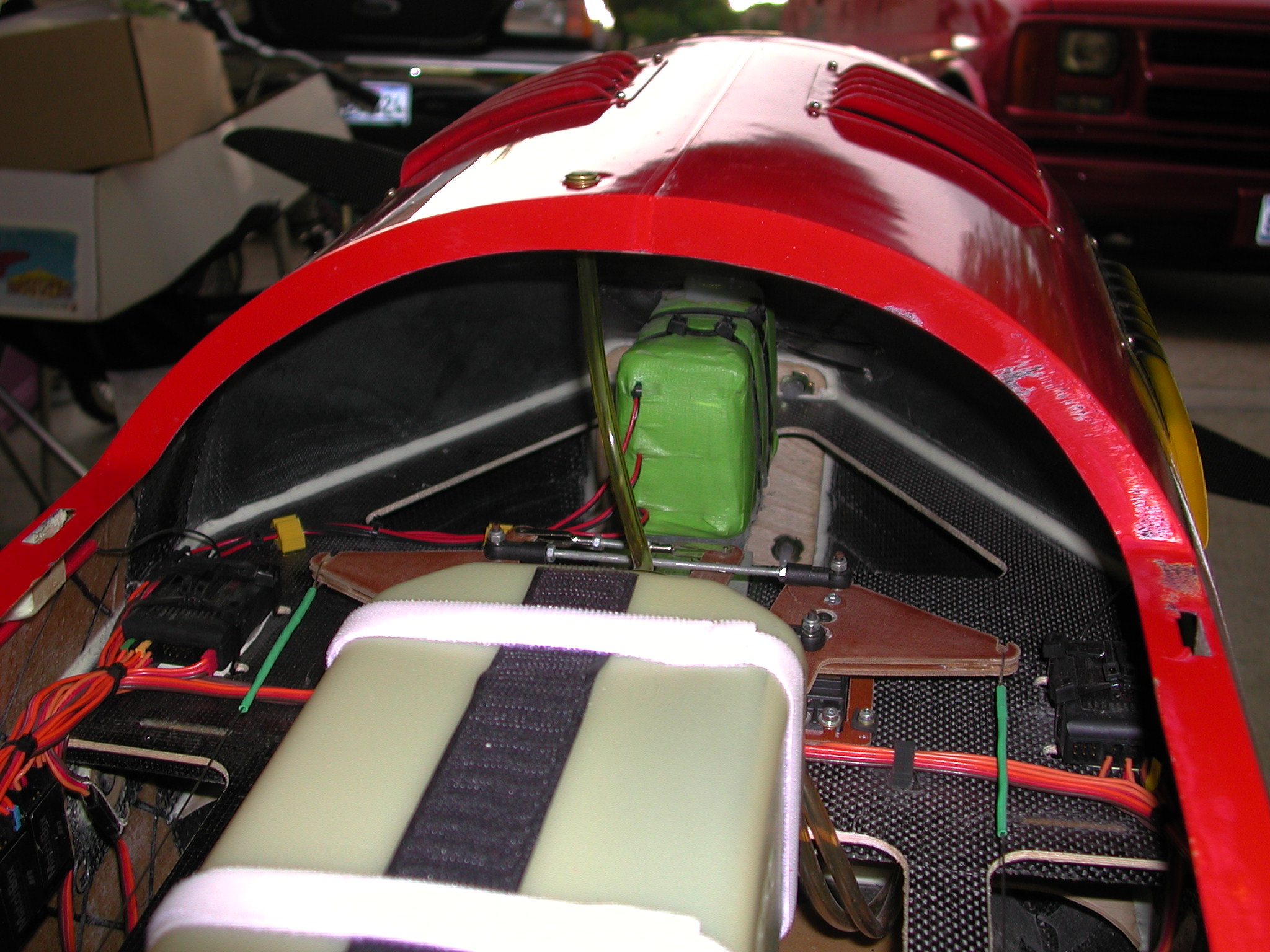
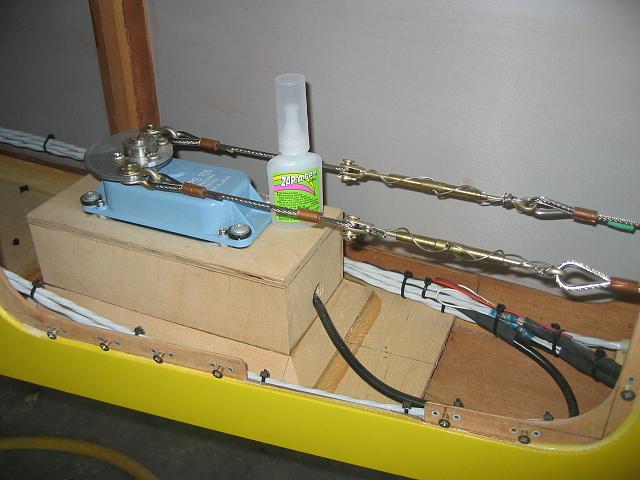
Here are a couple of pictures that date back over a decade but I think you will find them interesting anyway. There were a bunch of us fooling around at the lake on a Sunday, one of the guys got a good shot of Chip Hyde's 3.3 Yak sitting beside mine take notice that even back then Chip told Andreas; owner of Comp ARF that the pull, pull system felt mushy for competition, pulled it out and went with push pull as you can see in the picture. The 3.3 if factory setup for 4 ea servo's ganged side by side and connected by linkage and ball ends as seen in the picture. Just for fun I am including a picture of the pull, pull system I installed in the tail of my Staudacher 14 years ago, I actually needed tail weight because of the power plant. The servo pictured produced 27 LBS. of torque @12V and had a cost of almost $700.00 back then, and the servo mount box in that picture is around 10" long to give you an idea of servo size.
Bob
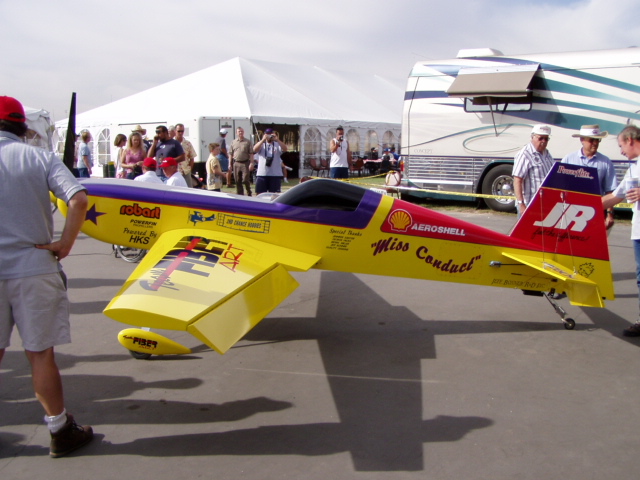
Bob
Last edited by sensei; 08-27-2013 at 03:34 AM.
08-27-2013 | 04:04 AM
#30
My Feedback: (4)
Joined: Oct 2007
Posts: 175
Likes: 0
Received 0 Likes
on
0 Posts
From: St.Petersburg, FL
I used P/P rudder and elevator for scale reasons on many small electric WWI models and thought I had it mastered, however on my 50cc Extra I find p/p to be a whole different story.
I noticed the rudder servo was twitching, (JR DS8411). Tapping the servo or bumping the rudder stick got it to stop for a while.but it soon started again. I managed to break a cable, so I will be setting it up all over again. Is the digital servo a poor choice for rudder p/p or was it just my poor setup of the cables which was causing the servo twitch?
sp
I noticed the rudder servo was twitching, (JR DS8411). Tapping the servo or bumping the rudder stick got it to stop for a while.but it soon started again. I managed to break a cable, so I will be setting it up all over again. Is the digital servo a poor choice for rudder p/p or was it just my poor setup of the cables which was causing the servo twitch?
sp
08-27-2013 | 04:20 AM
#31
Digital servos constantly seek center, especially those old 8411s, What happens on a pull, pull setup is they seek center so fast that the rudder bounces back and forth never finding center until you grab it physically stopping it or bumping the stick or.... The good news is when there is a flight load on the rudder this condition goes away, it only happens in the unloaded state.
Bob
Bob
 08-27-2013 | 06:10 AM
#33
08-27-2013 | 06:43 AM
#34

I have found the combination of SWB control arms, tensioners and the heavy duty Dubro (0.91 and up) on my large planes 25% and up to really be a great combination. The SWB tensioning system really works nicely, is easy to install and would and do recommend it to anyone who asks. It just works out for me and my assembly/building and flying abilities.


