


Covering issues
 12-11-2020 | 01:28 PM
#1
 Covering issues
I am building a 1/4 scale Sig Space Walker and covered it with Super Coverite. This is the first time I have used a fabric covering but had accumulated 4 rolls of Super Coverite. One roll of yellow, one roll of tan, and two rolls of white. Because of having three different colors I decided to use white primer paint so it would start with one color before I put on the color coats. Now every imperfection really shows up and I am not sure how to proceed. Every place the covering overlaps needs some attention. I know that I need to carefully sand the primer with special care taken at the wing ribs and anywhere there is a junction between the wood and fabric.
I have some 500, 600, 1,000, and 1,200 and some 400 extra fine Aluminum Oxide sanding film. I also have some different colors of Aluminum Oxide sanding films but don’t know what grit they are. I can always go to the auto supply store and pick up some wet or dry sandpaper. Can wet sandpaper be used on Coverite? Can I sand the edges of the Coverite to smooth out the edges? Should I use a filler at these edges like lite weight spackling, Elmers wood filler, Bondo glazing putty or should I just say I really screwed that up and paint it and go flying.
None of the members of my club use fabric covering and most don’t even build kits anymore. I didn’t have any luck finding anything on You Tube or in the forums but my searching skills aren’t very good either. I received my delivery from Balsa USA Today of a Smoothie XL and would like to cover it with one of the fabric covering but haven’t done much research yet to see which fabric is the easiest to work with.
How should I proceed?
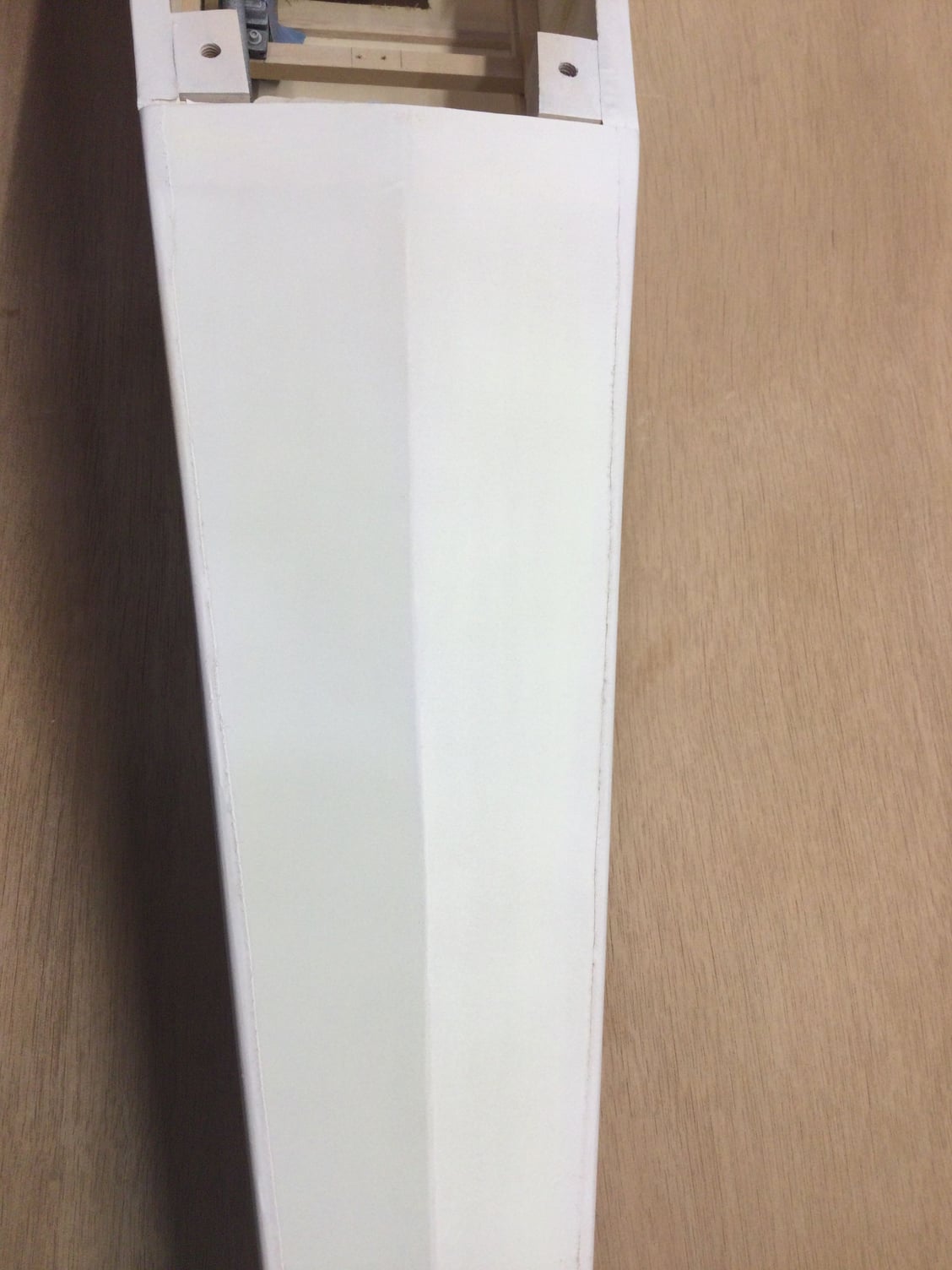
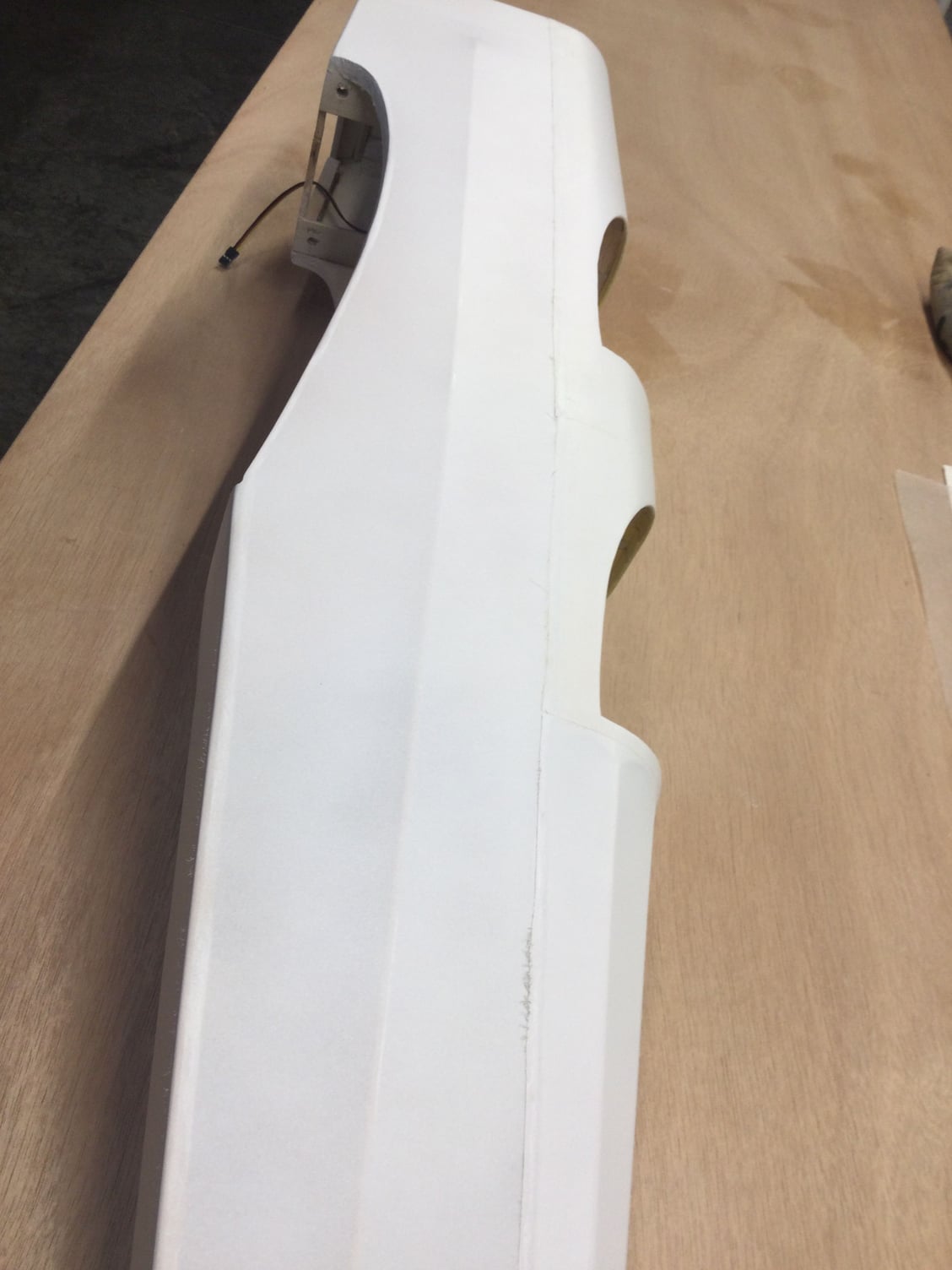
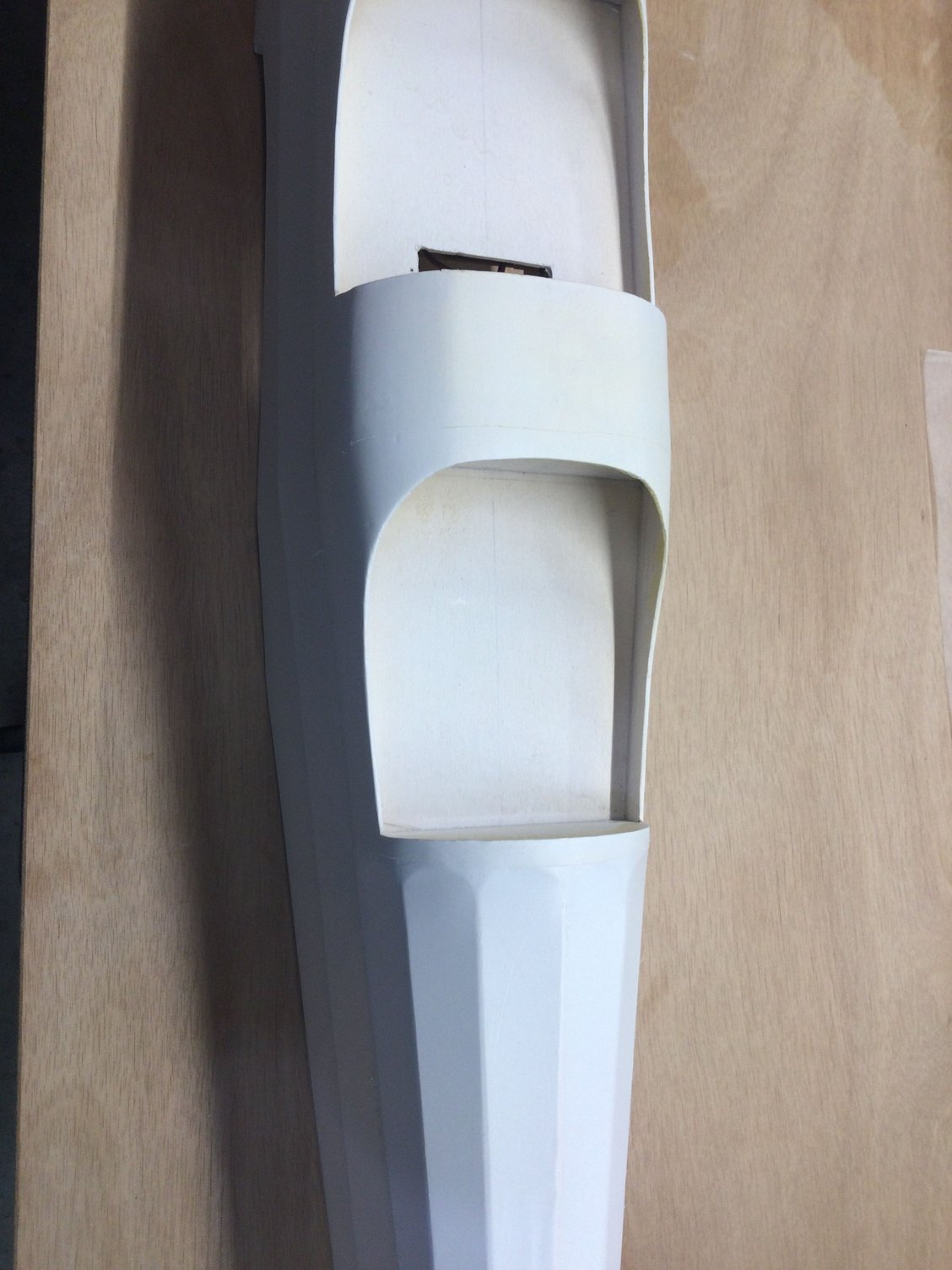
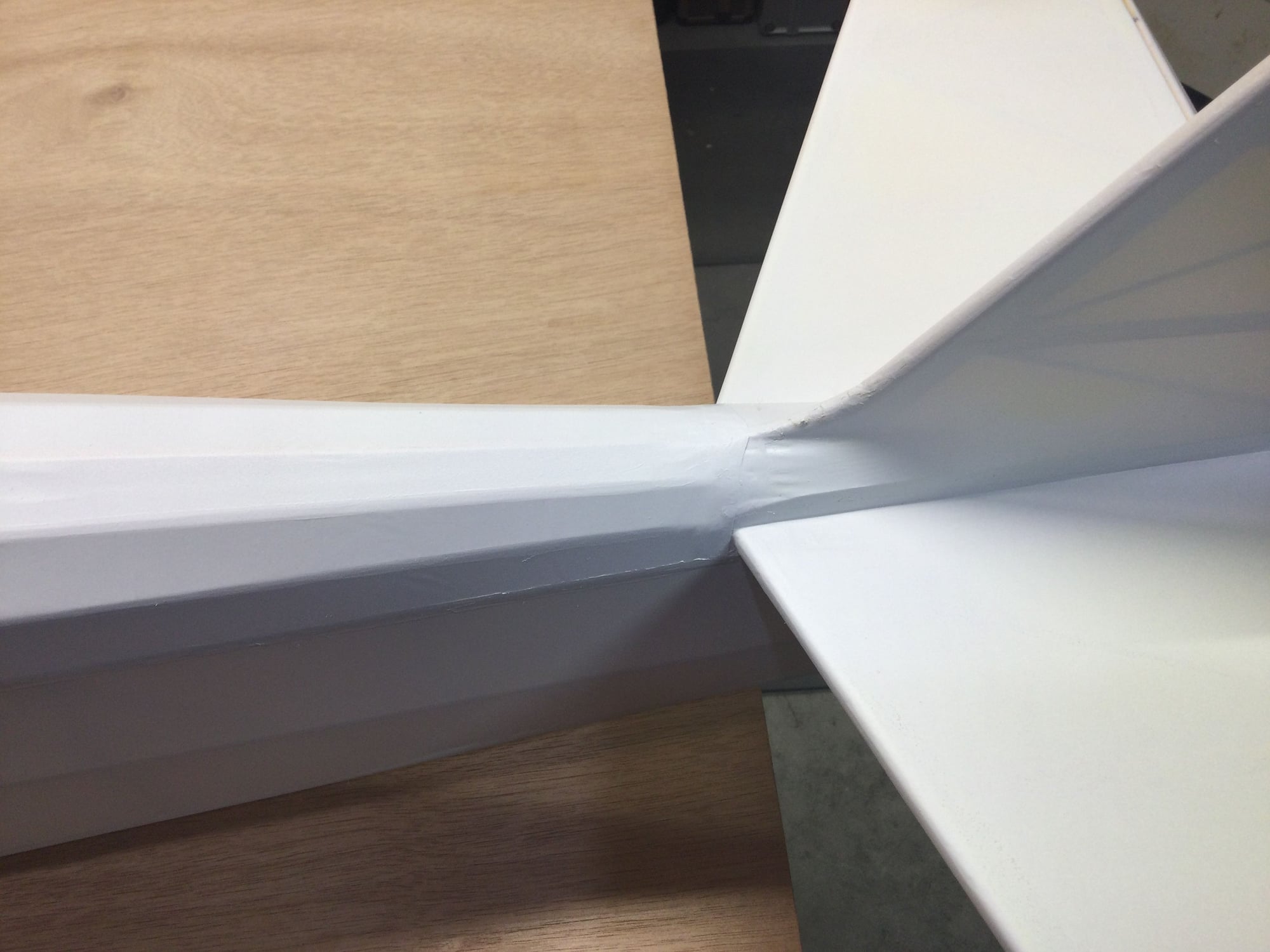
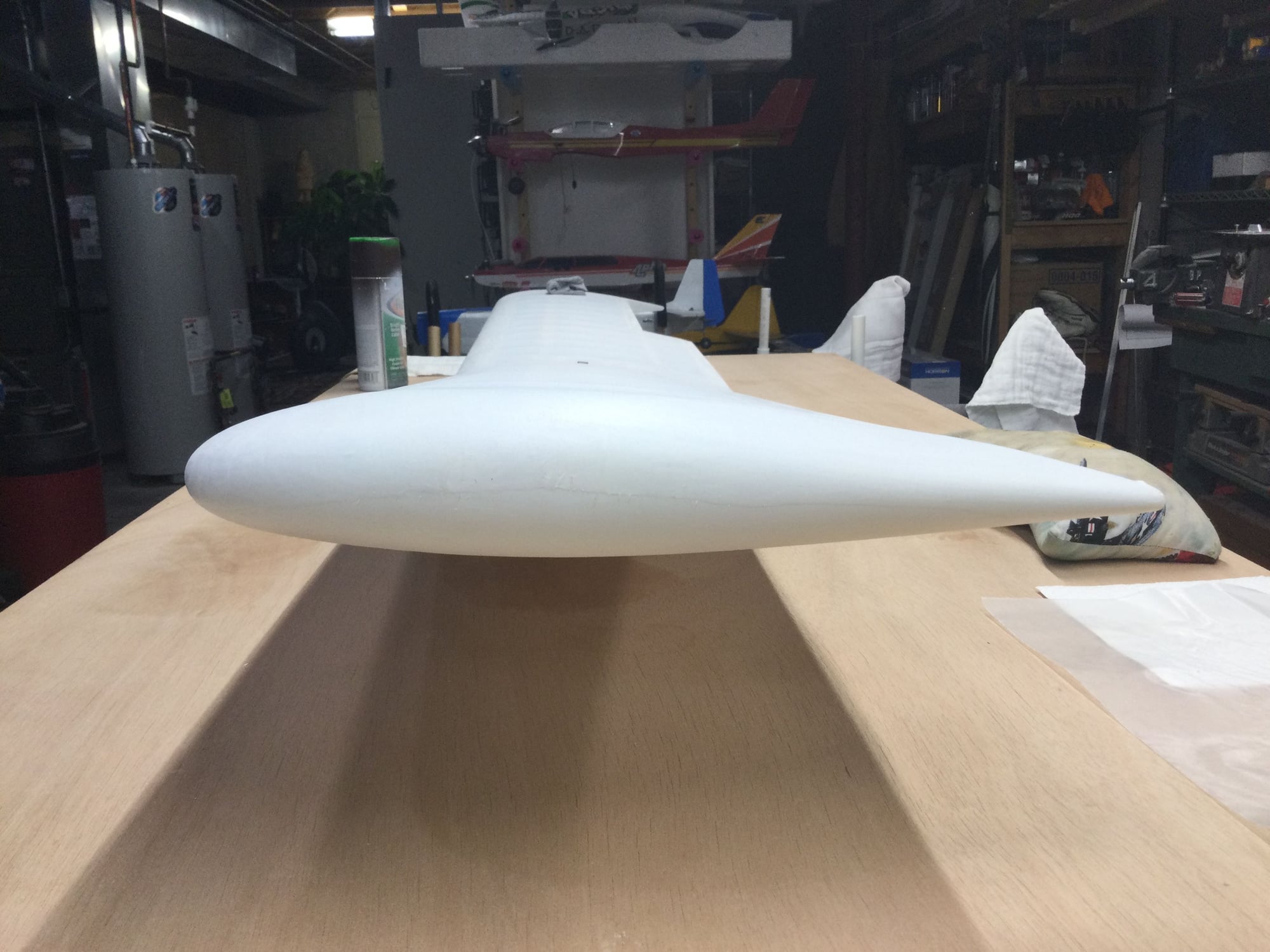
I have some 500, 600, 1,000, and 1,200 and some 400 extra fine Aluminum Oxide sanding film. I also have some different colors of Aluminum Oxide sanding films but don’t know what grit they are. I can always go to the auto supply store and pick up some wet or dry sandpaper. Can wet sandpaper be used on Coverite? Can I sand the edges of the Coverite to smooth out the edges? Should I use a filler at these edges like lite weight spackling, Elmers wood filler, Bondo glazing putty or should I just say I really screwed that up and paint it and go flying.
None of the members of my club use fabric covering and most don’t even build kits anymore. I didn’t have any luck finding anything on You Tube or in the forums but my searching skills aren’t very good either. I received my delivery from Balsa USA Today of a Smoothie XL and would like to cover it with one of the fabric covering but haven’t done much research yet to see which fabric is the easiest to work with.
How should I proceed?
 12-16-2020 | 08:55 AM
#2


My Feedback: (4)
don't worry
Congrats on building your Spacewalker, not too many kit builders left anymore. I wouldn't worry to much about the seams as a full scale fabric covered plane also has very visible seams, especially on areas reinforced with pinking tape, for example. Careful sanding the covering as your likely to go thru the primer and start raising the fibers which will then need to be pasted back down with some sort of adhesive. For what it's worth, I've built many kits and always left the seams alone. My only suggestion (for the next project) is to plan your covering layout in a manner that places the seams in less visible places (as you've already done on the fuse bottom).
If you're dead-set on touching up the seams, I think light-weight spackle is the way to go. Apply very little and use an old credit card to scrape most of it way only leaving enuf to cover the step on the seam. Then VERY carefully sand with 400 grit to feather it into the covering. As there is a very good chance you'll sand thru the primer (not good), perhaps you want to practice on a test piece?? Anyway, good luck finishing up your build and remember that if someone can see the seems on the plane, they are probably standing to close!!
If you're dead-set on touching up the seams, I think light-weight spackle is the way to go. Apply very little and use an old credit card to scrape most of it way only leaving enuf to cover the step on the seam. Then VERY carefully sand with 400 grit to feather it into the covering. As there is a very good chance you'll sand thru the primer (not good), perhaps you want to practice on a test piece?? Anyway, good luck finishing up your build and remember that if someone can see the seems on the plane, they are probably standing to close!!
The following users liked this post:
R/C Pilot 304 (12-16-2020)
12-16-2020 | 09:28 AM
#3
I am going to try your suggestion. I have a test piece that I have been using to test different sand papers from 400 up to 1200. I have also experimented with different fillers and am leaning toward light weight spackling thinned with just a few drops of water.
12-16-2020 | 10:44 AM
#4
Spackle will probably be fine on hard sheeted surfaces, but will crack if used on an open area. Nitrate dope with some baby powder mixed is a classic filler, but it will have to be sanded after. Water based polyurethane works decent too.
DO NOT sand fabric over an open area if there is any way to avoid it. It doesn't take much pressure to stretch it and create a sag, and it's really easy to cut through it at the wing rib. Very light pressure to remove a run can work, but it's a pain.
DO NOT sand fabric over an open area if there is any way to avoid it. It doesn't take much pressure to stretch it and create a sag, and it's really easy to cut through it at the wing rib. Very light pressure to remove a run can work, but it's a pain.
12-16-2020 | 10:51 AM
#5
My Feedback: (4)
Spackle will probably be fine on hard sheeted surfaces, but will crack if used on an open area. Nitrate dope with some baby powder mixed is a classic filler, but it will have to be sanded after. Water based polyurethane works decent too.
DO NOT sand fabric over an open area if there is any way to avoid it. It doesn't take much pressure to stretch it and create a sag, and it's really easy to cut through it at the wing rib. Very light pressure to remove a run can work, but it's a pain.
DO NOT sand fabric over an open area if there is any way to avoid it. It doesn't take much pressure to stretch it and create a sag, and it's really easy to cut through it at the wing rib. Very light pressure to remove a run can work, but it's a pain.
12-17-2020 | 08:47 AM
#7
Thanks for the responses. I had not thought about the spackling cracking over the open bays. I will have to make a trip to the hobby shop and pick up some nitrate dope if they have any. There are so few people building he doesn’t carry much in the way of building supplies. He does have a nice selection of ARF’s, Cars, and car parts.
The primer I used is Rust-Oleum 2X white primer and plan on using the same brand for my color coats.
The primer I used is Rust-Oleum 2X white primer and plan on using the same brand for my color coats.
12-17-2020 | 12:02 PM
#8
My Feedback: (4)
Thanks for the responses. I had not thought about the spackling cracking over the open bays. I will have to make a trip to the hobby shop and pick up some nitrate dope if they have any. There are so few people building he doesn’t carry much in the way of building supplies. He does have a nice selection of ARF’s, Cars, and car parts.
The primer I used is Rust-Oleum 2X white primer and plan on using the same brand for my color coats.
The primer I used is Rust-Oleum 2X white primer and plan on using the same brand for my color coats.
12-17-2020 | 01:43 PM
#9
Ok I will do that. My wife went to the grocery store and was going to pick up some baby powder for me but they didn’t have any so I will check at the drug store. I did find a 1 oz bottle of clear dope on my shelf but it is pretty old. Probably from the mid to late 70’s with a 75 cent price tag on it. I think it’s going to cost more now. I did try to mix up some baking soda with the dope but I wouldn’t say it was a success.
steve
steve
12-22-2020 | 07:32 AM
#10
A shot of acetone or MEK will probably thin that old dope just fine.
However, I'd be surprised to see nitrate go over the rustoleum primer successfully. There aren't many non epoxy coatings that will stand up to the solvents used in nitrate dope. Since you've primed it with that spray can primer, you're pretty much committed to staying with that type of paint until you're ready to clear coat. You will probably just have to accept having some of the fabric weave show in your final finish. That's not so bad- it has its own charm IMHO. You can get rid of the seams with glazing putty and sand them away.
Next time you do a fabric job, you'll know more and can plan for the results you want.
However, I'd be surprised to see nitrate go over the rustoleum primer successfully. There aren't many non epoxy coatings that will stand up to the solvents used in nitrate dope. Since you've primed it with that spray can primer, you're pretty much committed to staying with that type of paint until you're ready to clear coat. You will probably just have to accept having some of the fabric weave show in your final finish. That's not so bad- it has its own charm IMHO. You can get rid of the seams with glazing putty and sand them away.
Next time you do a fabric job, you'll know more and can plan for the results you want.
12-22-2020 | 12:51 PM
#11
This has definitely been a learning experience. The nitrate dope with baby powder is a no go over the Rustoleum but it sure does a nice job over bare wood and I was able to get the right consistency to make a good looking fillet on a practice piece. I contacted an old friend of mine who covered a Cub for me many years ago before he got out of the hobby. We will get together after Christmas and he can probably give me some hints on minimizing my mistakes or at least how to do a better job next time.
I wish I had asked for help earlier on this forum and maybe I wouldn’t have made some of the mistakes that I have made. You guys have helped a lot and kept me from making more screwups. I did sand half of the wing before I read not to sand open bays because I thought i was suppose to sand lightly after priming. Luckily I didn’t cut thru the fabric but it did sag a little. Can I reheat it to tighten it back up?
I put the Space Walker up for a couple of weeks and am recovering an old Super Kaos. The wing only needed a small patch and the ailerons needed recovered but the fuselage was a total strip down. I will be using monokote to match the wing covering.
I wish I had asked for help earlier on this forum and maybe I wouldn’t have made some of the mistakes that I have made. You guys have helped a lot and kept me from making more screwups. I did sand half of the wing before I read not to sand open bays because I thought i was suppose to sand lightly after priming. Luckily I didn’t cut thru the fabric but it did sag a little. Can I reheat it to tighten it back up?
I put the Space Walker up for a couple of weeks and am recovering an old Super Kaos. The wing only needed a small patch and the ailerons needed recovered but the fuselage was a total strip down. I will be using monokote to match the wing covering.
12-22-2020 | 01:10 PM
#12
My Feedback: (4)
Smilan, I'm glad you found out about the non-compatibility of nitrate dope before applying it over the primed surfaces!! Having used iron on films extensively, I would suggest you give Oracover (aka Ultracote) a try instead of Monokote, as it is much much easier to use, especially around compound curves that'll be found on the fuselage. Monokote does still have its diehard fans, but in my experience, its only advantage over the easier to apply Oracove, is that it produces a glossier finish.
12-24-2020 | 05:05 PM
#13
Monokote holds up a lot better too, at least in my experience. Every Ultracote plane I've done has had lifting seams after only a few flights, and I'm pretty conscientious to clean and seal them down. Monokote has stayed on a lot better for me.
To fix your seams, if you used a sandable primer you could do a few layers of building up and sanding down. Switching to the same brand's high build primer will make the job go quicker.
To fix your seams, if you used a sandable primer you could do a few layers of building up and sanding down. Switching to the same brand's high build primer will make the job go quicker.


