


Phaeton 90

 02-24-2023 | 06:50 PM
#2
Senior Member
Joined: Feb 2023
Posts: 327
Likes: 0
Received 62 Likes
on
56 Posts
From: Corryton, TN. Fly at Lucky Lane RC RC Club
 Phaeton 90 aileron setup
I built my Phaeton 90 in 1988. I installed the ailerons only on the bottom wing and used a single servo driving torque rods for the ailerons according to the plans. This layout has worked well for 35 years although the torque rod installation does leave a small gap between the wing and fuselage where caster oil can get in. After 35 years of being soaked in castor oil from the Enya R120 4C engine, the Black Baron film finally pealed off the fuselage, so my Phaeton 90 is currently down for recovering the fuselage and probably the wings too. When I recover the wings, I think I will transition to two smaller servos... one for each aileron mounted at mid span of each aileron and do away with the torque rods. This should solve the oil issue
Even with lots of aileron throw, the roll rate is slow... about 2.5 seconds to complete an aileron roll, about like a Sig Kadet Senior. If a faster roll rate is desired, then either larger ailerons or upper wing ailerons would be needed. When built per the plans, it is a very docile flyer with no bad habits. It is incredibly easy to land, as witnessed by the fact that the original Dyna-Thrust 16x6 composite prop I installed in 1988 is still in service on my Phaeton 90. If I were building the Phaeton 90 again, I would switch from glow to gas. A 20cc gasoline engine like a DLE 20RA or an RCGF Stinger 20RE would be perfect. The total weight of my Stinger 20RE is within two ounces of being the same as the Enya R120-4C. A 20 cc engine will provide about 14 pounds of thrust which would pull a 12 pound Phaeton straight up indefinitely, whereas the 120-4C glow engine will only go vertical for 150 to 200 feet before running out of steam. Once properly leaned, the gassers won't slober anywhere near as much oil residue on the airframe and a 12 ounce gas tank will out fly a 16 ounce glow fuel tank.
Hope you enjoy your Phaeton 90 as much as I have enjoyed mine.
David
Even with lots of aileron throw, the roll rate is slow... about 2.5 seconds to complete an aileron roll, about like a Sig Kadet Senior. If a faster roll rate is desired, then either larger ailerons or upper wing ailerons would be needed. When built per the plans, it is a very docile flyer with no bad habits. It is incredibly easy to land, as witnessed by the fact that the original Dyna-Thrust 16x6 composite prop I installed in 1988 is still in service on my Phaeton 90. If I were building the Phaeton 90 again, I would switch from glow to gas. A 20cc gasoline engine like a DLE 20RA or an RCGF Stinger 20RE would be perfect. The total weight of my Stinger 20RE is within two ounces of being the same as the Enya R120-4C. A 20 cc engine will provide about 14 pounds of thrust which would pull a 12 pound Phaeton straight up indefinitely, whereas the 120-4C glow engine will only go vertical for 150 to 200 feet before running out of steam. Once properly leaned, the gassers won't slober anywhere near as much oil residue on the airframe and a 12 ounce gas tank will out fly a 16 ounce glow fuel tank.
Hope you enjoy your Phaeton 90 as much as I have enjoyed mine.
David
 04-16-2023 | 05:57 AM
#4

My Feedback: (1)
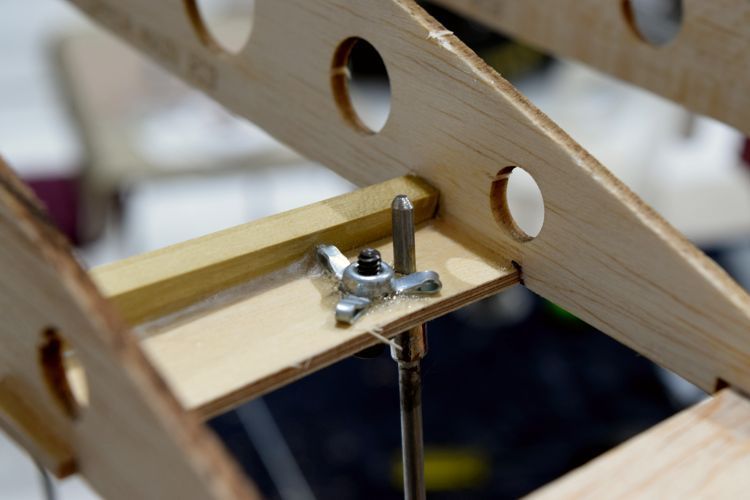
McMasterCarr #90186A311 has some collapsible nuts which I like. With old Phaetons, once in a while a blind nut would fall in the wing. That ended your flying day and required opening the wing to repair. These don't go anywhere.
Last edited by gow589; 04-16-2023 at 06:15 AM.
04-16-2023 | 06:26 AM
#6
My Feedback: (1)
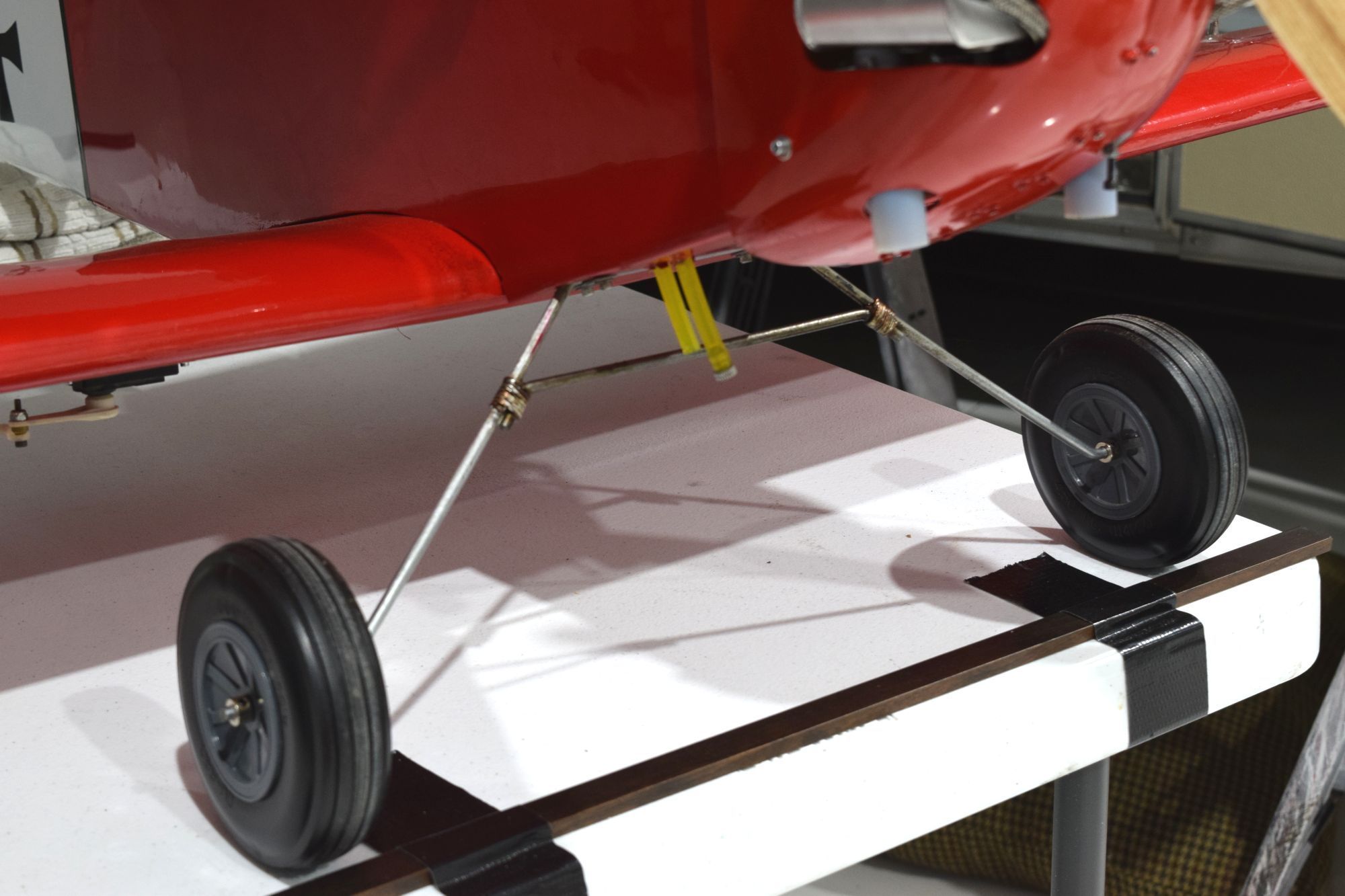
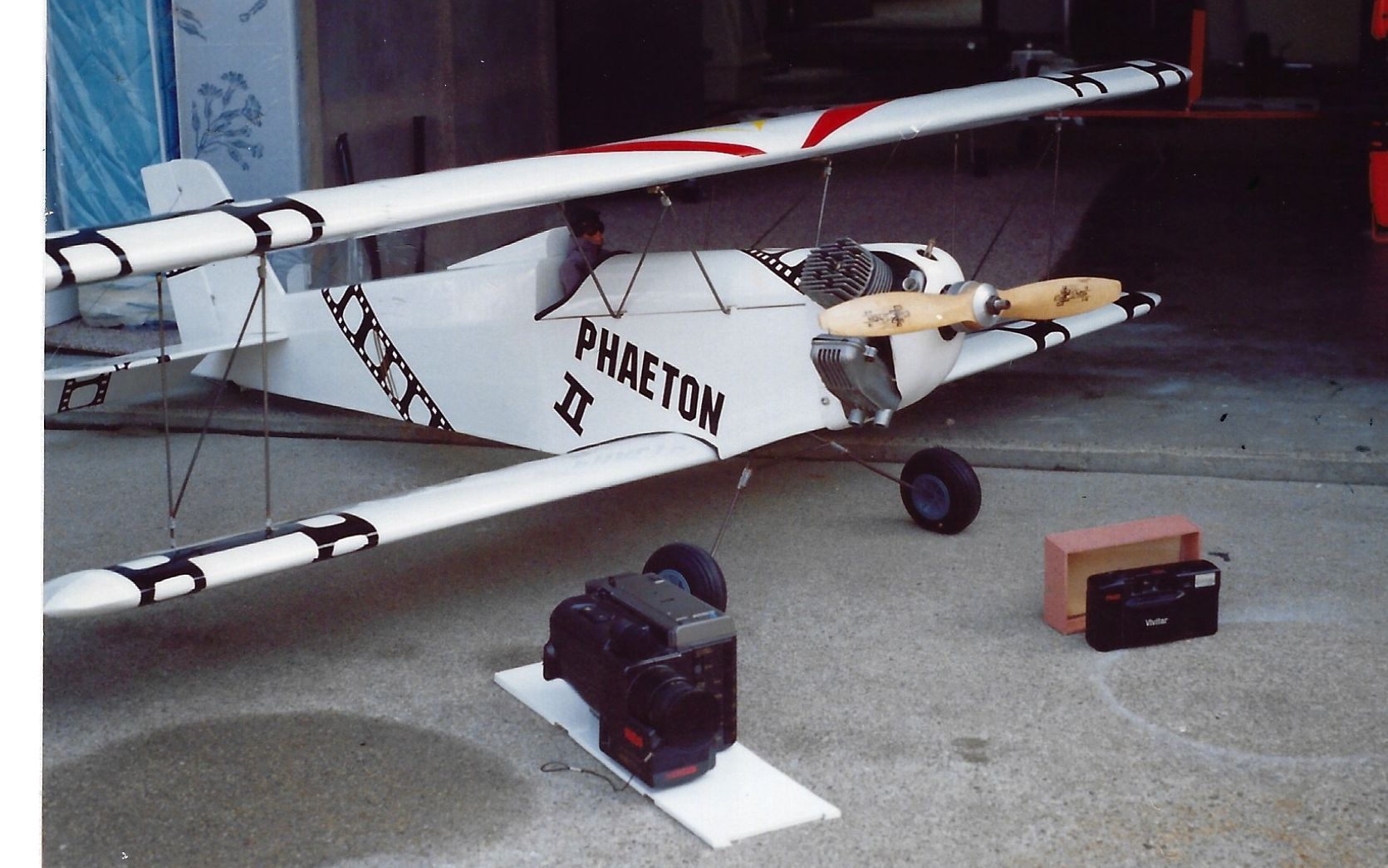
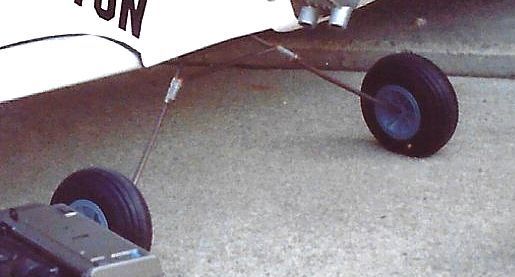
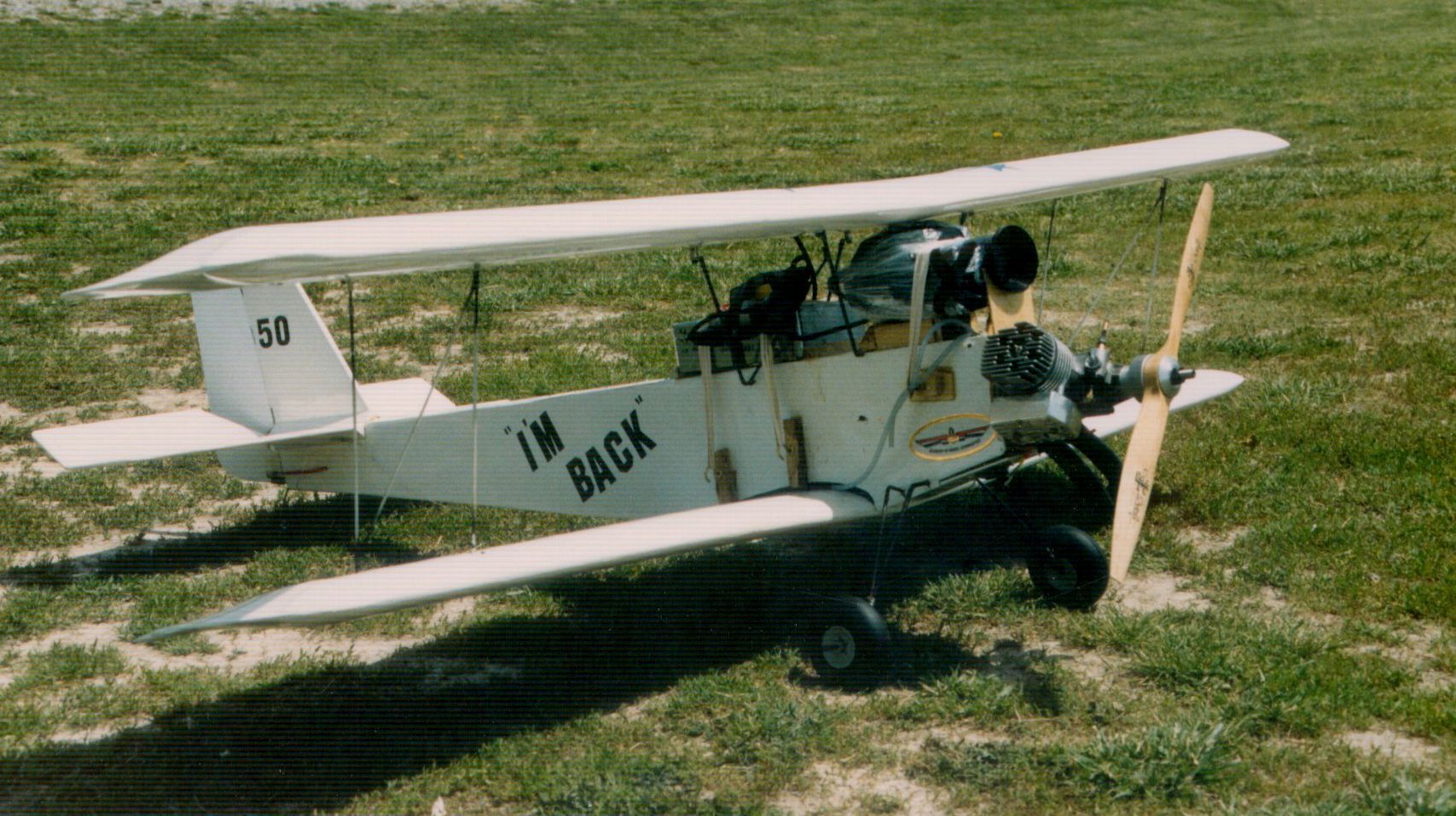
Notice the extra bar on the landing gear: I did the same thing with my Phaeton 90's back in the 1980's. Also, I went with the 4.5" tire not the 4" tire. I think it's a better fit. The white plane was one from the 1980's. Back then I also "Rebuilt one" to carry 5.5lbs of video transmission equipment. Notice the dual strut gear for that (the last photo).
04-16-2023 | 06:29 AM
#7
I built my Phaeton 90 in 1988. I installed the ailerons only on the bottom wing and used a single servo driving torque rods for the ailerons according to the plans. This layout has worked well for 35 years although the torque rod installation does leave a small gap between the wing and fuselage where caster oil can get in. After 35 years of being soaked in castor oil from the Enya R120 4C engine, the Black Baron film finally pealed off the fuselage, so my Phaeton 90 is currently down for recovering the fuselage and probably the wings too. When I recover the wings, I think I will transition to two smaller servos... one for each aileron mounted at mid span of each aileron and do away with the torque rods. This should solve the oil issue
Even with lots of aileron throw, the roll rate is slow... about 2.5 seconds to complete an aileron roll, about like a Sig Kadet Senior. If a faster roll rate is desired, then either larger ailerons or upper wing ailerons would be needed. When built per the plans, it is a very docile flyer with no bad habits. It is incredibly easy to land, as witnessed by the fact that the original Dyna-Thrust 16x6 composite prop I installed in 1988 is still in service on my Phaeton 90. If I were building the Phaeton 90 again, I would switch from glow to gas. A 20cc gasoline engine like a DLE 20RA or an RCGF Stinger 20RE would be perfect. The total weight of my Stinger 20RE is within two ounces of being the same as the Enya R120-4C. A 20 cc engine will provide about 14 pounds of thrust which would pull a 12 pound Phaeton straight up indefinitely, whereas the 120-4C glow engine will only go vertical for 150 to 200 feet before running out of steam. Once properly leaned, the gassers won't slober anywhere near as much oil residue on the airframe and a 12 ounce gas tank will out fly a 16 ounce glow fuel tank.
Hope you enjoy your Phaeton 90 as much as I have enjoyed mine.
David
Even with lots of aileron throw, the roll rate is slow... about 2.5 seconds to complete an aileron roll, about like a Sig Kadet Senior. If a faster roll rate is desired, then either larger ailerons or upper wing ailerons would be needed. When built per the plans, it is a very docile flyer with no bad habits. It is incredibly easy to land, as witnessed by the fact that the original Dyna-Thrust 16x6 composite prop I installed in 1988 is still in service on my Phaeton 90. If I were building the Phaeton 90 again, I would switch from glow to gas. A 20cc gasoline engine like a DLE 20RA or an RCGF Stinger 20RE would be perfect. The total weight of my Stinger 20RE is within two ounces of being the same as the Enya R120-4C. A 20 cc engine will provide about 14 pounds of thrust which would pull a 12 pound Phaeton straight up indefinitely, whereas the 120-4C glow engine will only go vertical for 150 to 200 feet before running out of steam. Once properly leaned, the gassers won't slober anywhere near as much oil residue on the airframe and a 12 ounce gas tank will out fly a 16 ounce glow fuel tank.
Hope you enjoy your Phaeton 90 as much as I have enjoyed mine.
David
04-16-2023 | 09:06 AM
#8
Senior Member
Joined: Feb 2023
Posts: 327
Likes: 0
Received 62 Likes
on
56 Posts
From: Corryton, TN. Fly at Lucky Lane RC RC Club
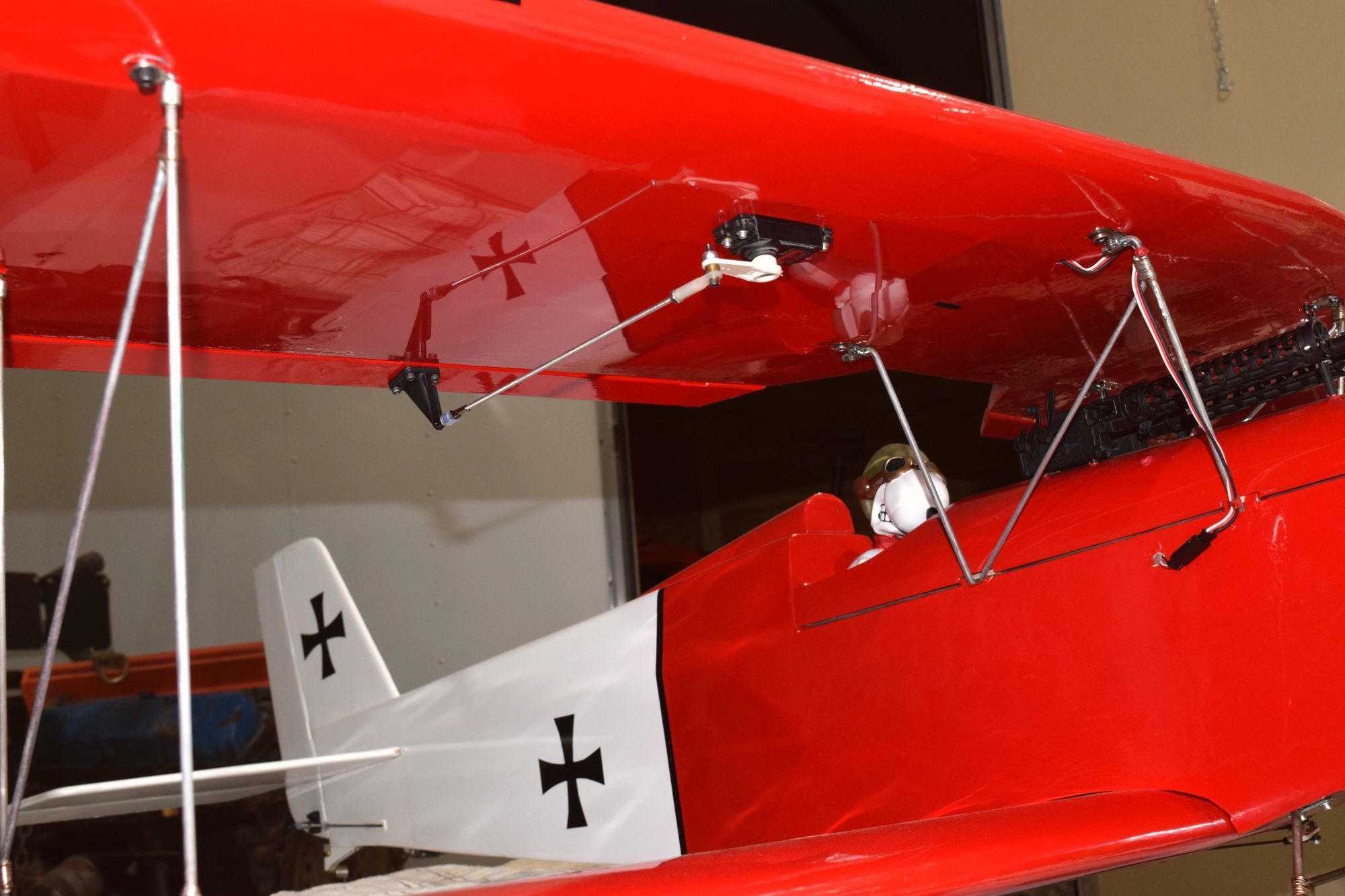
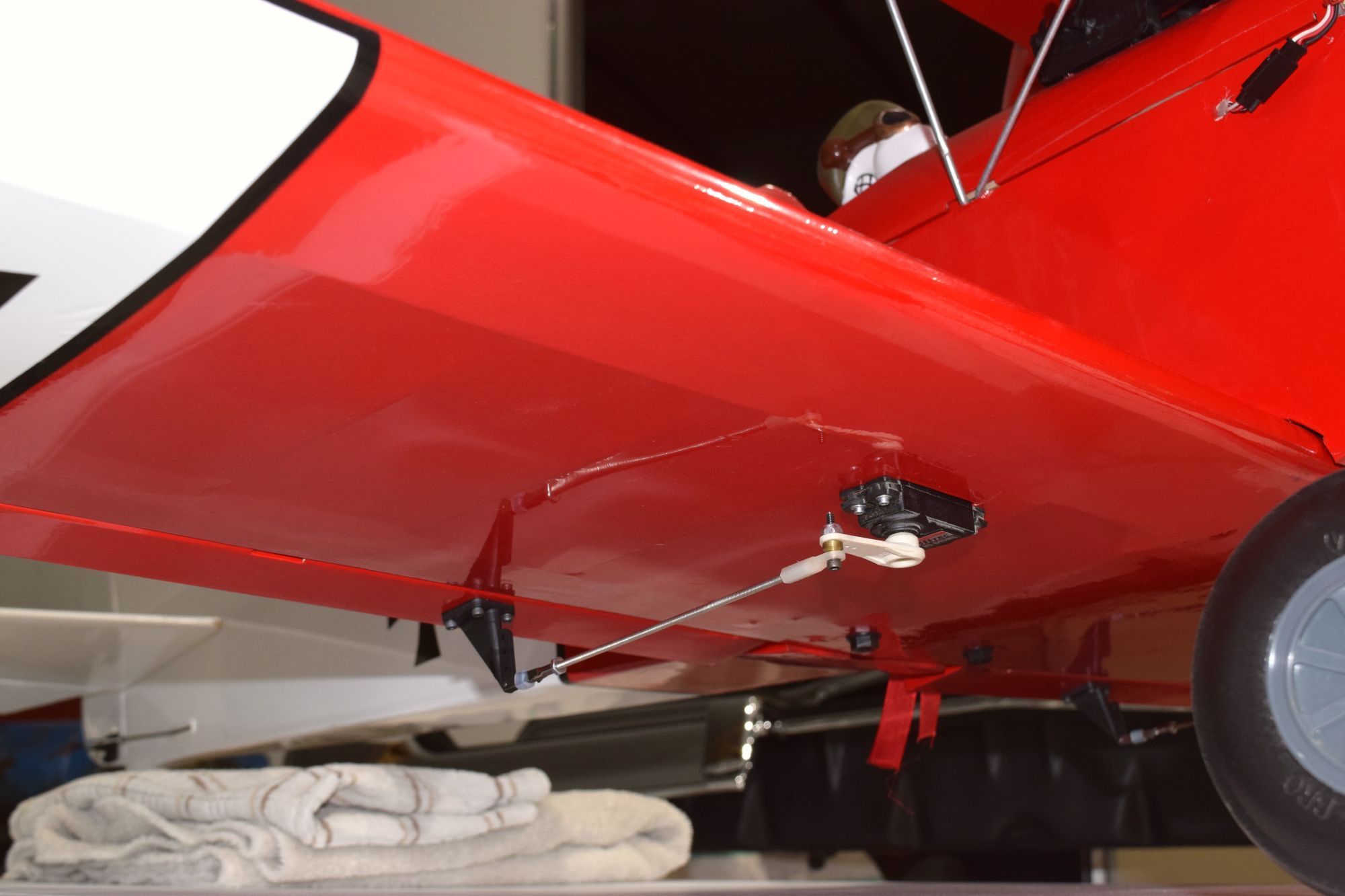
GOW589, How effective is the 4-aileron setup? My stock 2 aileron setup provides a 2.5 second roll rate. I am considering going to 4 ailerons when the wings get recovered and was wondering if the trouble to install more servos in the top wing was worth the effort. What is your roll rate?
04-16-2023 | 09:21 AM
#9
My Feedback: (1)
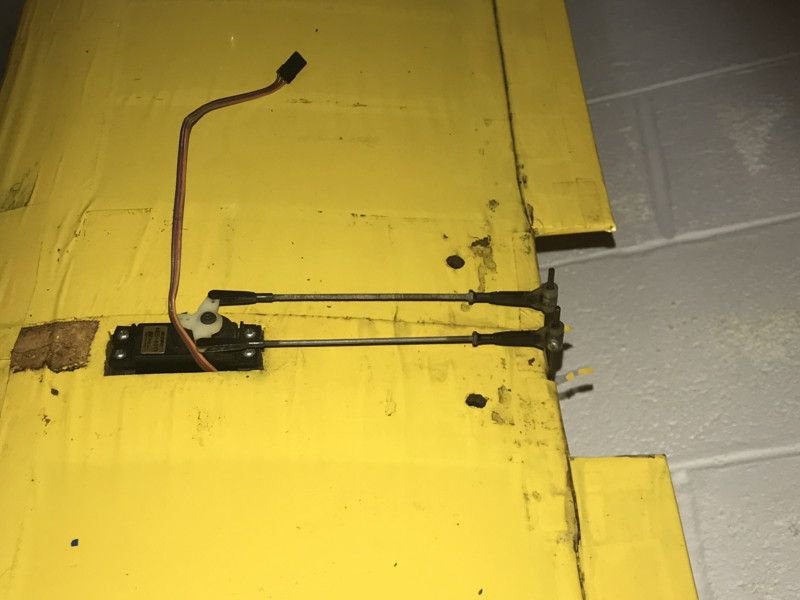
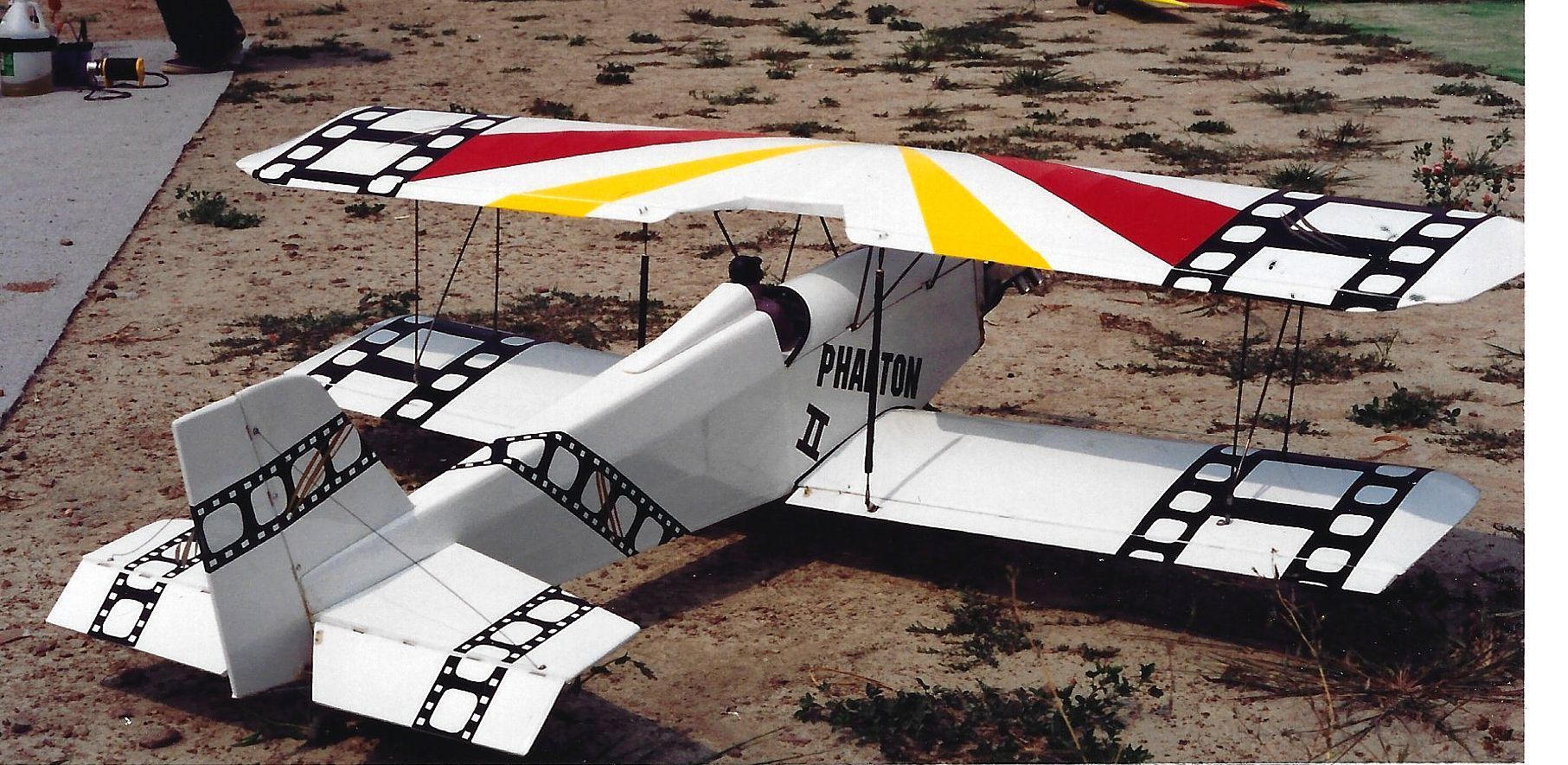
Just a guess, less than 1 sec roll rate. It's quite good. I can make low pass, pull up and do 2-rolls before stall turn. Here is another set up option option for combining the ailerons that I did n the 80's:
GOW589, How effective is the 4-aileron setup? My stock 2 aileron setup provides a 2.5 second roll rate. I am considering going to 4 ailerons when the wings get recovered and was wondering if the trouble to install more servos in the top wing was worth the effort. What is your roll rate?
04-16-2023 | 09:46 AM
#11
My Feedback: (1)
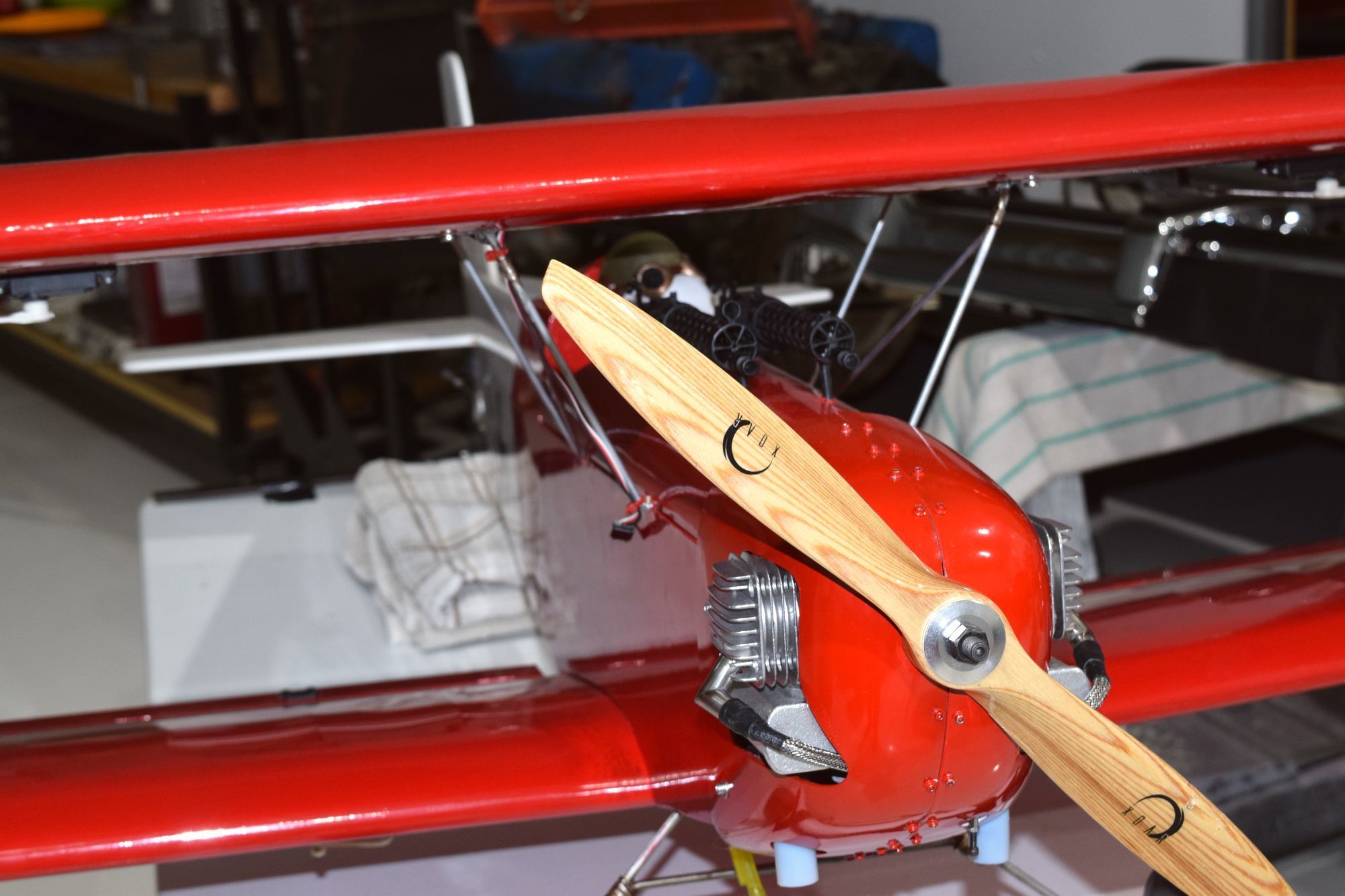
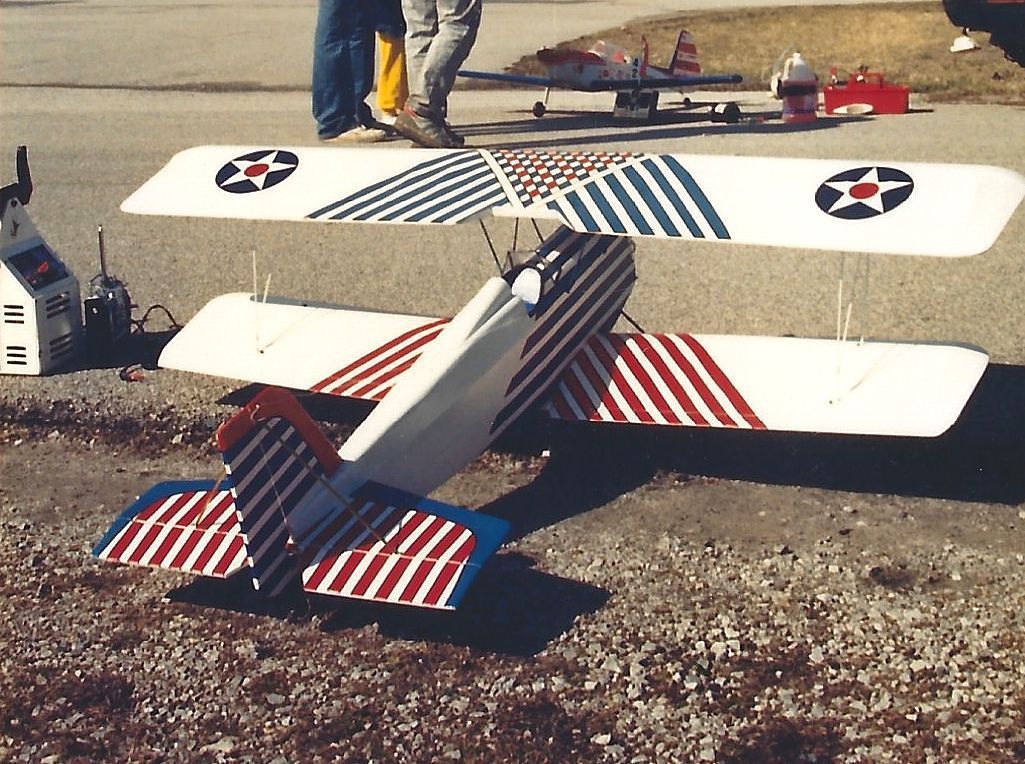
It's been too long for me to remember, but I don't think my first one had top wing ailerons. It did have an OS 120fs. It flew a whole lot better later with the Super Tigre 2500; pretty similar to the Stinger twin 20cc gas I have now. The Stinger twin is VERY smooth.
The following users liked this post:
G.F. Reid (04-26-2024)
04-16-2023 | 11:03 AM
#12
Senior Member
Joined: Feb 2023
Posts: 327
Likes: 0
Received 62 Likes
on
56 Posts
From: Corryton, TN. Fly at Lucky Lane RC RC Club
gow589, Thanks for the response. Based on that, I may try 4 ailerons. The linkage you showed was similar to what Bill Evans used on his Astron-40 X-wing tail-less bipe back in 1979. It worked well, but I would not use that method on something as big as the Phaeton 90 when good servos are so cheap these days. The twin 20cc Stinger looks really nice on your Phaeton 90 and I bet it is really smooth. Looking up the weights, I see the Stinger 20 cc twin is just 2.06 pounds and my Enya R120-4C engine weighs 2.0 pounds, so essentially the same weight. I have a Singer 20RE single cylinder that would fit the Phaeton 90 quite nicely too, but just out of morbid curiosity, I think I will stay with the Enya to see how many more years I can get out of it. 35 years, two set of bearings and still counting... going for 40.
The following users liked this post:
gow589 (04-16-2023)
04-16-2023 | 12:06 PM
#13
My Feedback: (1)
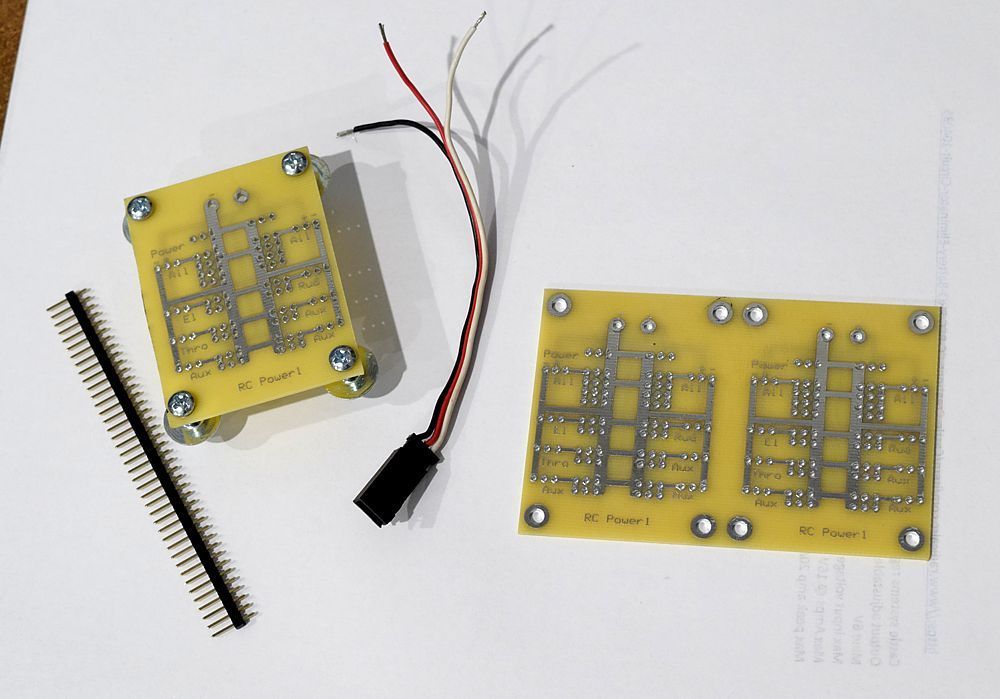
With that many servos, I also made a circuit to distribute the power. I did not want to run all that through a single receiver. I know some probably use 2 receivers. I soldered servo leads in. The battery mounts to the board and the servos and receiver draw power from the board so the power for multiple servos does not go through the board. There are some commercial distribution boxes that do this.:
04-16-2023 | 12:35 PM
#14
Senior Member
Joined: Feb 2023
Posts: 327
Likes: 0
Received 62 Likes
on
56 Posts
From: Corryton, TN. Fly at Lucky Lane RC RC Club
gow589, Yes, what you have done here is quite nice and much cheaper than the Smart Fly Competition 12 Plus power expander boards I use on my larger gassers. Up to 20CC, I just mix a spare auxiliary channel to the aileron channel to drive the top wing servos from the aux channel port via one splitter for the pair of servos. This allows me to adjust the centering (sub-trim) for the two wings independently, which comes in handy sometimes. So long as the combined load does does not exceed 5 amps, that works fine. For larger models, I like the Smart Fly power boards because they provide buffered 5 volt power to the receiver and can receive full battery voltage/amps via larger wires with larger (or multiple plugs) to the expander board while also providing for two batteries to be connected with an automatic fail-safe monitoring of the two batteries to isolate a failed battery. With the buffered receiver voltage and two satellite receivers, I get between 0 and 3 frame losses per 15 minute flight and I can't recall ever having a "hold".
The following users liked this post:
gow589 (04-16-2023)
07-18-2023 | 05:57 AM
#16
Senior Member
Joined: Feb 2023
Posts: 327
Likes: 0
Received 62 Likes
on
56 Posts
From: Corryton, TN. Fly at Lucky Lane RC RC Club
If you want carbon fiber gear legs, try extremeflightrc.com. Although they do not specify the dimensions, they do specify the wing span and the kit for which they apply. Not cheap, but strong. At the website, type in a search for "landing gear" and look for a plane with a 70 -72 inch wingspan. That should be close. They have a gear for a 70" Extra 300 for $57 listed on page 6 of the gear pages that might work.
07-18-2023 | 06:10 AM
#17
My Feedback: (1)
Thanks, I have found a lot of gear out there, but the one's with dimensions do not fit my needs. This hanger 9 gear for the Tiger 30cc looks promising but it does not have dimensions:
https://www.horizonhobby.com/product...HAN237010.html
I need a base 4.5" wide, about 5" tall with a span of about 15".
https://www.horizonhobby.com/product...HAN237010.html
I need a base 4.5" wide, about 5" tall with a span of about 15".
07-18-2023 | 05:34 PM
#18

My Feedback: (19)
Go on Amazon and Ebay and look for carbon fiber landing gears. You will find quite a large selection of Chinese produced gear and prices are great and quality is good. Don’t be afraid of gear that seem too tall as these days we often run larger props than what was normal when that kit was made. Better too tall than having the prop in the dirt.
Another excellent source for aluminum gear is TnT landing gear. You can custom order anything you want and there is a large selection of standard designs. Tom can be a little slow on delivery times and sit-down when he gives you the quote but the product is excellent. When I need one of his gear I just make sure to order well in advance of when I need it. I use one of the Chinese carbon gear when I can.
Another excellent source for aluminum gear is TnT landing gear. You can custom order anything you want and there is a large selection of standard designs. Tom can be a little slow on delivery times and sit-down when he gives you the quote but the product is excellent. When I need one of his gear I just make sure to order well in advance of when I need it. I use one of the Chinese carbon gear when I can.


