


Vampyr!
 03-23-2014 | 08:20 PM
#1
 Vampyr!
Almost finished with this 1/4 Vampyr. Built in 1921 with 'normal' ailerons the 1922 version had 'warping' ailerons. The 1923 version had an enlarged rudder. Hmmmm... 
The build can be found on RCAerotowing.com. The ailerons 'warp', the rudder has pull-pull and the stabilator is mass balanced. It is ready for ply and fabric.


Depending on the number of responses and views I just might put my next build here on RCU! The Balestruccio didn't get much action here.
The build can be found on RCAerotowing.com. The ailerons 'warp', the rudder has pull-pull and the stabilator is mass balanced. It is ready for ply and fabric.
Depending on the number of responses and views I just might put my next build here on RCU! The Balestruccio didn't get much action here.


 04-01-2014 | 08:04 PM
#3
Well, hello! Yes, aeajr, the sailplanel is a scale model one of thee most innovative airplane... EVER! It was the very first aircraft with a stressed skin 'D' tube wing. All subsequent aircraft owe a debt of gratitude to this design. 3-views were used from Martin Simons' book 'Sailplanes 1920-1945'. Thanks again, Martin! The full scale version had a wingspan of 12.6m so my 1/4 scale version is 3.15m. The ailerons are activated by a crank inside the wing. Since the crank swings an arc there is a 'slider' on rails that engages the crank arm. Thus the ailerons are the warping variety and mine functions per the full scale. Modern parlance would be that the wings 'morph' for roll control. It has since been mostly covered but the ply skinning can't go onto the fuselage until I finish molding the wheels. It has three. They resemble beach balls.
I thought I'd get more views and/ or responses by now. My goodness... look at that ugly thing. Thank you for being the first responder with a question, even!
I thought I'd get more views and/ or responses by now. My goodness... look at that ugly thing. Thank you for being the first responder with a question, even!
04-02-2014 | 02:53 PM
#5
The Vampyr model has a tow release in the nose. The original was bungee launched from slopes in Germany. This Vampyr will fly at the Horizon Hobbies Aerotow Event in Monticello, IL. I can't wait! I'll bring the 1/6 Balestruccio (as seen here on RCU), maybe the 1/4 Prufling (also can be seen here on RCU) and possibly another scale bird to the Event.
04-03-2014 | 04:03 PM
#7
bobeagle! Thanks, Man! It's too bad folks don't give these airplanes a better look. They are very interesting. You can see a P-51 or Cub (don't get sore folks... I like both) any given day at the field but you never see a Kria or a Professor or a Maeda 703 etc.....
Meanwhile, back at the Rural Aircraft Factory.... (my shop) I successfully molded one of the three 'beach ball' tyres using home made pattern and molds and Smooth-On.com's Reoflex 40 urethane and coloring agent. After I get the ply and fabric on the fuse I'll post a photo or two. Wilson at Tailored Pilots.com (in England) is making a nice German civilian pilot for the Vampyr.
Meanwhile, back at the Rural Aircraft Factory.... (my shop) I successfully molded one of the three 'beach ball' tyres using home made pattern and molds and Smooth-On.com's Reoflex 40 urethane and coloring agent. After I get the ply and fabric on the fuse I'll post a photo or two. Wilson at Tailored Pilots.com (in England) is making a nice German civilian pilot for the Vampyr.
04-06-2014 | 08:41 PM
#8
Teasers!


The pic of the full scale flying in in Martin Simons' book 'Sailplanes 1920-1945' which is an excellent resource! The second pic is the wing in a 'nightie' showing some figure! The warp cranks, mounts, drag and anti-drag struts and everything replicated.
The pic of the full scale flying in in Martin Simons' book 'Sailplanes 1920-1945' which is an excellent resource! The second pic is the wing in a 'nightie' showing some figure! The warp cranks, mounts, drag and anti-drag struts and everything replicated.
04-07-2014 | 05:14 AM
#10
Hi- that's the 'real' covering... Koverall. The covering on the outer panels is on the bias to help maintain flexibility. It'll get nitrate dope then a coat of tinted butyrate. I've never done video although my camera has that capability. I don't know if I am intelligent enough to post vids but will try eventually when the Vamyr is completed. You can see the crank in the wing between ribs. I think(?) the full scale had the crank engage a slot on 'aileron' spars but mine has a brass 'slider' that moves on the spars as the crank pivots. It looks the same thru the covering and functions similarly. It's all I could do with hand tools. Clearances need to be tight.


04-07-2014 | 08:49 AM
#11

Hey ARUP, must be intelligent life down here. 
Even without video it's really impressive to see the details of the wing warping mechanism true to original. Great work!
By the way, my book about the evolution of sailplanes tells that the ailerons of the first version had nearly no effect, that's why they added those big flapping "warperons".
The book also tells that the D-tube wing was only one step in a series of innovations. First was a method to calculate torsional strength and rigidity of such hollow shapes, second was the thick airfoil and third the stressed skin/sheeting. Junkers had such cantilever wings before but these were multiple-spar designs. The designer learned about it when working there. He added the single-spar design.
Some pictures from the book attached.
The book claims the wheels were soccer balls.They used them for their low drag compared to conventional landing gear/wheels.
Google for "vampyr glider" to find pictures of the (one in a kind) original in the German Museum and a replica in the German Glider Museum.
Even without video it's really impressive to see the details of the wing warping mechanism true to original. Great work!
By the way, my book about the evolution of sailplanes tells that the ailerons of the first version had nearly no effect, that's why they added those big flapping "warperons".
The book also tells that the D-tube wing was only one step in a series of innovations. First was a method to calculate torsional strength and rigidity of such hollow shapes, second was the thick airfoil and third the stressed skin/sheeting. Junkers had such cantilever wings before but these were multiple-spar designs. The designer learned about it when working there. He added the single-spar design.
Some pictures from the book attached.
The book claims the wheels were soccer balls.They used them for their low drag compared to conventional landing gear/wheels.
Google for "vampyr glider" to find pictures of the (one in a kind) original in the German Museum and a replica in the German Glider Museum.
05-17-2014 | 03:27 AM
#14
Almost finished for those very select few who have looked at this thread. Due to the low interest the next project will not be shown here. Sorry.


The name was painted using a home made mask to replicate font used on original. Once the white dope dry then multiple layers of clear butyrate sprayed with sanding between coats to 'level' it. You can't feel the white paint... it is smooth as a baby's behind but the sheen still has natural wood look. Perfect! The 'D' tube section of the wing was sprayed with dope in an attempt to match the color of the ply on the fuselage. Only thing left is cockpit cover, pilot, electronics and weight and balance. Cheers.
The name was painted using a home made mask to replicate font used on original. Once the white dope dry then multiple layers of clear butyrate sprayed with sanding between coats to 'level' it. You can't feel the white paint... it is smooth as a baby's behind but the sheen still has natural wood look. Perfect! The 'D' tube section of the wing was sprayed with dope in an attempt to match the color of the ply on the fuselage. Only thing left is cockpit cover, pilot, electronics and weight and balance. Cheers.
05-17-2014 | 06:09 PM
#16
Thanks for looking again, UStik. I really appreciate it! I'm working on the 'leather' cockpit cover presently. I'm going to try and replicate it with silk. I put some silk on a frame. I am currently sealing it with nitrate dope then I'll paint it to look like leather (hopefully). The real leather I have is just too thick. Here are some glamour pics since it was so pretty outside.


The dope on the wings is a little too yellow but that's gonna have to stay. Once the cockpit cover goes on then the pilot and radio can be installed again so the weight and balance can be completed. Cheers!
The dope on the wings is a little too yellow but that's gonna have to stay. Once the cockpit cover goes on then the pilot and radio can be installed again so the weight and balance can be completed. Cheers!
05-20-2014 | 11:18 AM
#17

Yep, that sure is a.... uh..... um....... "DISTINCTIVE" looking design..... 
You've done a superlative job on a very rarely modeled prototype. I hope that it flies even half as good as it looks for you.
You've done a superlative job on a very rarely modeled prototype. I hope that it flies even half as good as it looks for you.
05-21-2014 | 06:04 PM
#18
Thanks, BMatthews! The warperons don't seem sufficient for roll control but... might as well give it a whirl! Here it is... done! Just gotta build a transportation/ storage box.


Cheers!
Cheers!
05-22-2014 | 04:06 AM
#20
07-22-2014 | 05:51 PM
#21
The Vampyr flies! Maiden at Highpoint Aviation Aerotow in WV. New outer panels were built with ailerons since the 'warperons' didn't function very well. Nothing ventured, nothing gained... right?


If I come across a pic of it in flight I'll post it if I get permission. The Vampyr flew great!
If I come across a pic of it in flight I'll post it if I get permission. The Vampyr flew great!
06-04-2025 | 05:38 AM
#22
Hi ARUP,
Was in the German Museum today and immediately remembered this build thread. Now that the old pictures are gone I just added new ones from an earlier museum visit, showing a replica build in detail, and two pics from today showing the wing warping mechanism.
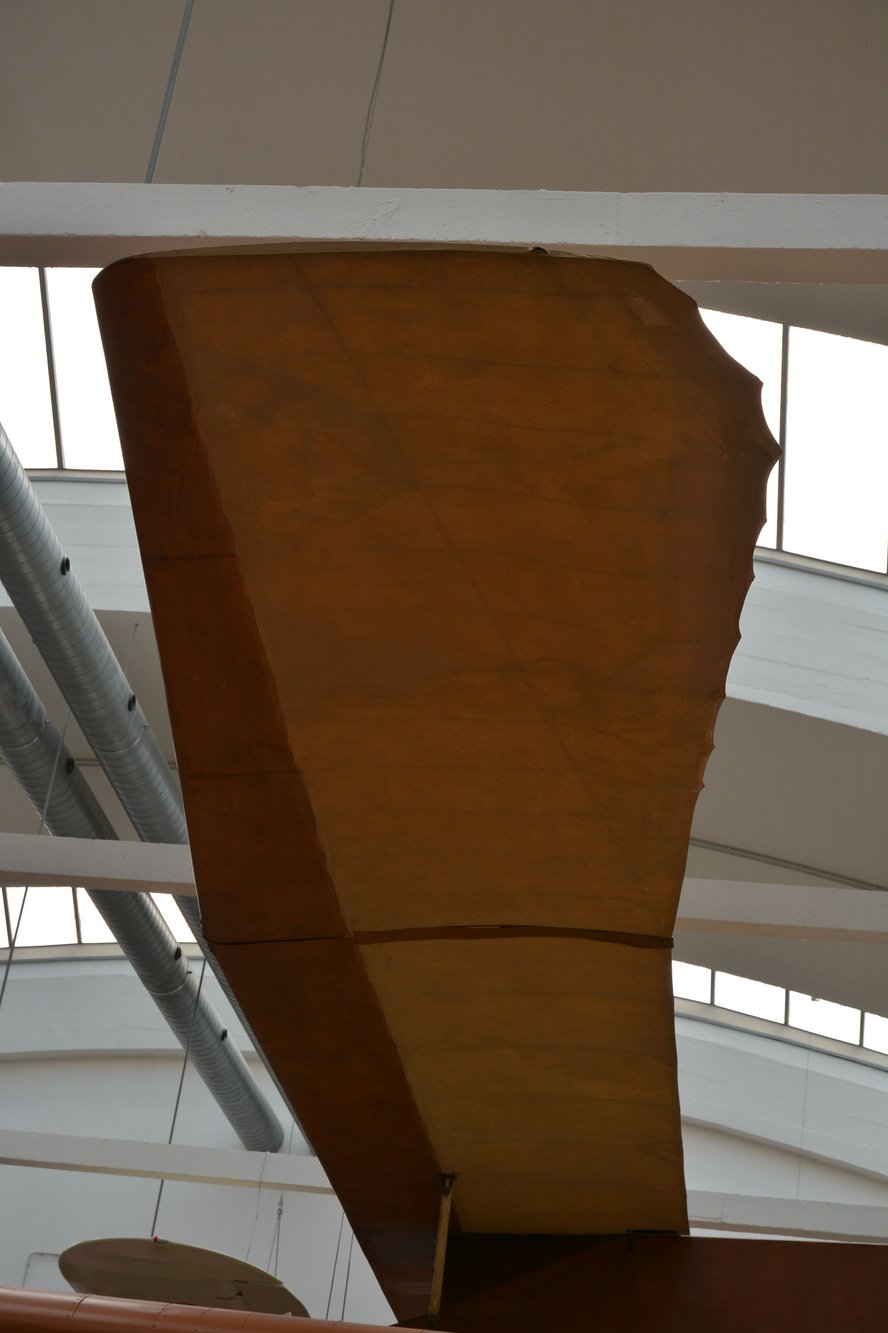
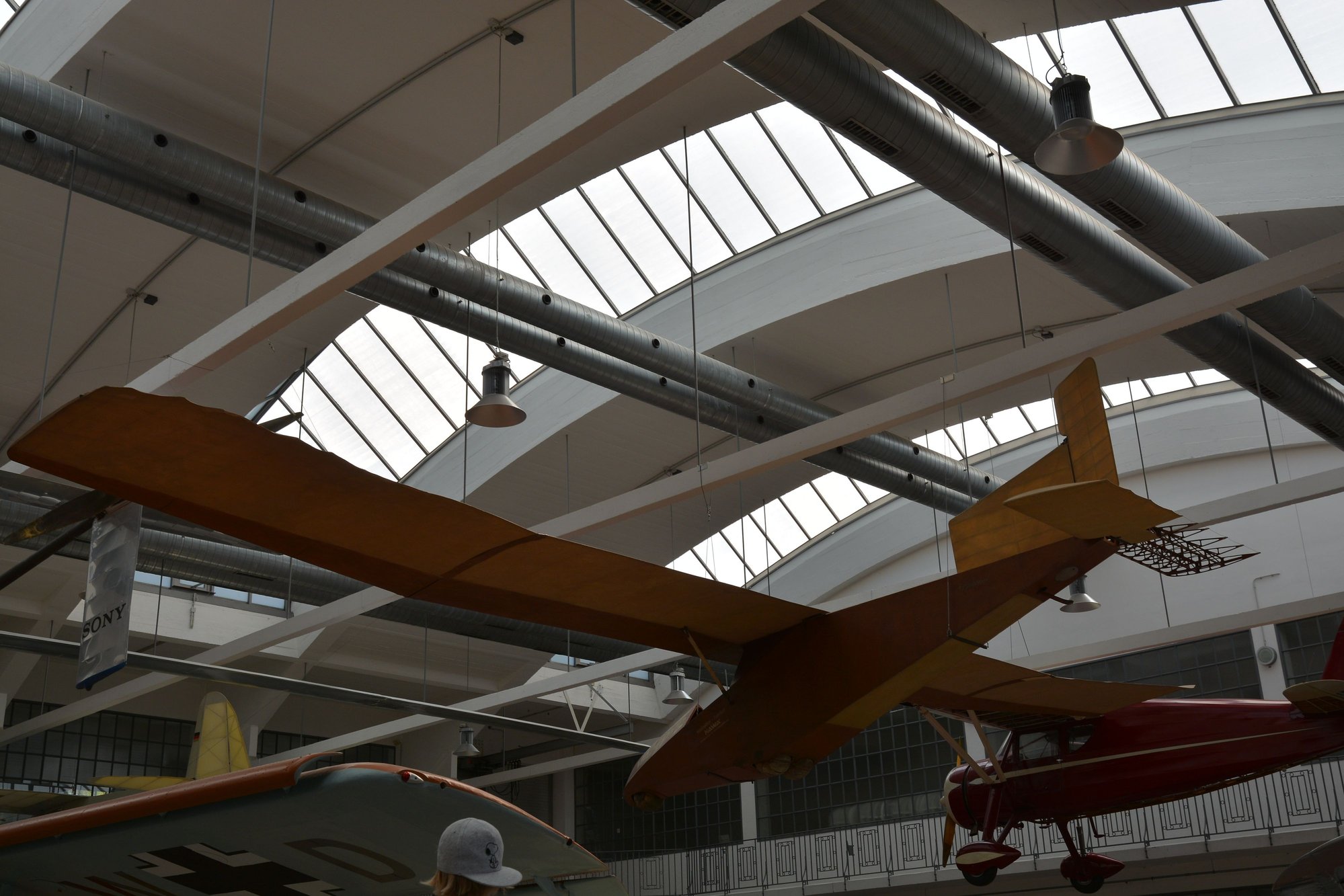
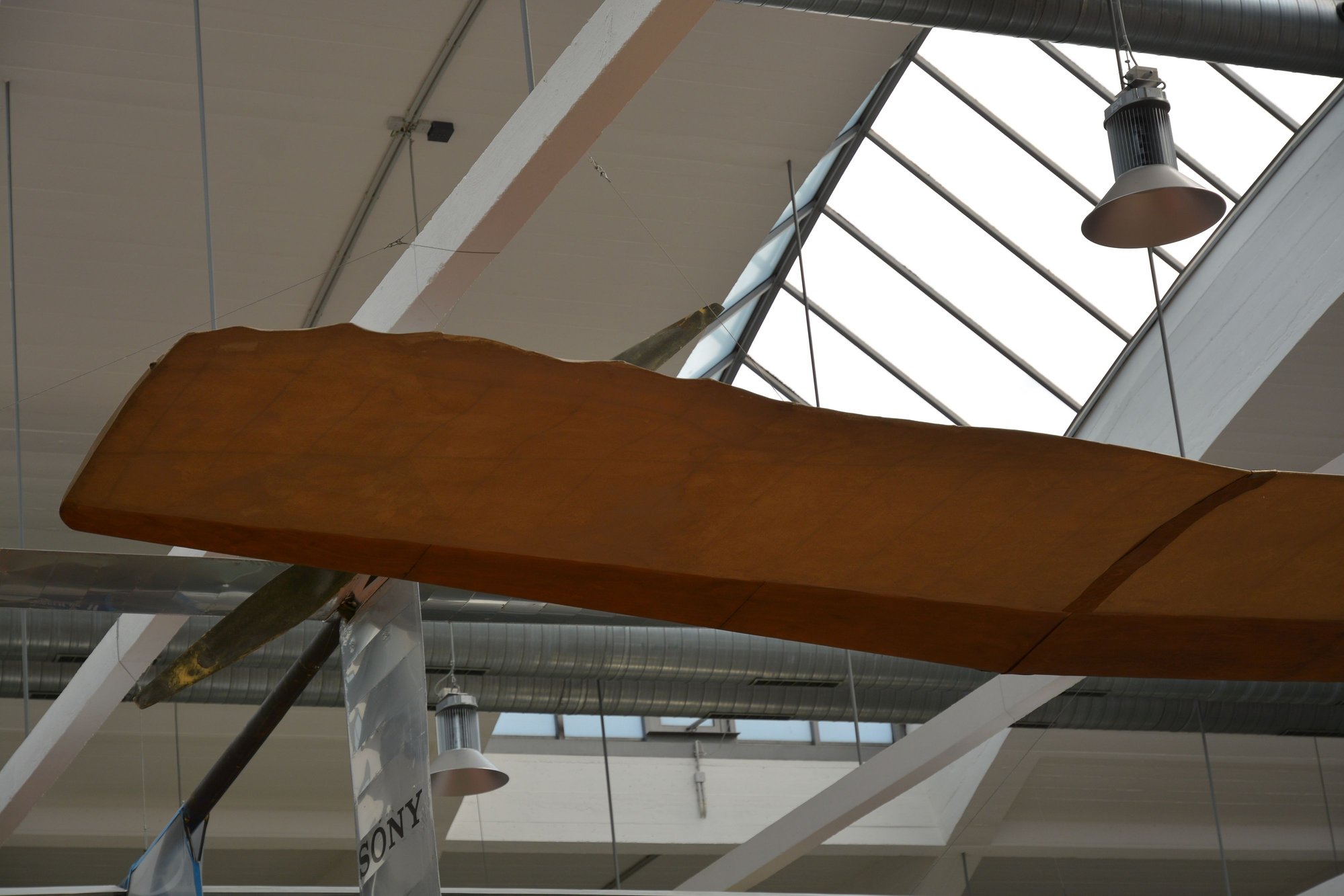
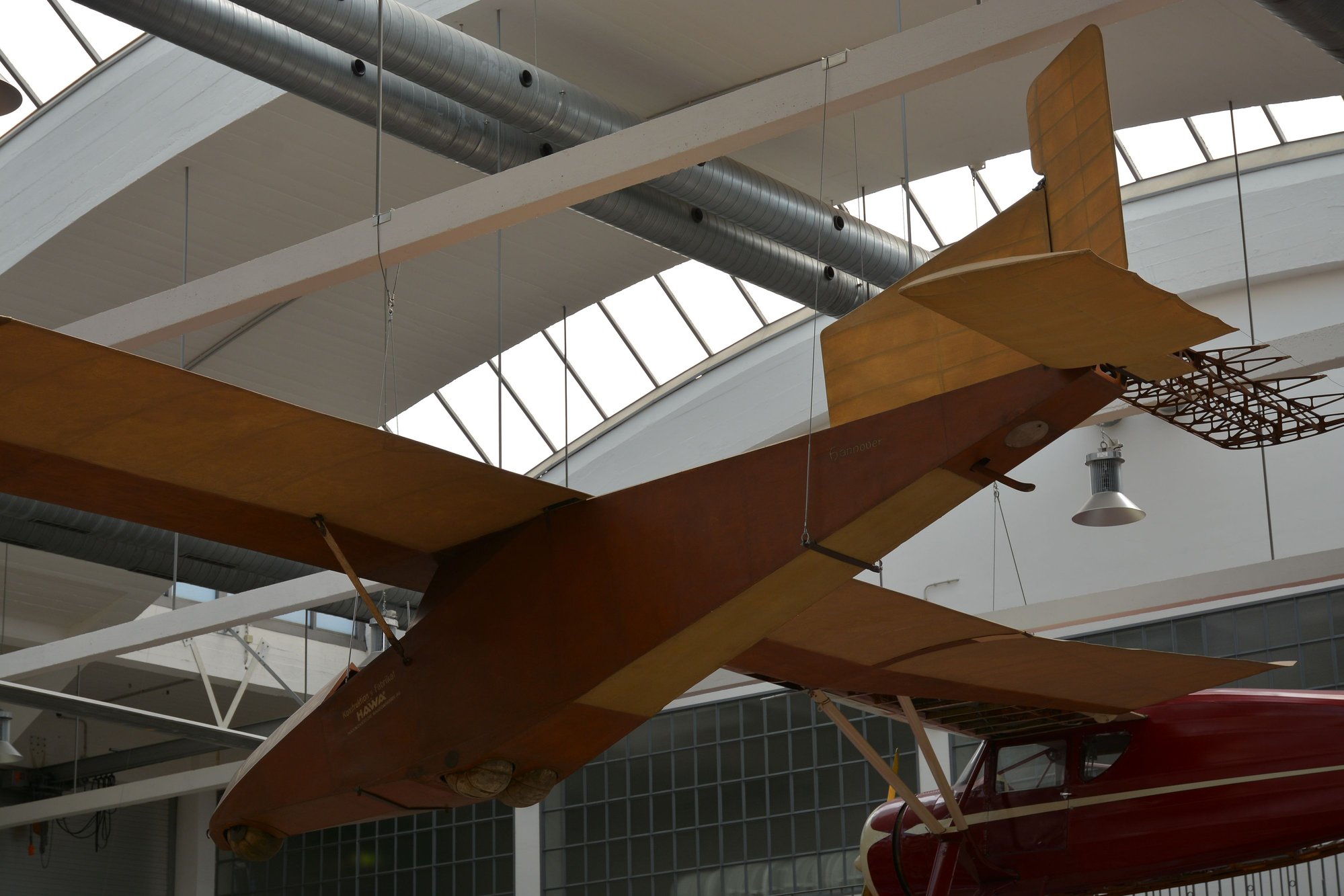
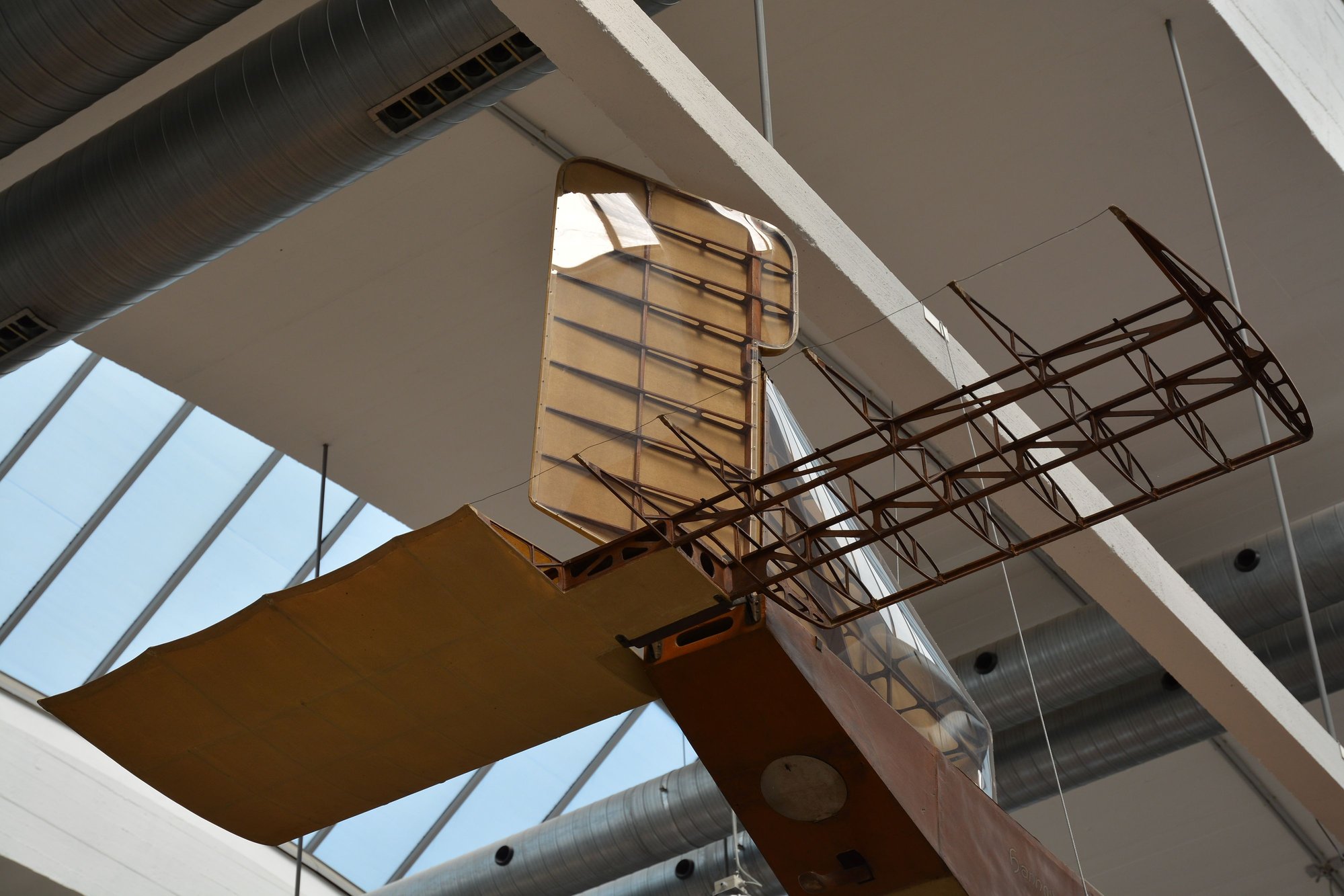
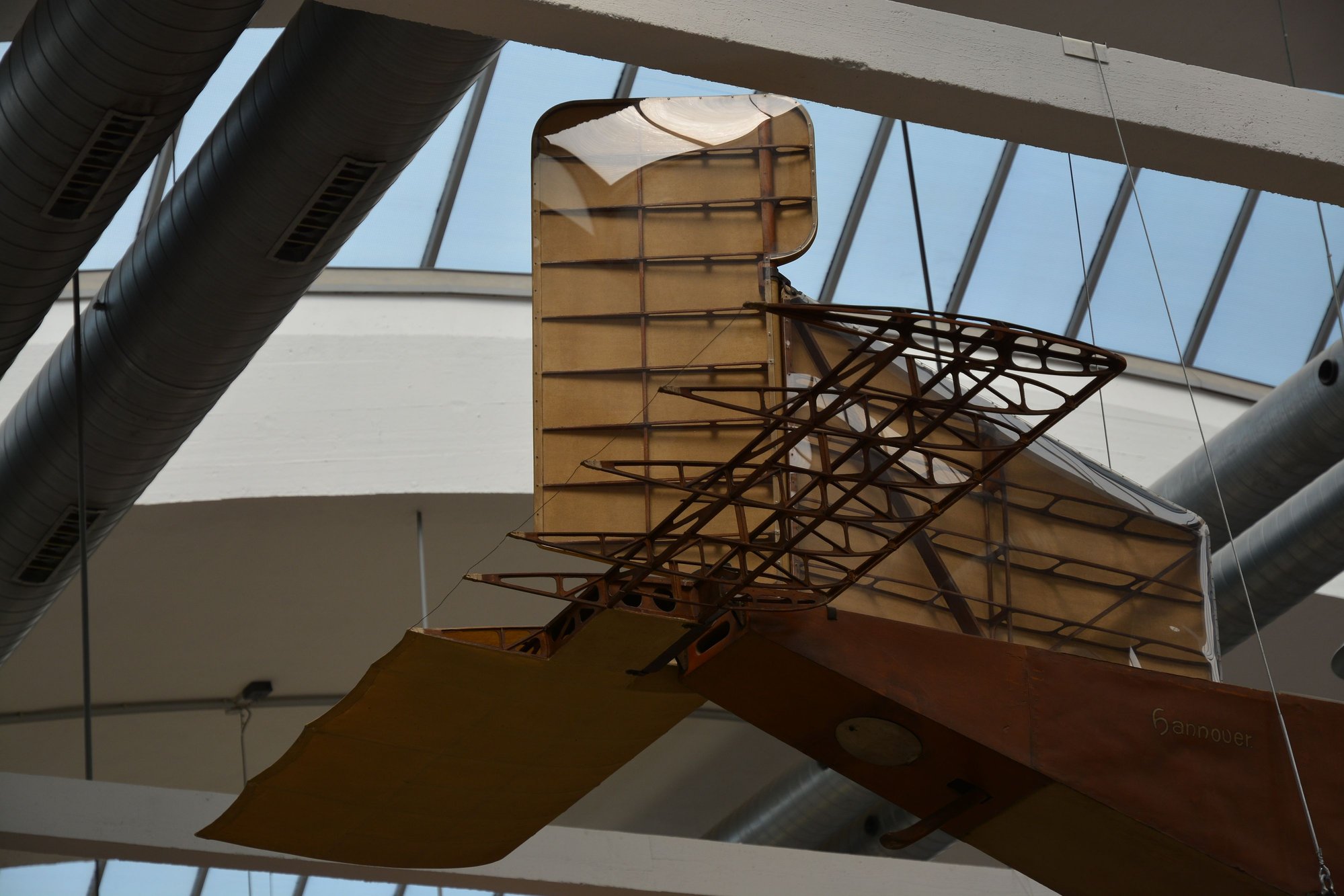
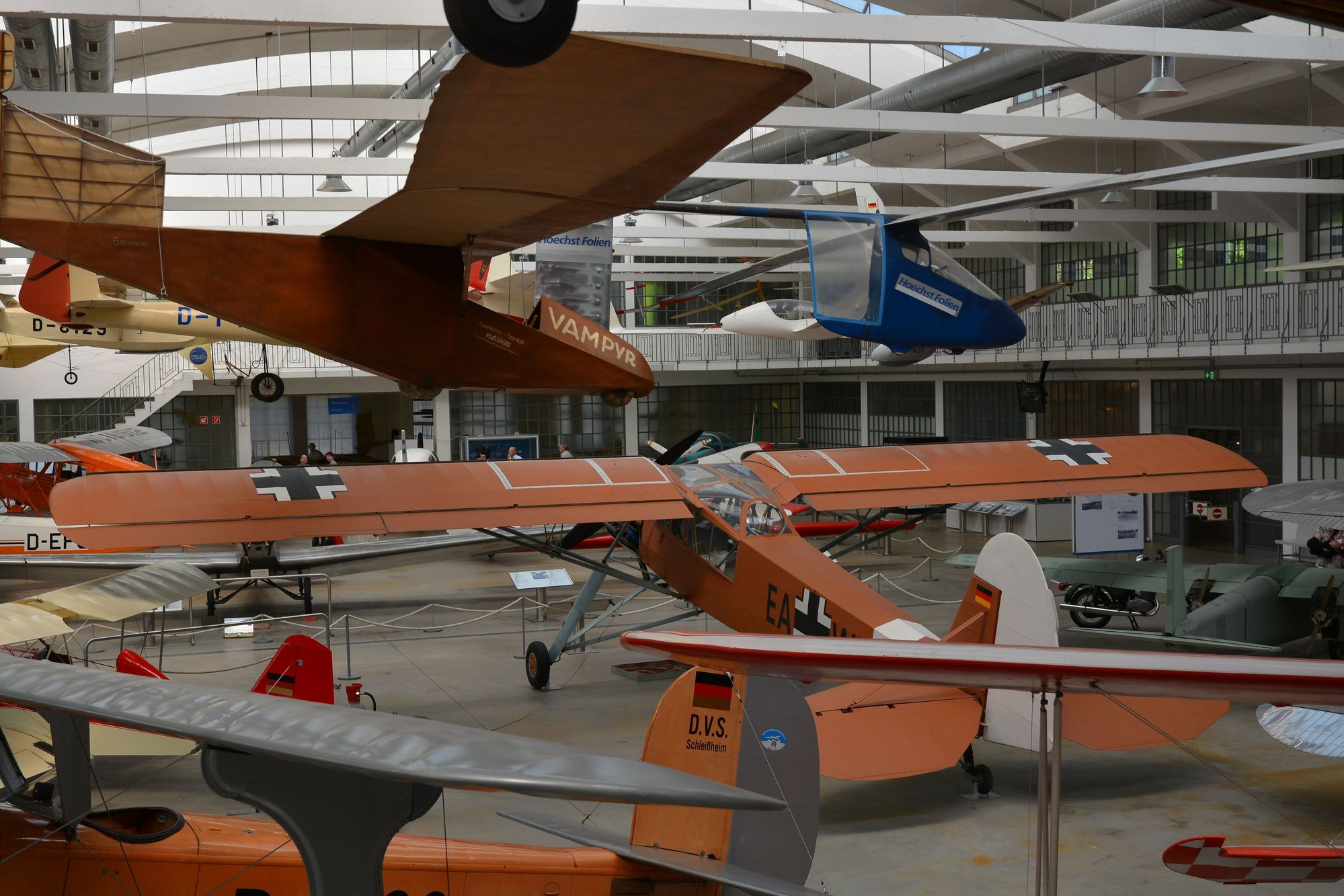
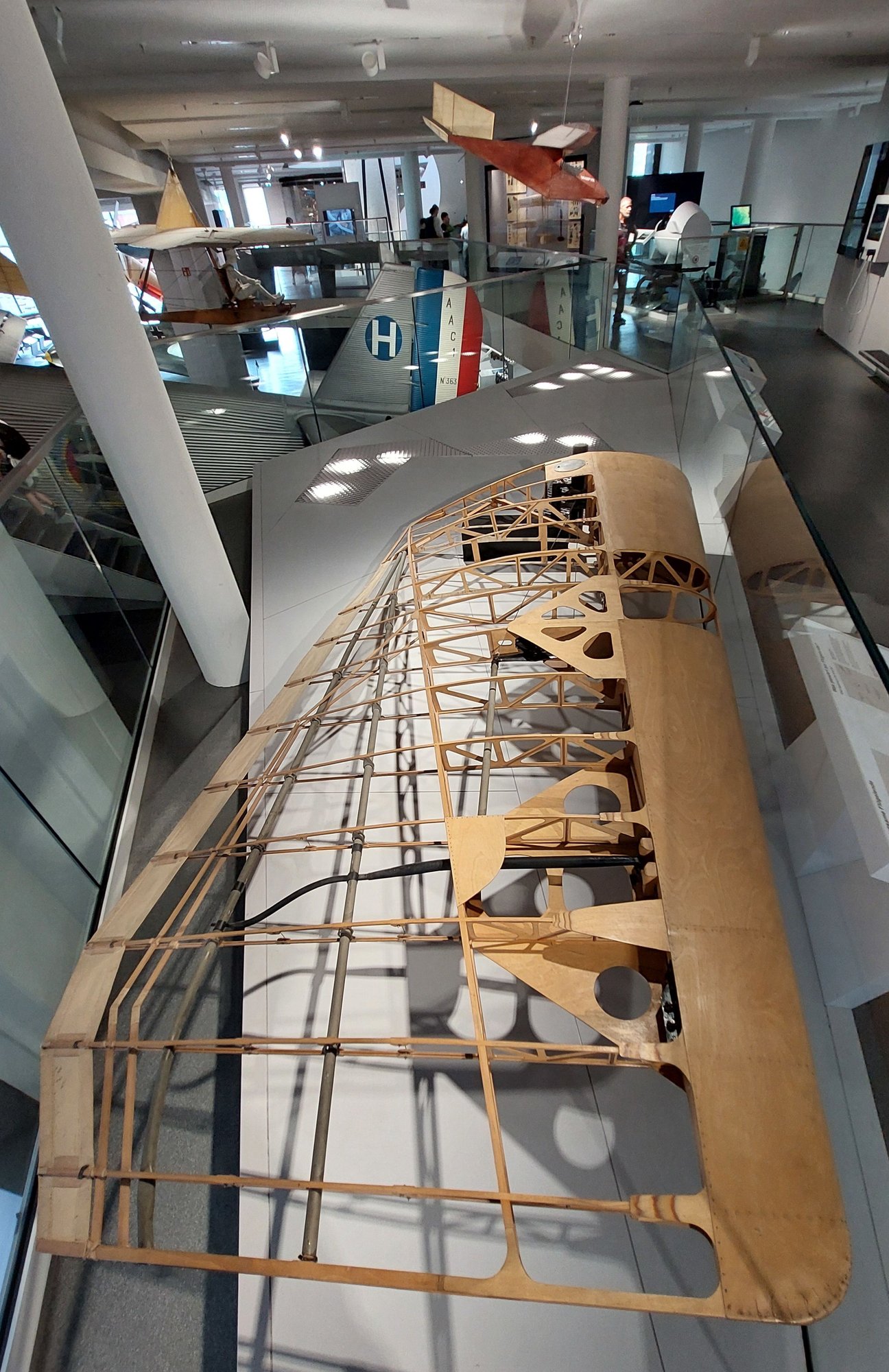

Was in the German Museum today and immediately remembered this build thread. Now that the old pictures are gone I just added new ones from an earlier museum visit, showing a replica build in detail, and two pics from today showing the wing warping mechanism.


