


Tiger I Question


 06-03-2013 | 11:32 PM
#2

 RE: Tiger I Question
That first Tiger looks like it has it's "travel" tracks installed. They were more narrow & they had to remove the outer wheels. It was to fit on trains.
You can see the 2nd road wheel in both pictures looks normal, just the 1st, 3rd, 5th etc outer ones have been removed.
I suppose in an urban environment the travel tracks would make sense to have, being lighter & not needing the reduced ground pressure....
Does anyone know if many Tigers fought with their travel tracks often?
You can see the 2nd road wheel in both pictures looks normal, just the 1st, 3rd, 5th etc outer ones have been removed.
I suppose in an urban environment the travel tracks would make sense to have, being lighter & not needing the reduced ground pressure....
Does anyone know if many Tigers fought with their travel tracks often?
06-04-2013 | 02:33 AM
#3
RE: Tiger I Question
Quite often in certain environments the outer wheel of the set behind the drive sprocket was removed to prevent mud and shale build up. In fact all the Tamiya Tiger 1 kits come with the parts to leave this wheel off right and left.

 06-04-2013 | 08:55 AM
#7


Joined: Apr 2012
Posts: 775
Likes: 0
Received 0 Likes
on
0 Posts
From: Sellersville, PA
RE: Tiger I Question
Try having a look at this website, some nice pictures & info on the different looks of the over lapping Tiger I wheels & suspension system,:
http://www.alanhamby.com/suspension.shtml
Besides weather conditions, I presume this answer from the website is also valid for why you might see less wheels or different looking configurations ...
<div style="margin-left: 40px;">
To reduce costs and make production easier, new steel wheels were introduced in January 1944.
Because these steel wheels could handle heavier loads than the earlier rubber-tired versions,
the outer row of wheels was left off, resulting in 2 wheels per axle or 16 per side.</div><div style="margin-left: 40px;">
Wheels shaded black were removed in January 1944.
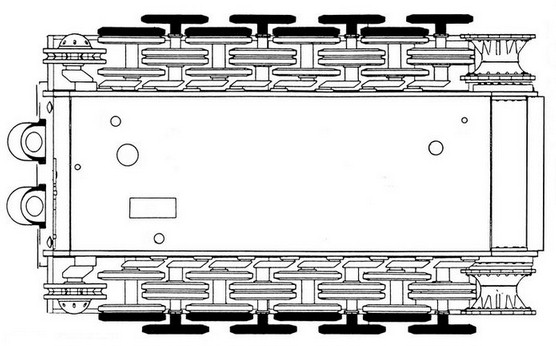 </div>
~ Craig ~
http://www.alanhamby.com/suspension.shtml
Besides weather conditions, I presume this answer from the website is also valid for why you might see less wheels or different looking configurations ...
<div style="margin-left: 40px;">
To reduce costs and make production easier, new steel wheels were introduced in January 1944.
Because these steel wheels could handle heavier loads than the earlier rubber-tired versions,
the outer row of wheels was left off, resulting in 2 wheels per axle or 16 per side.</div><div style="margin-left: 40px;">
Wheels shaded black were removed in January 1944.
</div>~ Craig ~
06-05-2013 | 04:13 PM
#10
Senior Member
RE: Tiger I Question
Give that man a silver dollar... The interleaved road wheels rode great, but were a nightmare to maintain, keep clear of debris and worst of all repair in the field. leaving off the first outer road wheel allowed debris to be thrown clear of the tacks and road wheel.


