A long time ago (like over 50 years!) I needed a system that would allow me to fly planes when I wanted and insulated from the vagaries of the English weather.
I had built some 'round the pole' planes but with mixed success due to rather short lines coupled with heavy low power brushed motors.
I felt sure a bit of 'elevator' control would improve the chances of realistic flight.
You have to have two wires to carry the current so why not use them as conventional control lines wires as well so i set about designing a central 'pylon' that not only conducted the current but gave differential movement controlled by a 'stick' from out side the circle.
As I didn't live in a baronial hall this feature was vital as the biggest clearance circle I could achieve in my parents house was just over 14 ft diameter. This meant flying on 6ft lines. Good for keeping voltage drop at bay but resulting in a rotational speed far beyond what a human could handle from the centre.
So small very light planes it had to be which suited me fine.
The combination of good throttle control, elevators and a smooth floor meant even delicate planes had a reasonably long life, in fact it was quite hard to build light enough to make full use these characteristics.
Being so long ago I don't have many pictures of them but typical is this converted Keil Kraft rubber scale series Fairey Gannet.
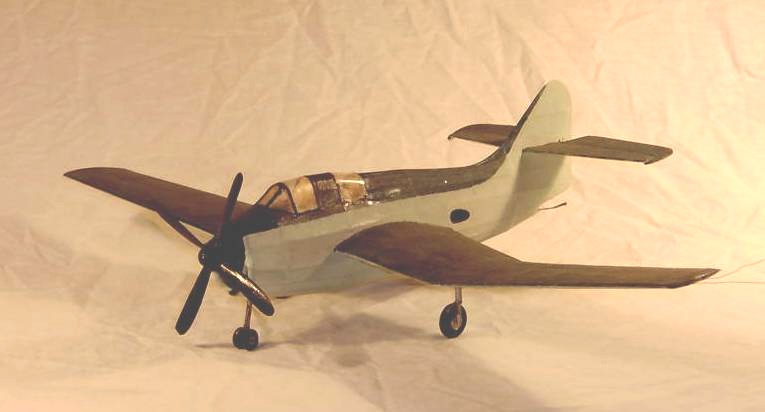
The very benign flying conditions allows scale diameter wheels and a hand carved 'inserted blade' prop in balsa wood.
Or this free lance 4 motor not unlike a B24 Liberator.
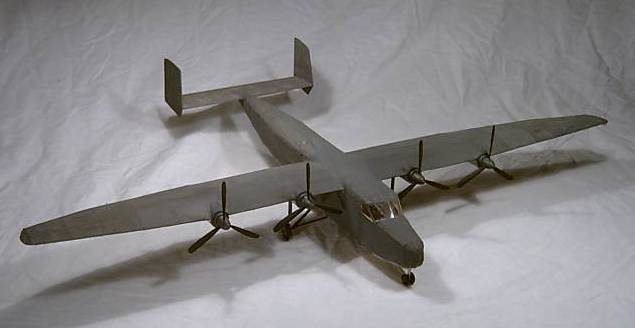
Still stick and tissue it even has telescopic sprung undercarriage (springs from retractable ball pens!). Impressive in flight but it has to be stored carefully as each motor weighs more than the entire airframe!
This twin actually has a third line used to power a motor to work the flaps and the loading ramp.
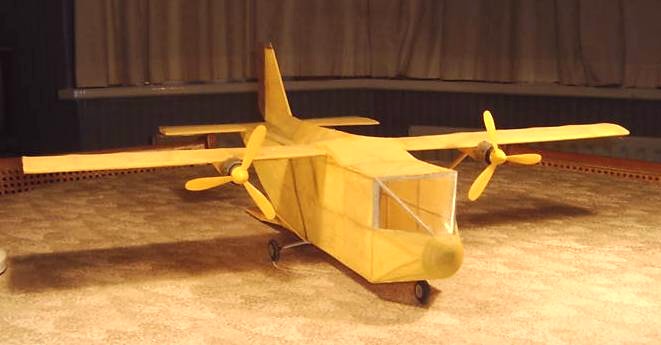
The interior could hold a dummy stick and tissue house brick.
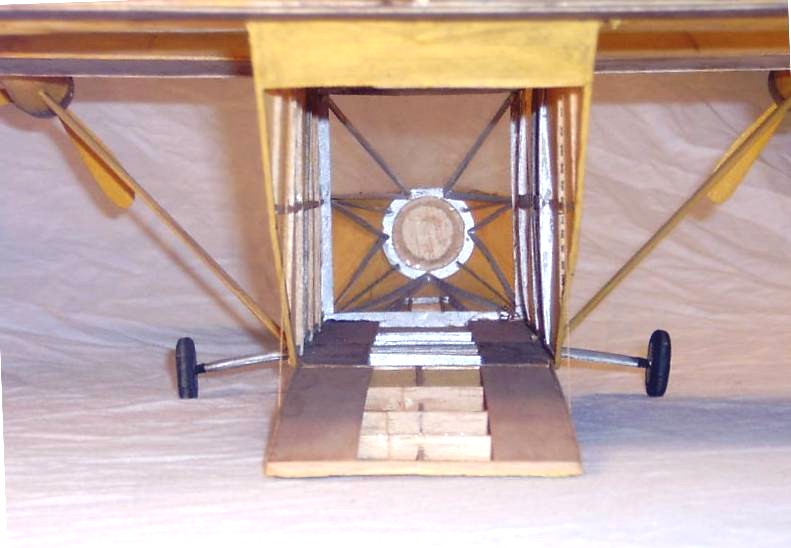
Which it could drop it in flight!
As my building skills improved I moved onto true scale not only in profile but in construction as well like this Sopwith Pup.
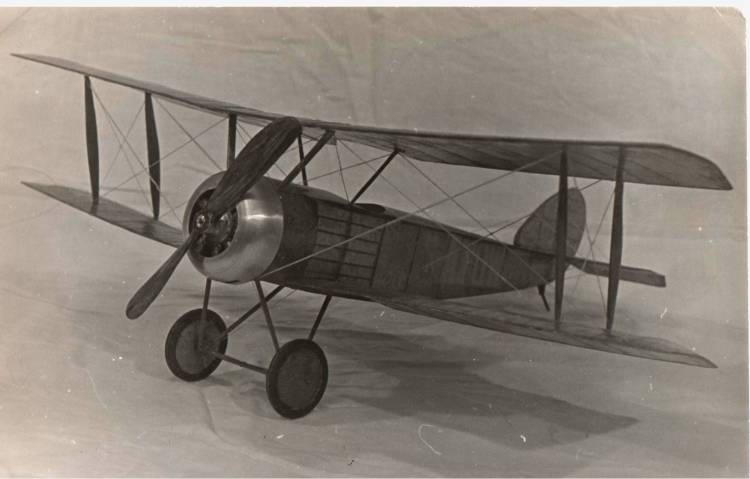
This had the benefit of a geared 'slot car' motor so it could drive a scale diameter (and pitch) carved balsa prop.
The undercarriage used elastic cotton to give scale springing and very fine steel wire for the load carrying rigging.
One advantage in having a very skilled model engineer for a dad meant he spun a scale aluminium cowl for me!
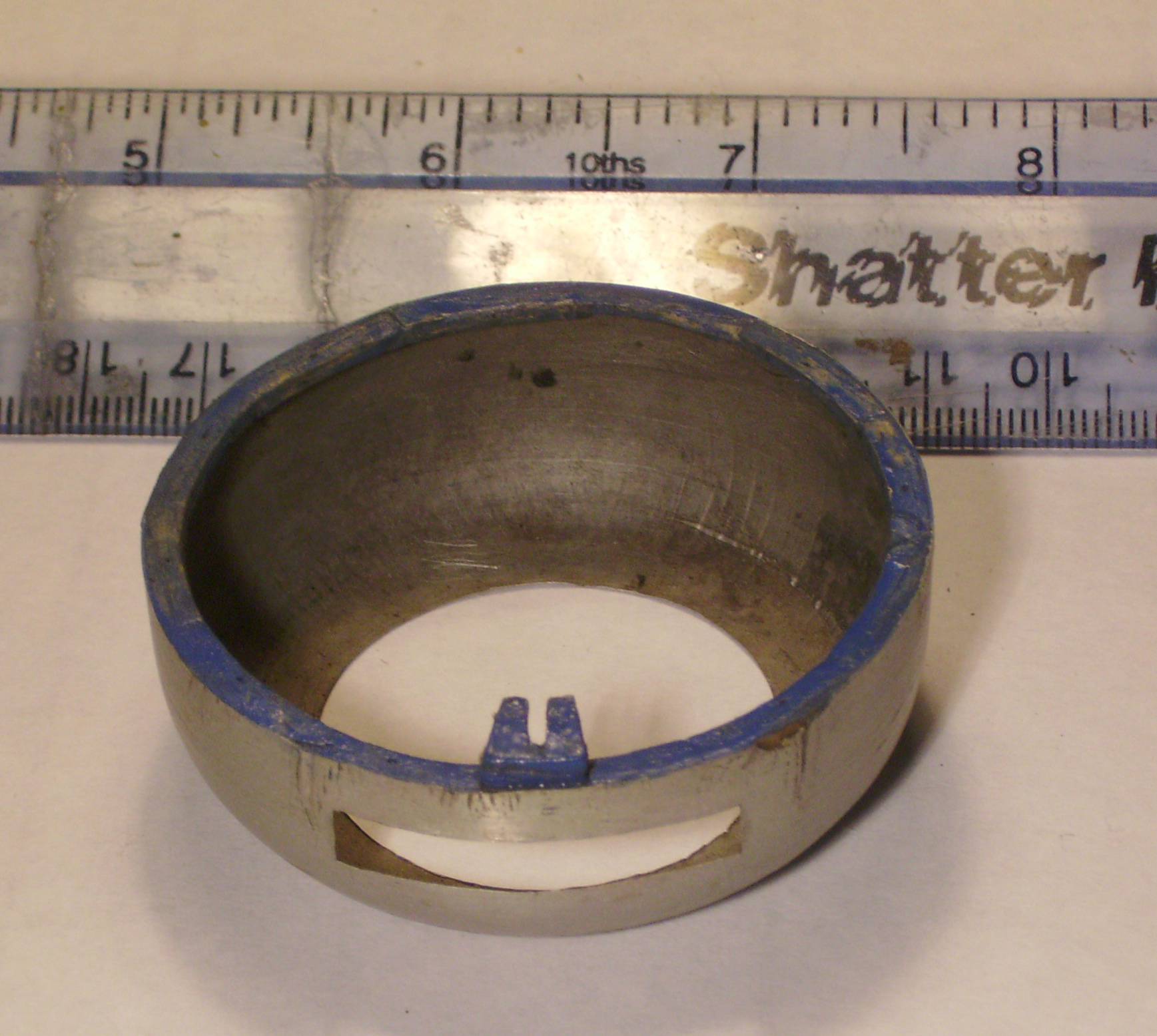
At 18" Span the Pup weighed just 2oz complete.
I seemed to remember it flew rather like the original - very well but stall it at your peril!
The next plane would have to have thicker wings........