I think if you do some sums you will find the lift created by helium in a typical aircraft fuselage is not worth the trouble!
Even a 5 m cage would still be quite small. A typical RTP model would be run on 3 m
lines in a 7 or 8 m wide room/hall.
https://www.youtube.com/watch?v=cHrtHqV7bSE
This video of 'tethered' RC planes might give you some ideas.
https://www.youtube.com/watch?v=BZ1c9twV9Zk
The planes are 'off the shelf' RC 'ready to fly' jobs.
My own RTP planes were actually electric
control line. The two wires providing the electricity for the DC motor also moved relative to each other to control the elevator. As the 'pilot' sat outside the circle it did require some quite complex linkage at the centre pylon to achieve it.
The big advantage of doing this was the elevator control system added very little weight so allowed some quite complex and true scale planes to be flown within a 4 m room but it took far longer to develop (and to build!) than you have available!
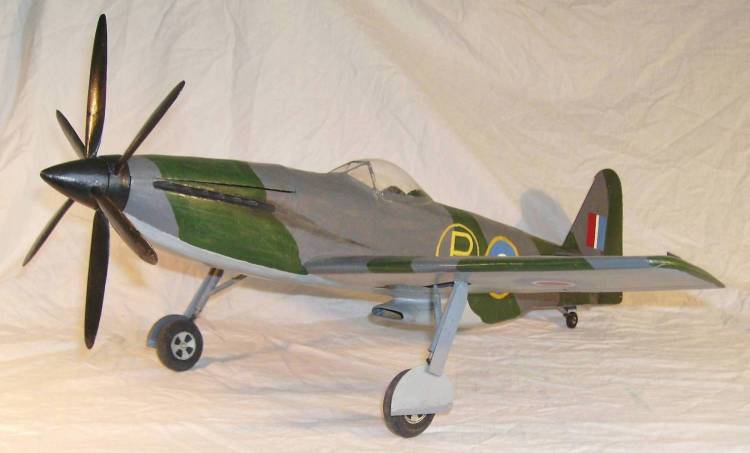
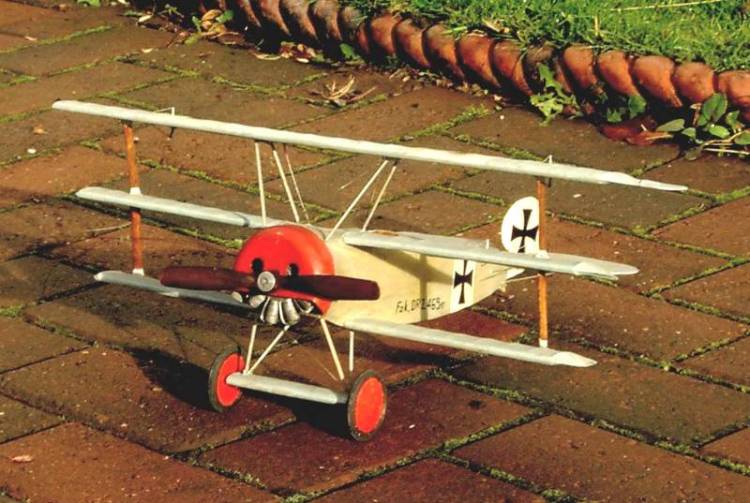
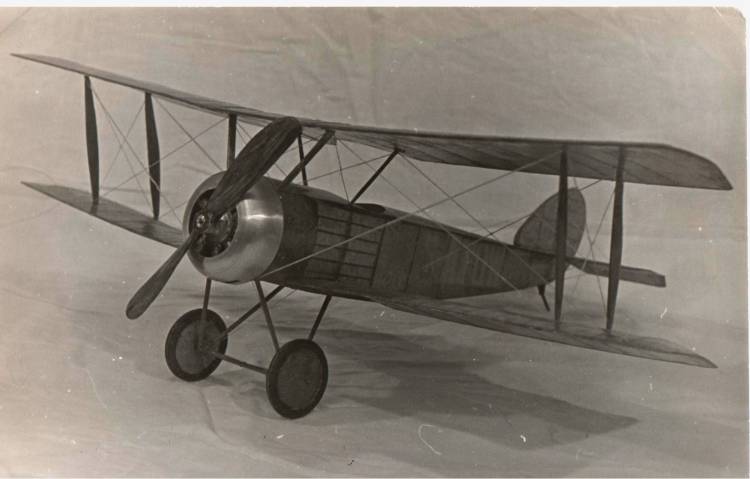
The first picture (The Martin Baker MB5) is the biggest at 560 mm span and has two motors driving the contra rotating props is all sheet balsa but it still only weighs 127g.
I hope this helps.