


Removing Paint
 05-24-2008 | 12:42 AM
#1
Thread Starter

My Feedback: (14)
 Removing Paint
I have an airplane that is painted with primer(military colors) and flat clear over it. I bought some klean strip for fiberglass to take it off, hovever i DO NOT want to hurt the gel coat. should i use this product? the panel lines are somewhat shallow in this plane, so im doing my best to preserve them, its an AD F-16. thanks for the help!
 05-24-2008 | 12:59 AM
#2

My Feedback: (23)
RE: Removing Paint
spencer,
I just got done stripping paint off of a YA F-18 fuselage. I used a chemical called "citri-strip". Its available from lowes, home-depot and even walmart has it. you only need a 1 quart bottle and it works alot better than that "fiberglass paint stripper" that body shops sell. Its about $15 for a quart and doesn't harm fiberglass either.
I just got done stripping paint off of a YA F-18 fuselage. I used a chemical called "citri-strip". Its available from lowes, home-depot and even walmart has it. you only need a 1 quart bottle and it works alot better than that "fiberglass paint stripper" that body shops sell. Its about $15 for a quart and doesn't harm fiberglass either.
05-24-2008 | 01:11 AM
#3
Thread Starter
My Feedback: (14)
RE: Removing Paint
thanks for the info tom, i know it wont hurt the fiberglass, but were talking about gel coat here. the panel lines are in the gel coat not the fiberglass becuase the gel coat is sprayed into the mold first. did your fuse have a gel coat?
05-24-2008 | 11:23 PM
#6

My Feedback: (33)
Joined: Feb 2002
Posts: 469
Likes: 0
Received 0 Likes
on
0 Posts
From: Chicago, IL
RE: Removing Paint
Spencer K.,
I too used the "citri-strip" recently to strip the Chinese paint from 2 Falcon 120's.
It took the paint off with no problem and left the white gel coat on the fuz. This plane
has no panel lines but from what I can tell it should not hurt the lines.
Just be careful if you use a metal knife or the like to scape the paint and you let it set to long.
You could get a bottle and test it on a small part of your ship in between panel lines and
see if it works for you. This is such a user friendly ("GREEN") product that even if you
don't use it on your plane you will find other uses around the house for it.
I think you will like it, give it a try!
Rgds,
Keith
I too used the "citri-strip" recently to strip the Chinese paint from 2 Falcon 120's.
It took the paint off with no problem and left the white gel coat on the fuz. This plane
has no panel lines but from what I can tell it should not hurt the lines.
Just be careful if you use a metal knife or the like to scape the paint and you let it set to long.
You could get a bottle and test it on a small part of your ship in between panel lines and
see if it works for you. This is such a user friendly ("GREEN") product that even if you
don't use it on your plane you will find other uses around the house for it.
I think you will like it, give it a try!
Rgds,
Keith
05-25-2008 | 07:47 AM
#7
My Feedback: (14)
RE: Removing Paint
Hum.... interesting. I think this only work for painted outside the mold. What about for paint in the mold. I'm repairing a painted in the mold plane no panels lines there and want to change the color scheme. What method will be best for me? Sand paper and a lot elbow grease? or Should I try this citri-strip stuff in there also?
Alex
Alex
05-26-2008 | 11:08 AM
#8
Senior Member
Joined: Apr 2006
Posts: 350
Likes: 0
Received 0 Likes
on
0 Posts
From: Chatham,
IL
RE: Removing Paint
I am not 100% sure,but I think the planes painted in the molds are using colored gelcoat.That is how it is done on boats.If this is the case you would not want to sand it all off.Just sand the shine off of it with 600-800 grit paper and paint right over it.If you try to remove all of it you may hit the bare fiberglass which you do not want to do.
05-26-2008 | 02:23 PM
#9
Thread Starter
My Feedback: (14)
RE: Removing Paint
i agree, i used to ds the composite gliders in cali, they are all painted in the mold, and the paint is basically one with the epoxy or gelcoat. just scuff and paint.
also im going to try the citri-strip first. i will post on here how it goes once i dive into that mess, but will probably be a couple weeks.
also im going to try the citri-strip first. i will post on here how it goes once i dive into that mess, but will probably be a couple weeks.
 07-14-2008 | 05:57 AM
#12
My Feedback: (23)
RE: Removing Paint
ORIGINAL: Bass1
Tried the Citri Strip today on my fiberglass cowl and belly pan and it did the job extremely well. I'm sold!!
Tried the Citri Strip today on my fiberglass cowl and belly pan and it did the job extremely well. I'm sold!!
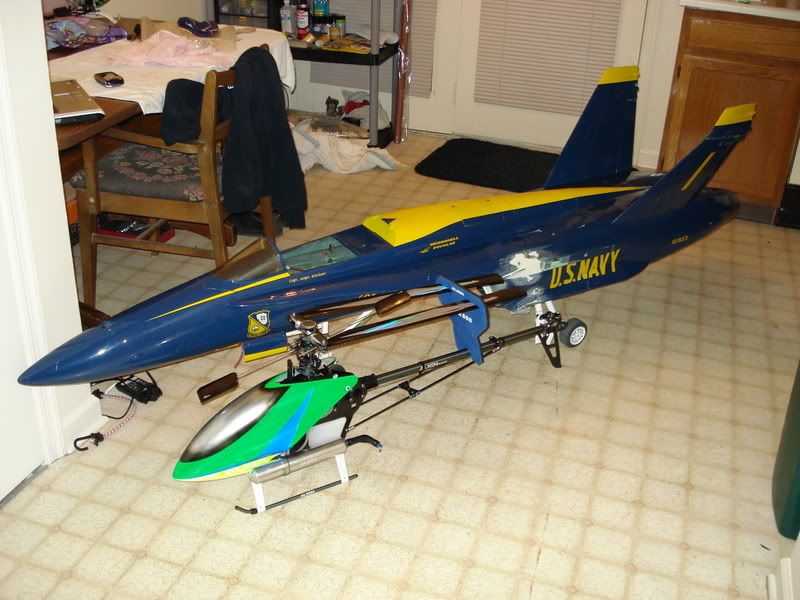
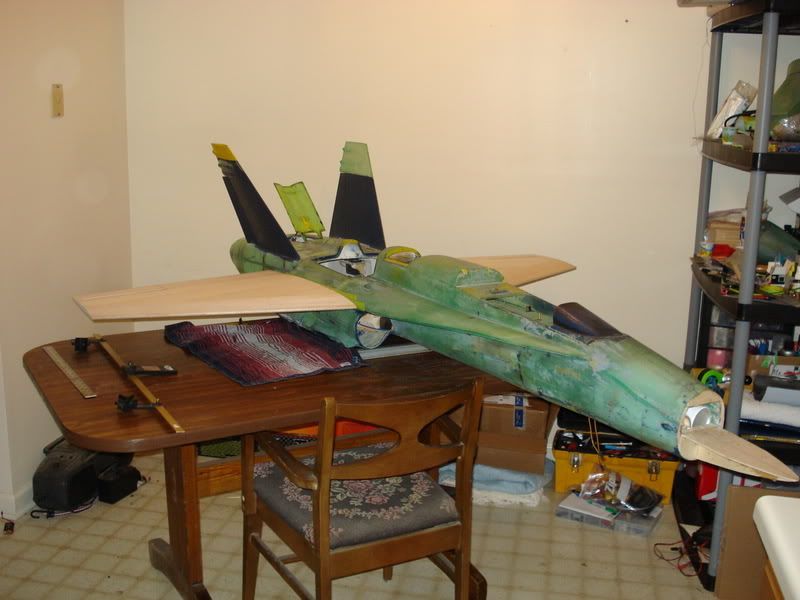
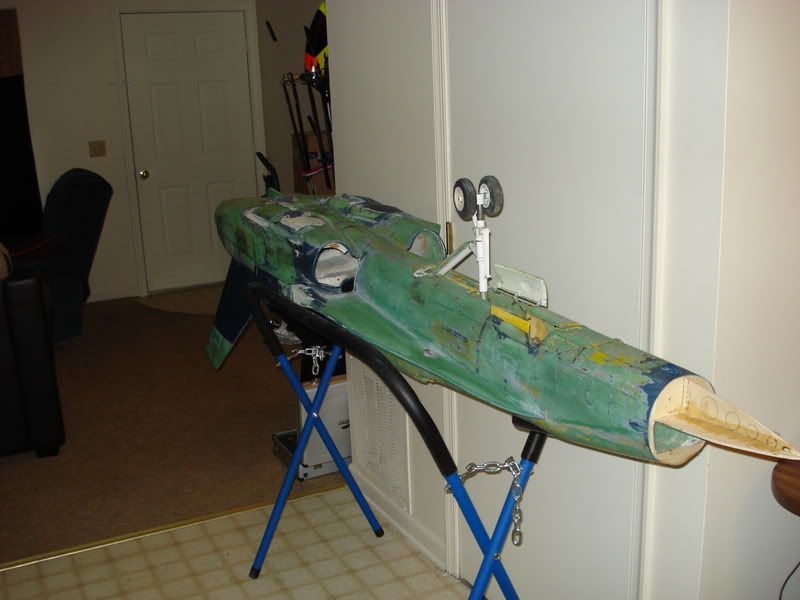
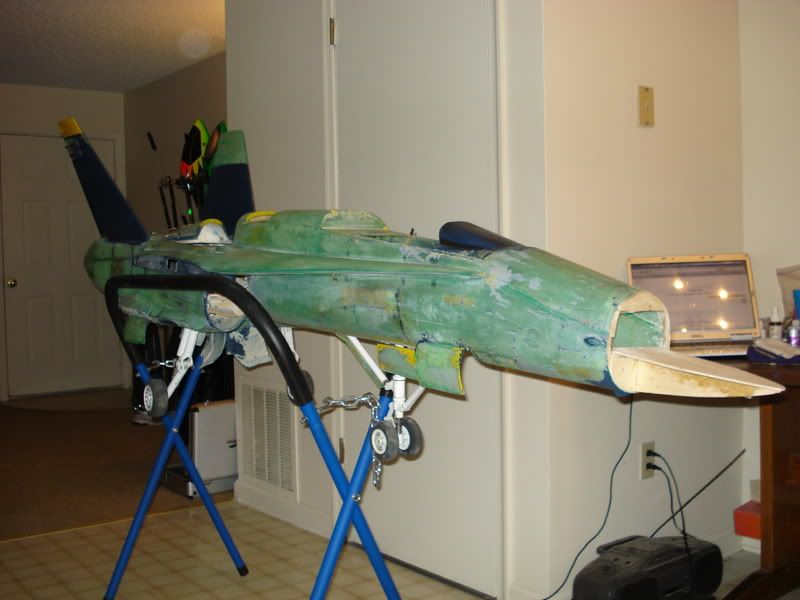
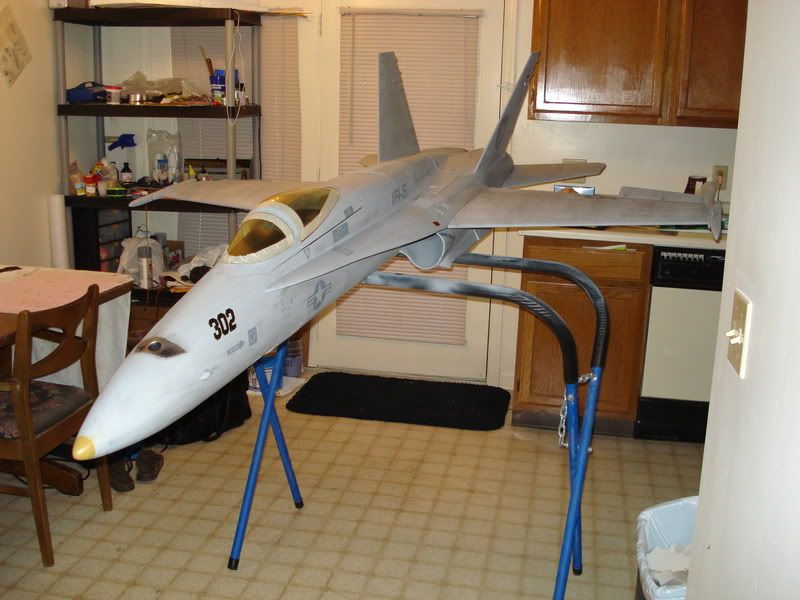
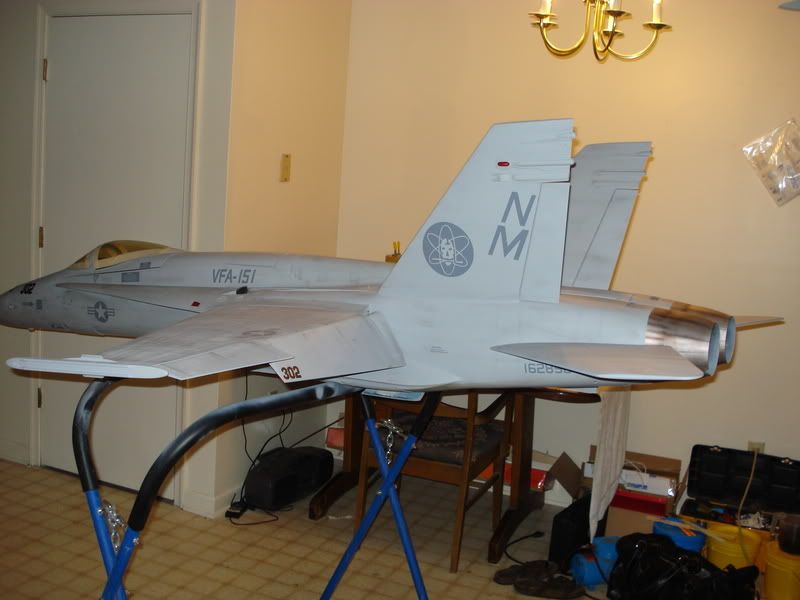
My project went as follows using Citri-Strip to strip the paint off:
 07-14-2008 | 12:59 PM
#13
RE: Removing Paint
invertmast, Outstanding job on the F-18! I have used Toluene in the past to remove paint(Lustrekote) from fiberglass but the fumes, mess and elbow grease were a major pain in my *****. So I did a search and saw your post. I figured it was worth the gamble and headed to Walmart and bought a jug of Citri-Strip for $11.37. Brushed it on and waited 20 minutes or so and started scraping. It took a few applications especially in the crevices (louvers) but in about an hour I had the cowl and belly pan from my Sukhoi completely stripped! Amazing stuff.
07-14-2008 | 01:22 PM
#14
 RE: Removing Paint
When I built plastic models and I had botched up the paint job, I would soak the model in hydraulic brake fluid. After a few minutes, the paint would peel off without damaging the plastic. The model was then rinsed with water, dried and resprayed. Worked great.
07-14-2008 | 04:20 PM
#15
My Feedback: (23)
RE: Removing Paint
Bass,
it definately works well! I know all to well of toulene. They use it to remove De-Ice boot adhesive off of the kingairs at work. not very "friendly" stuff either. Redline, i've seen Hydraulic fluid used before as well, but the mess isn't something i want to deal with, not to mention it would take a ton of it to get all the paint off my big F-18, and cost more than the citristrip stuff. not to mention it doesn't smell as good either! lol
it definately works well! I know all to well of toulene. They use it to remove De-Ice boot adhesive off of the kingairs at work. not very "friendly" stuff either. Redline, i've seen Hydraulic fluid used before as well, but the mess isn't something i want to deal with, not to mention it would take a ton of it to get all the paint off my big F-18, and cost more than the citristrip stuff. not to mention it doesn't smell as good either! lol
07-14-2008 | 06:29 PM
#16
Thread Starter
My Feedback: (14)
RE: Removing Paint
i tried the citri-strip on a gear door of mine to test it, and it took the clear off well, but i let some sit on there for a couple of hours and it barely made the primer soft. how long are most people leaving it on there?
07-14-2008 | 06:45 PM
#17
RE: Removing Paint
I also noticed the primer seemed to need an extra application or two as it was a little hardier. I just let each subsequent application sit for 15 or twenty minutes and used a plastic scraper and in tougher areas (louvers) I use one of those synthetic wool type scrapper pads dunked in the Citri- Strip. Once the primer strarts to lift it just gets softer and easier to scrape/peel off. I just finished re priming my Cowl and belly pan and couldn't be happier.


