


Electronic solutions to modifying glow engines of all sizes to gasoline
 03-26-2026 | 01:45 PM
#2876


Thanks for the explanation regarding the air bleed screw. I will work with that next time I run the motor. I think people have recommended running the motor for at least an hour on gas before putting it on a plane.
The syringe idea is a good. I had thought about using an old small nitro fuel tank for a crap trap. What do you use to plug the syringe?
Thanks
The syringe idea is a good. I had thought about using an old small nitro fuel tank for a crap trap. What do you use to plug the syringe?
Thanks
 03-26-2026 | 02:21 PM
#2877
 make sure you do a range check first
Since you have a servo on your test stand it might be a good idea to use that to test for interference.
Take the receiver you are going to use in the plane to control the throttle servo.
Program "fail save" so that the engine is stopped when the receiver looses signal.
Then fist do a range check (some transmitters have a reduced power setting for that) without the engine running.
Mark the distance you get before you loose signal.
Then do it again while the engine is running.
If the range is less with the engine running its likely your ignition system causing interference.
Better test this on the ground outside the model before you risk your plane.
Take the receiver you are going to use in the plane to control the throttle servo.
Program "fail save" so that the engine is stopped when the receiver looses signal.
Then fist do a range check (some transmitters have a reduced power setting for that) without the engine running.
Mark the distance you get before you loose signal.
Then do it again while the engine is running.
If the range is less with the engine running its likely your ignition system causing interference.
Better test this on the ground outside the model before you risk your plane.
03-26-2026 | 05:17 PM
#2878
03-27-2026 | 12:25 PM
#2879
I was reading another thread and Bert, you stated air bleed carbs were not suitable for gas conversion unless you were using your solenoid device. My OS seemed to run pretty well with the air bleed carb. I didn’t run it long and didn’t really try to fine tune it so please let me know why I may be wasting my time with my air bleed carb. Your experience is appreciated. Thanks.

 03-27-2026 | 04:20 PM
#2883
I was reading another thread and Bert, you stated air bleed carbs were not suitable for gas conversion unless you were using your solenoid device. My OS seemed to run pretty well with the air bleed carb. I didn’t run it long and didn’t really try to fine tune it so please let me know why I may be wasting my time with my air bleed carb. Your experience is appreciated. Thanks.
This makes finding a good tune next to impossible, even though on the bench the engine appears to run OK. In the air, conditions change, and any issue with carburation will present itself rather clearly.
A twin needle carb has a much smoother transition between full throttle mixture and the lower throttle regions, and that is allready near impossible to find a decent tune (with the exception of the SuperTigre carburettors, or maybe the Lötterle, but those are very exotic and nowadays extremely hard to find).
The airbleed principle does not lend itself to modification (grinding the slanted groove), since there IS no slanted groove to grind

Leaves only the solenoid solution.
Twin needle carbs can be modified, but that is a bit of a hit&miss affair. Once you have done a few, it is not too difficult, but especially the first one is a matter of sheer luck.
I made the same mistake initially, thinking the engine ran well on the ground, and taking it to the air, well... it flew, but was not much fun: Throttle response during landings and go-arounds is more important than one is led to believe when being used to crisp responses...
And the mess a poor mixture makes also stops being fun rather quickly...
03-28-2026 | 03:55 AM
#2884
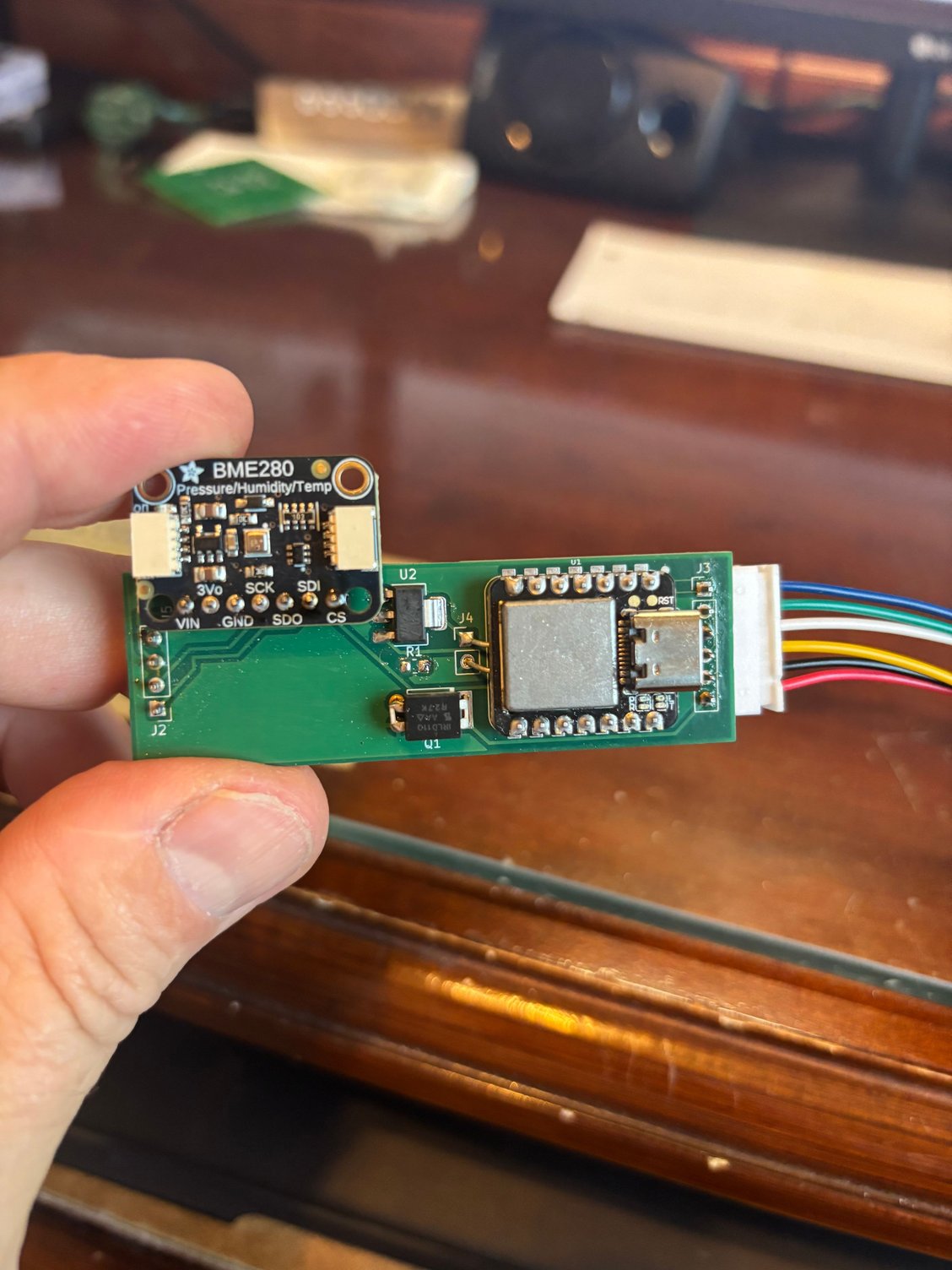
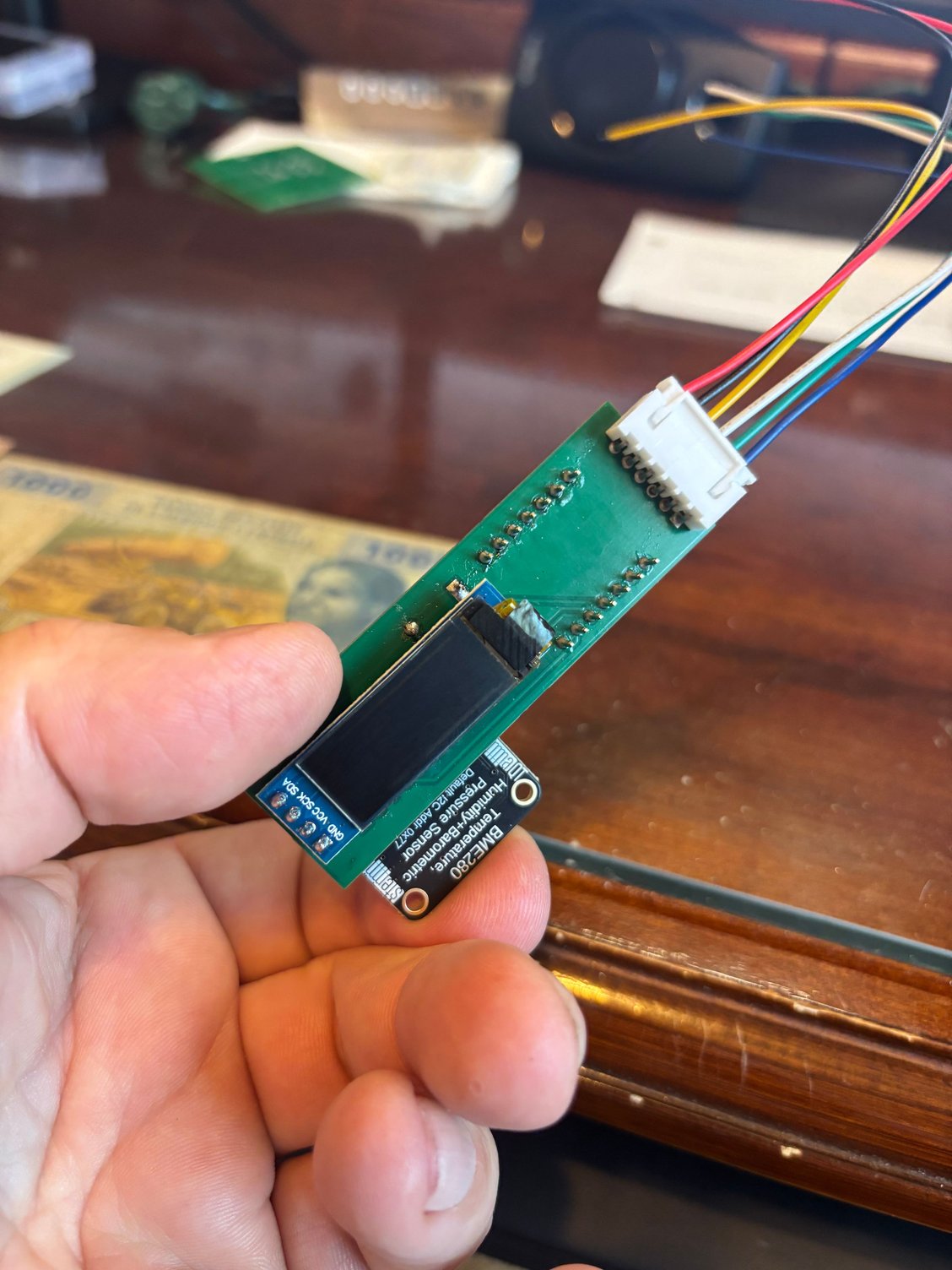
Has anyone observed odd behavior when using additional telemetry devices with the controller? I have the Seeeduino controller daisy chained with an Advanced Telematics AT-V1 RPM/Temp/Volt board. The AT-V1 uses an Arduino Pro Mini board. I have used the AT-V1 in several airplanes and works fine with other FrSky Telemetry devices
When both devices are connected, the controller pulse width measurements are very noisy, changing as much as 600 us. I have been trying resolute this issue with averaging and using other measurement methods. I accidently discovered if I remove the AT-V1 everything works as expected. In the setup I am using the AT-V1 is powered from the radio, power, ground and SPOT wire, the controller is powered from the USB plug, the positive wire is removed from the RC Channel plug and a single SPORT wire is connected to the AT-V1.
I was able to rewrite the code on the AT-V1 use the SPORT library but have yet to try that combination.
When both devices are connected, the controller pulse width measurements are very noisy, changing as much as 600 us. I have been trying resolute this issue with averaging and using other measurement methods. I accidently discovered if I remove the AT-V1 everything works as expected. In the setup I am using the AT-V1 is powered from the radio, power, ground and SPOT wire, the controller is powered from the USB plug, the positive wire is removed from the RC Channel plug and a single SPORT wire is connected to the AT-V1.
I was able to rewrite the code on the AT-V1 use the SPORT library but have yet to try that combination.
Last edited by Tony Hallo; 03-28-2026 at 03:58 AM.
03-28-2026 | 04:30 AM
#2885
 What if the needle could be controlled with a servo?
Years ago there was a mixture control system called "carb smart" by a British company "csm"
It had a temperature sensor that you would glue in the engine head fins.
Simplified it would make the engine run richer if it got to hot and leaner when to cold by turning the high speed needle with a servo.
Tried one but never got it to work well mainly because i run low nitro fuel that makes the engine run hotter then with more nitro.
OS also used to sell (or might still do) a replacement needle that has the lever already build in.
So there is some history of controlling engine mixture remotely if with a relative primitive system.
Since then servo performance has improved a lot. Especially servo's intended for helicopter tail rotor control have become both fast and precise.
If you enjoy experimenting and do not mind "wasting" a bit on buying a tail rotor servo to control your main needle .
Make sure there is no play in the link between the servo and the needle. (use ball joint and a stiff push-rod) and choose a servo with minimal gear play.
What you could try is to divide your throttle "range" in for example 10 steps.
Run the engine test setup and for each of those steps on your transmitter adjust the mixture for a good running engine at that position.
Create a mixing curve on your transmitter using the result of your test.
You might end up with a "mechanical" version of the mixture control system.
Would it work? no idea; electronic will be faster and likely more accurate then the servo needle control system.
But it might be "good enough" and the only way to know is to try.
It had a temperature sensor that you would glue in the engine head fins.
Simplified it would make the engine run richer if it got to hot and leaner when to cold by turning the high speed needle with a servo.
Tried one but never got it to work well mainly because i run low nitro fuel that makes the engine run hotter then with more nitro.
OS also used to sell (or might still do) a replacement needle that has the lever already build in.
So there is some history of controlling engine mixture remotely if with a relative primitive system.
Since then servo performance has improved a lot. Especially servo's intended for helicopter tail rotor control have become both fast and precise.
If you enjoy experimenting and do not mind "wasting" a bit on buying a tail rotor servo to control your main needle .
Make sure there is no play in the link between the servo and the needle. (use ball joint and a stiff push-rod) and choose a servo with minimal gear play.
What you could try is to divide your throttle "range" in for example 10 steps.
Run the engine test setup and for each of those steps on your transmitter adjust the mixture for a good running engine at that position.
Create a mixing curve on your transmitter using the result of your test.
You might end up with a "mechanical" version of the mixture control system.
Would it work? no idea; electronic will be faster and likely more accurate then the servo needle control system.
But it might be "good enough" and the only way to know is to try.
03-28-2026 | 05:31 AM
#2886
I was wondering if the air bleed valve could be used to solve the problem? With an air bleed carb can you set a reliable idle that works in the air? Is the problem the mid range? If the mid range is the problem wouldn’t the air bleed valve at least improve it. I know what’s it’s like to be going around multiple times on landings. I joke about that’s what the cut off switch is for. Most of the guys in my club are flying smaller cub models with the Saito gas 4 strokes. They dead stick quite a bit. I was hoping to get a 10cc nitro engine that converts and is reliable. The small cubs come in relatively quick even on idle and the plane just keeps ongoing even on the ground. We run out of runway. I actually added skis to my plane to create more drag on the ground. I don’t need a high performance engine just one that is reliable. Thanks for the explanation.
03-28-2026 | 05:36 AM
#2887
Xanaphyst
I am not responding to your posts because I don’t understand them. Your work looks very good. If I understood it better maybe I could contribute but I want to offer you encouragement to keep pursuing your goal.
I am not responding to your posts because I don’t understand them. Your work looks very good. If I understood it better maybe I could contribute but I want to offer you encouragement to keep pursuing your goal.
The following users liked this post:
xanaphyst (03-28-2026)
03-28-2026 | 05:55 AM
#2888
Cat1
I was wondering if you have a 2 stroke engine with an air bleed carb that you could try your air bleed valve on it to see if you achieve a satisfactory result. I still have to make and set up an air bleed valve before I can try it. If you can do that I would appreciate it. Thanks
I was wondering if you have a 2 stroke engine with an air bleed carb that you could try your air bleed valve on it to see if you achieve a satisfactory result. I still have to make and set up an air bleed valve before I can try it. If you can do that I would appreciate it. Thanks
 03-28-2026 | 08:59 AM
#2892


My Feedback: (17)
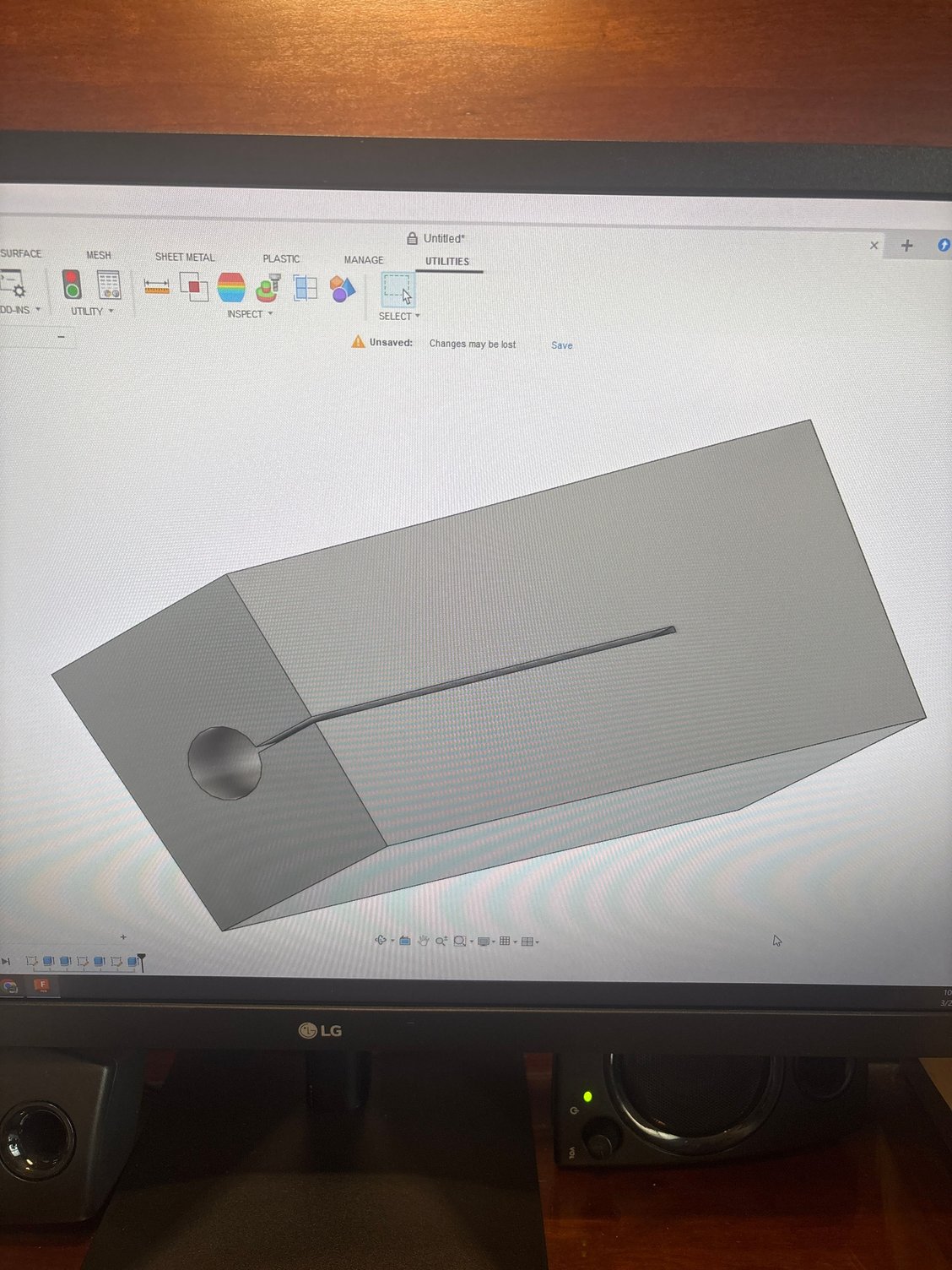
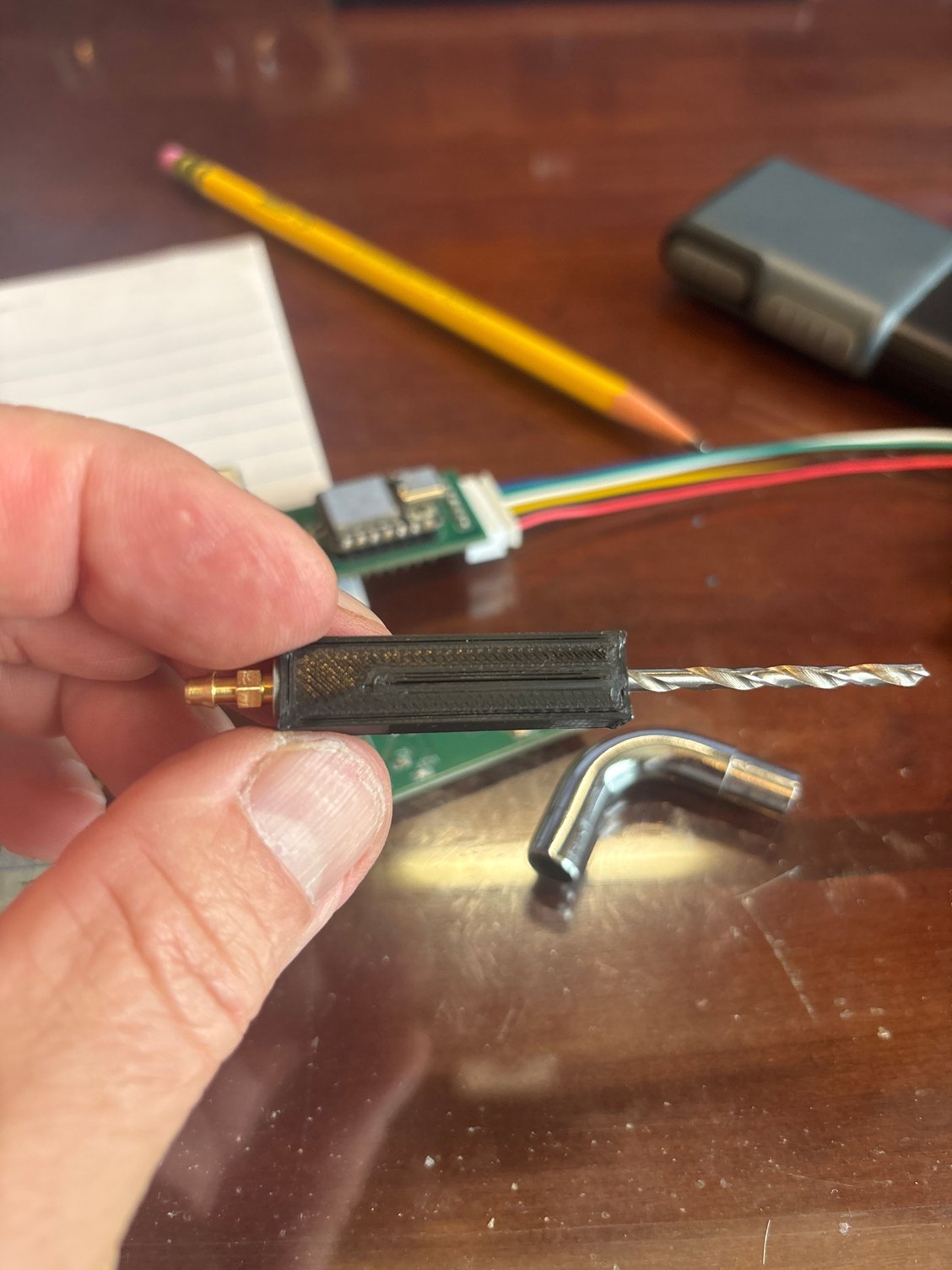
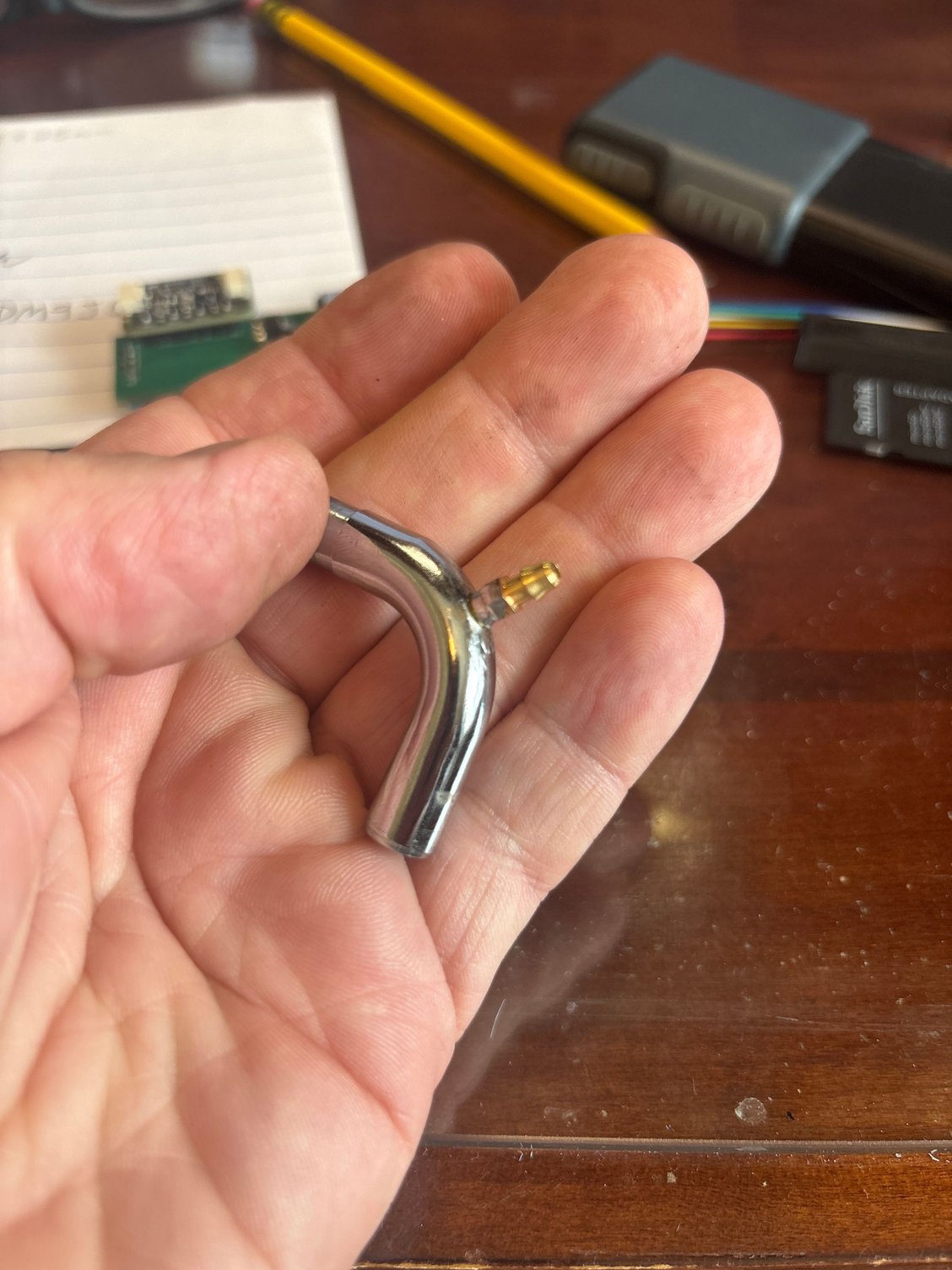
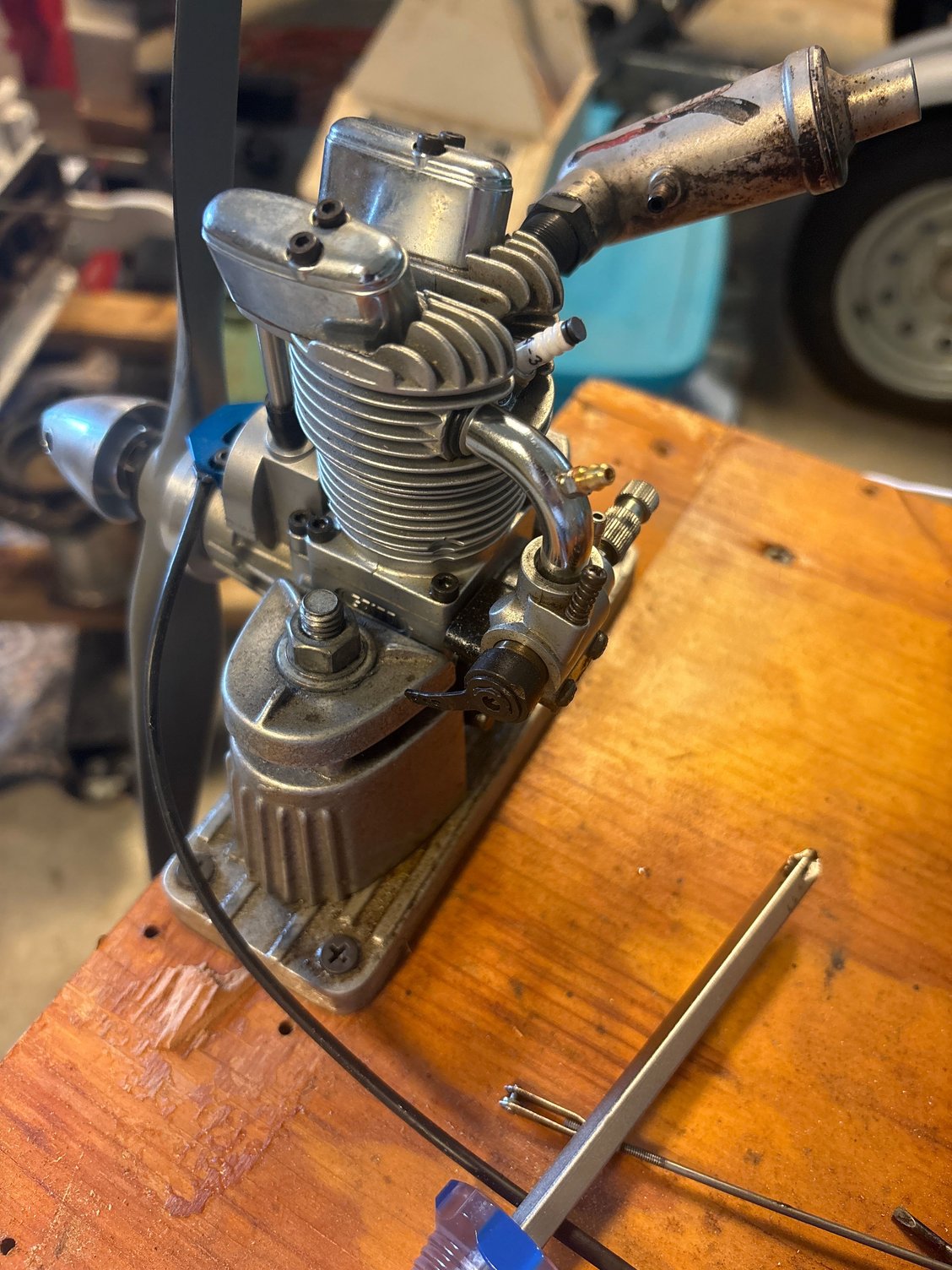
I don’t have a housing yet for my electronic solinoid so I’m moving to method 2 for now and working on a mechanical air bleed intake. This item gets mixed to the throttle channel on a separate servo and controls the air in the mixture to assist the carb with its job.
 03-28-2026 | 09:51 AM
#2895
check if the plastic is petrol resistant
One thing is that they are known to be sensitive for dirt including oil left behind after running.
Look up how to clean them and start with that.
On the perry site there is a reference list that shows the recommended model of carb for the various engines.
If the carb fits make sure to use a new or at least known good "o" ring between the carb and the crankcase.
"false air" leaks are a pain to diagnose so better avoid them.
Regarding the air bleed system carb.
The bleed hole setting is one single fixed setting.
The chance this single setting is both correct for the idle and the mid range is relative small (not impossible though)
Glow fuel has a much wider "range" that is "good enough" for the engine to keep running.
Petrol is more demanding.
Try and see what happens is the simplest way to be sure; you might find something that could be useful for all of us
 03-28-2026 | 10:07 AM
#2896
Thanks for everyone’s comments and suggestions. I’m going to try a bunch of things. I have other carbs that I can switch out. I do need to get some o rings to stop the unwanted air activity.
xanaphyst I like your air bleed concept. I guess at this point the mechanism is manual? Meaning slide the drill bit in and out. I hope you have success in then making it programmable. I’m trying to avoid the solenoid route. How soon will you be able to test your set up?
xanaphyst I like your air bleed concept. I guess at this point the mechanism is manual? Meaning slide the drill bit in and out. I hope you have success in then making it programmable. I’m trying to avoid the solenoid route. How soon will you be able to test your set up?
03-28-2026 | 10:14 AM
#2897
When I ran my OS engine with the Stirlingkit CDI I attached an electronic tachometer to it using a Y connector to the hall sensor line. It worked. Which means you should be able to obtain rpm data using a Y connector to possibly a arduino or 32 chip. Then you could program your controls to try to match rpm’s through your throttle curve. It is easy for me to suggest that but I’m sure more difficult to actually accomplish.
03-28-2026 | 10:30 AM
#2898
This is the os "remote needle" setup
This is how the needle setting can be changed from the transmitter.
Note that in this setup the servo is a 3001 standard servo which is slow and imprecise.
That is good enough to adjust the needle from the transmitter before takeoff on this glow engine but unlikely to be

OS remote Needle setup
suitable for a petrol conversion.
Note that in this setup the servo is a 3001 standard servo which is slow and imprecise.
That is good enough to adjust the needle from the transmitter before takeoff on this glow engine but unlikely to be
OS remote Needle setup
suitable for a petrol conversion.
03-28-2026 | 10:37 AM
#2899
Check the voltages
When I ran my OS engine with the Stirlingkit CDI I attached an electronic tachometer to it using a Y connector to the hall sensor line. It worked. Which means you should be able to obtain rpm data using a Y connector to possibly a arduino or 32 chip. Then you could program your controls to try to match rpm’s through your throttle curve. It is easy for me to suggest that but I’m sure more difficult to actually accomplish.
The esp 32 series want a 3.3 volt level signal and might be damaged by a 5 volt signal.
To make this work a "level shift" circuit needs to be put in between to make 3.3v out of the 5 volt.hall sensor output
https://www.espboards.dev/sensors/ky-051/ is a example that could work.
03-28-2026 | 02:22 PM
#2900

Been away a while and for some reason wasn't getting notifications. I come back and see this. WELL DONE. it's great seeing this project continuing to be developed. I'll try to drop by more often.

