


Yellow F-18 Twin pointers and control throws.
 07-10-2018 | 02:39 PM
#1
Thread Starter

My Feedback: (12)
 Yellow F-18 Twin pointers and control throws.
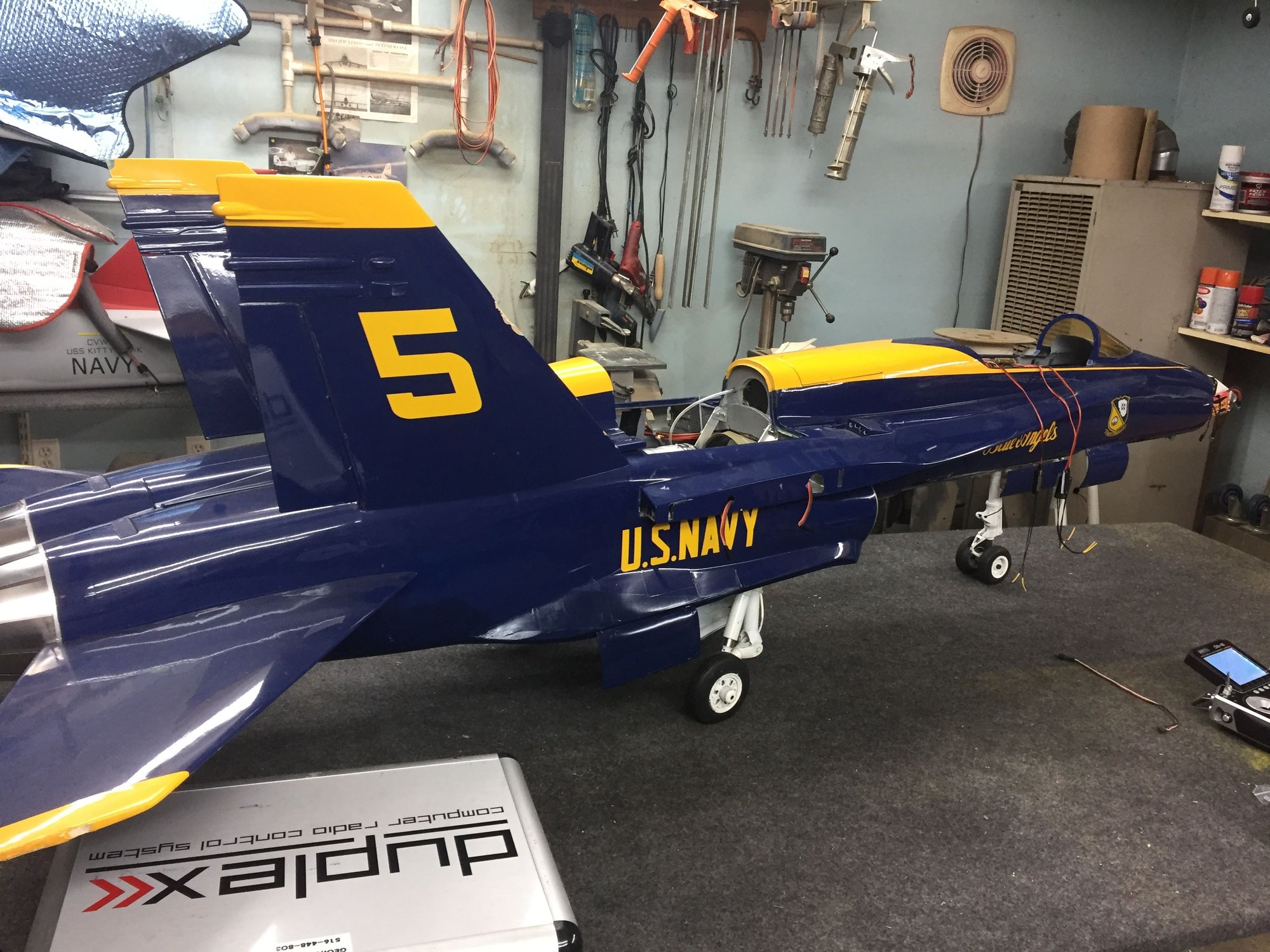
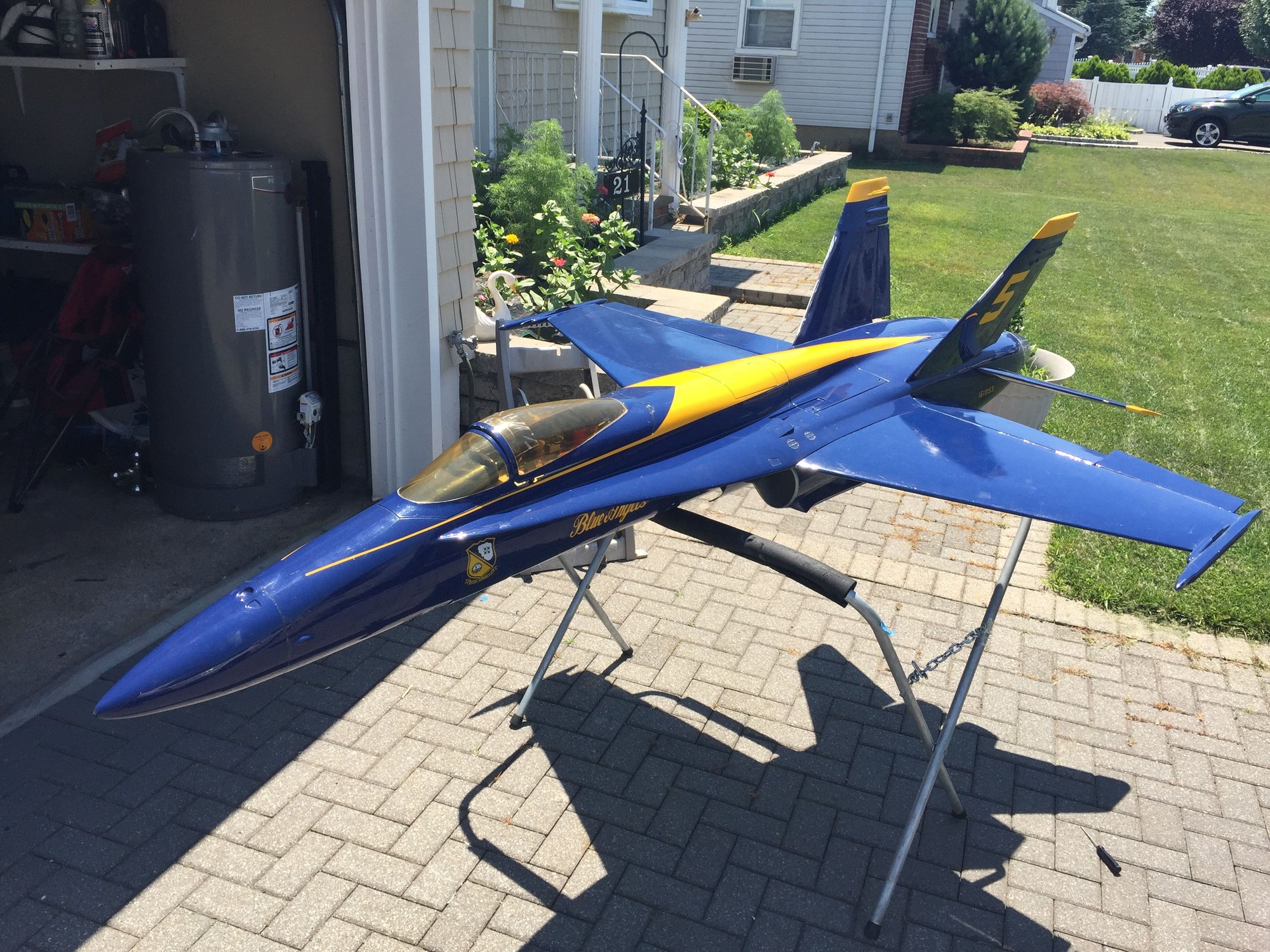
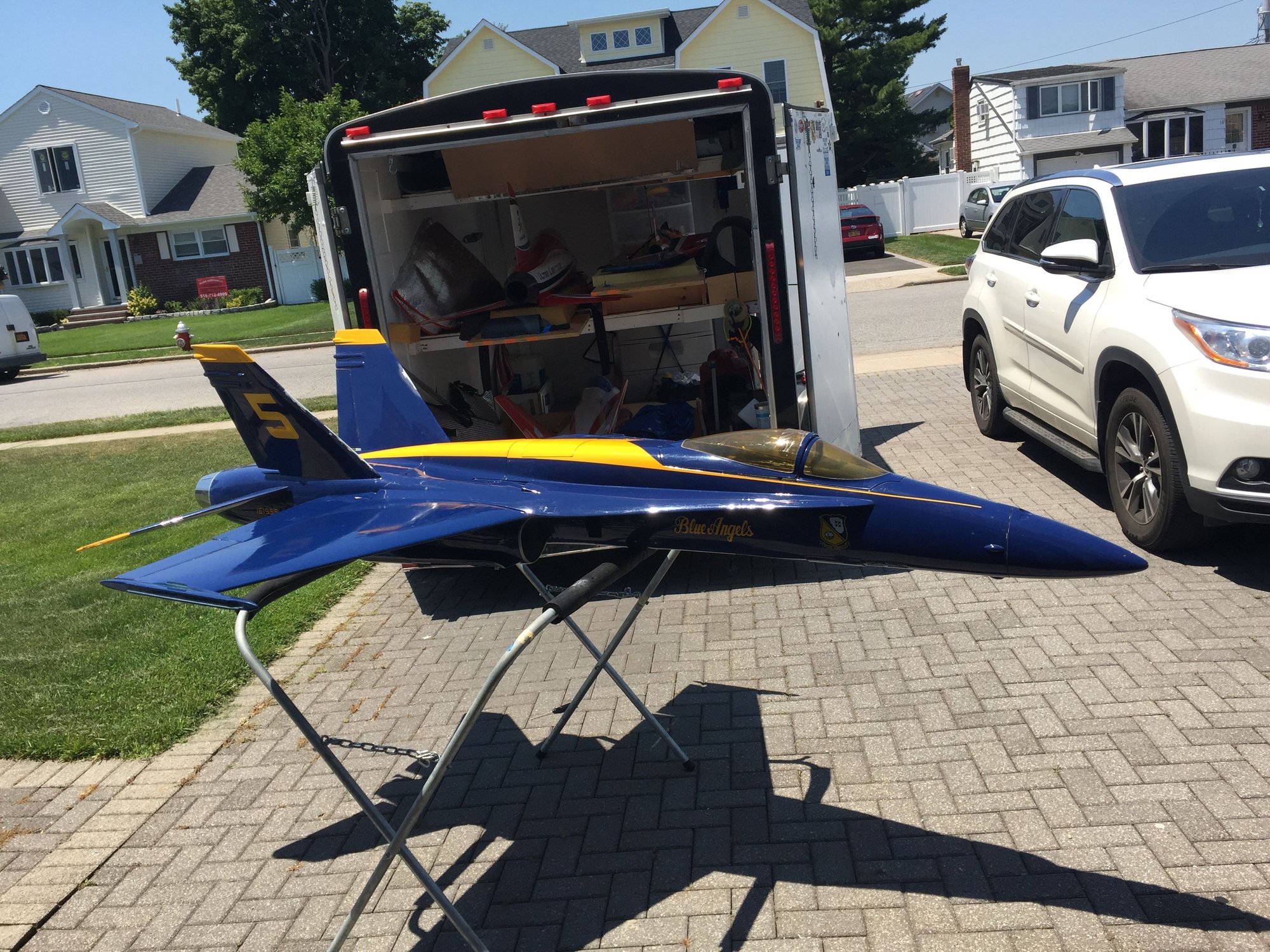
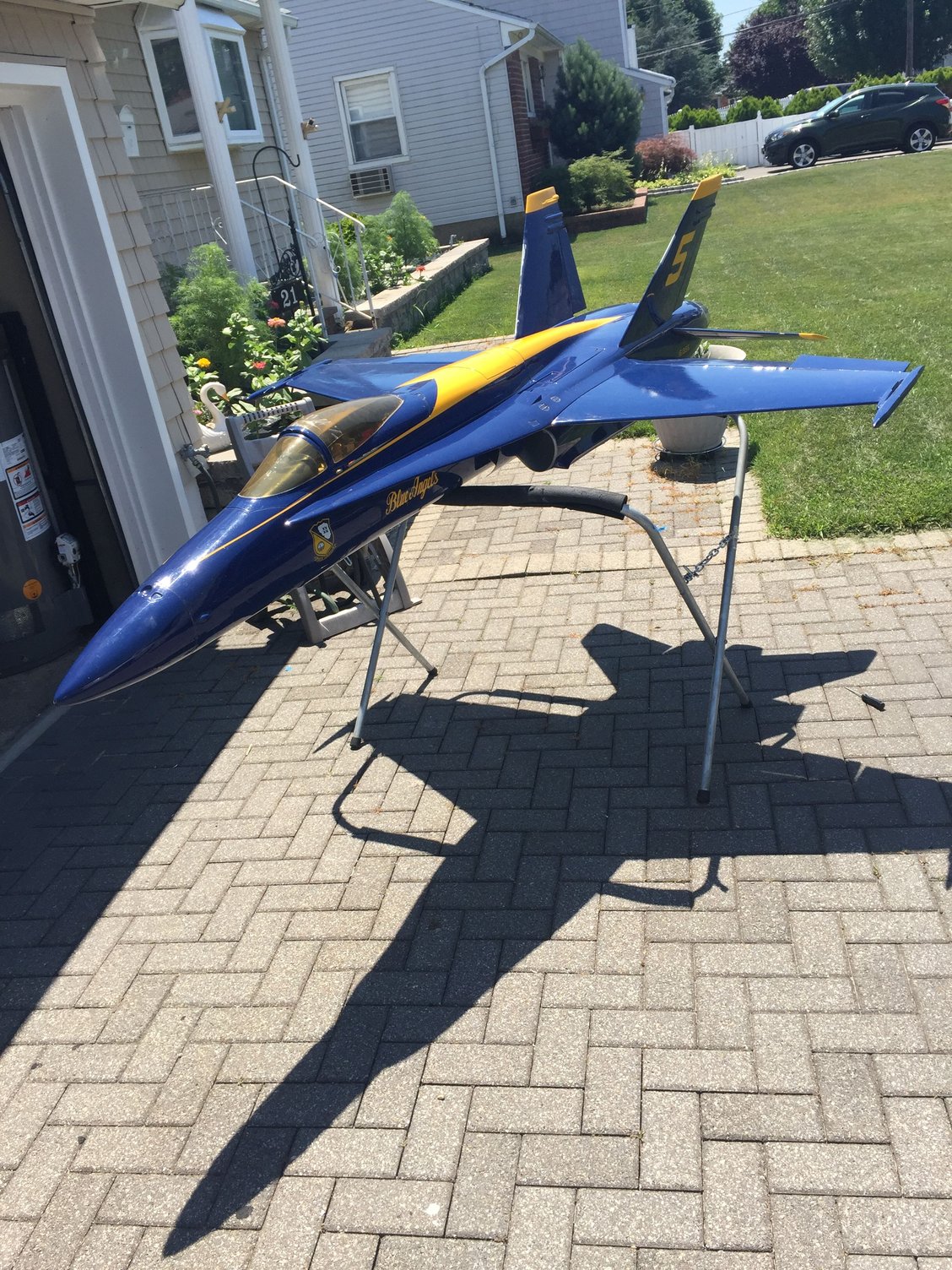
Got a great deal a few years ago and finally got around to finish it with the help of a friend. Has a few bumps and bruises but overall beautiful plane. Any last min pointers and throw setting will be greatly appreciated.



The following users liked this post:
uncleTom (11-18-2023)
11-13-2023 | 03:07 AM
#9

Joined: Sep 2011
Posts: 18
Likes: 0
Received 0 Likes
on
0 Posts
From: MóstolesMadrid, SPAIN
Hello, I have purchased a yellow F-18, I think it is the twin, although it comes with a bench prepared for a single engine and a Y-shaped exhaust pipe (2800mm long)
I have been looking for the assembly manual for this model for some time without any results. Does anyone have this manual or know where to get it?
Thank you very much in advance
I have been looking for the assembly manual for this model for some time without any results. Does anyone have this manual or know where to get it?
Thank you very much in advance
11-16-2023 | 09:54 AM
#10

My Feedback: (14)
The only other thing I'd add after watching dozens of maiden flight videos of F-18s (Yellow and others) and having flown my own .. is to make absolutely sure that the wing's angle of attack is positive on the takeoff roll. Not just standing still with power off but with the engine powered up for the takeoff roll. You can see the nose dip when power comes on. On my Yellow twin this required a much stiffer nose gear spring than stock (the Yellow nose gear has a clever two-spring arrangement).
The reason for this is simple .. since the F-18 is a Navy aircraft, the main gear are well behind the CG to prevent the tail striking the deck while parked in rough seas. Thus to rotate the aircraft from takeoff roll to flight, a LOT of downforce is required in the stab. Just push it down while the plane is sitting on the ground. You will be amazed how hard you have to push to get the nose up. It's dramatic! Anyway, if the nosegear springs are compressed and the wing AoA is negative you have to get going REALLY fast, with full up elevator to unstick the aircraft from the ground, at which point it rotates instantly and goes almost vertical. A good (but unintentional!) test of pilot reflexes to save the aircraft ensues.
This "really fast then jumping almost to vertical" pattern is a common feature of F-18 maidens. It's easy to avoid .. just make SURE the wing remains at positive AoA through the takeoff roll .. hold half up elevator on the roll and the plane will take off on its own.
All the best for a great maiden .. it's a really nice machine!
Dave
The reason for this is simple .. since the F-18 is a Navy aircraft, the main gear are well behind the CG to prevent the tail striking the deck while parked in rough seas. Thus to rotate the aircraft from takeoff roll to flight, a LOT of downforce is required in the stab. Just push it down while the plane is sitting on the ground. You will be amazed how hard you have to push to get the nose up. It's dramatic! Anyway, if the nosegear springs are compressed and the wing AoA is negative you have to get going REALLY fast, with full up elevator to unstick the aircraft from the ground, at which point it rotates instantly and goes almost vertical. A good (but unintentional!) test of pilot reflexes to save the aircraft ensues.
This "really fast then jumping almost to vertical" pattern is a common feature of F-18 maidens. It's easy to avoid .. just make SURE the wing remains at positive AoA through the takeoff roll .. hold half up elevator on the roll and the plane will take off on its own.
All the best for a great maiden .. it's a really nice machine!
Dave
11-16-2023 | 11:11 PM
#11
Joined: Sep 2011
Posts: 18
Likes: 0
Received 0 Likes
on
0 Posts
From: MóstolesMadrid, SPAIN
Thank you very much Dave for these tips, which will undoubtedly be very useful and these interesting things are not usually told by the manufacturer in the manual. (which I am waiting for a kind friend of the RCU forum, Ladi River, to send it to me) .
The same thing that you tell me happens to another of my planes, the Airword F-5.
Again, thank you very much for the advice!
The same thing that you tell me happens to another of my planes, the Airword F-5.
Again, thank you very much for the advice!


