


Aileron AS Flaps together How?
 11-28-2019 | 05:36 AM
#1

 Aileron AS Flaps together How?
I recently saw a newly sold RC electric cub type plane - no separate flaps, it stated in the specifications the aileron's can be set to also to be used as flaps. I figure if that is just a radio setting and you do set it so the flap switch turns on { do you lose the ailerons in that switch mode when coming in for a nice landing, or does it turn your aileron's in to just up and down straight across movement like real flaps work , I would think you would still need some aileron function to keep the plane steady on landings even if the ailerons Both sides went down a little in the flap switched mode whats going on with this set up -can any one explain it to me.  I believe it was a HZ sport cub
I believe it was a HZ sport cub
Last edited by suzonka; 11-28-2019 at 05:38 AM. Reason: added something
 11-28-2019 | 06:16 AM
#2


My Feedback: (11)
The function is called Flapperons
You need a radio that supports it and a receiver with an extra channel so that each aileron has its own servo that is plugged into a unique channel. Then you enable the mixing and the ailerons lower as flaps but still work as ailerons.
You need a radio that supports it and a receiver with an extra channel so that each aileron has its own servo that is plugged into a unique channel. Then you enable the mixing and the ailerons lower as flaps but still work as ailerons.
11-30-2019 | 01:37 PM
#4
Since you didn’t mention any specific brand of transmitter, I keep to some general comments about flaperons. On a powered plane with full length ailerons (strip ailerons), flaperons should be used with caution. Deflecting them downward too much will make the plane unstable. The effect is not as pronounced on a high-wing plane but it is still there. Flaperons do help somewhat more for take-off as it gives greater lift in getting off a rough runway.
A greater benefit is to use the function on a plane that has conventional ailerons (ailerons on the outer part of the wing) and reflex them upwards for landing. This washes-out the wing tip making the wing more stable around the roll axis. It also reduces lift a bit. Both help considerably in landing on a gusty day.
Allan
A greater benefit is to use the function on a plane that has conventional ailerons (ailerons on the outer part of the wing) and reflex them upwards for landing. This washes-out the wing tip making the wing more stable around the roll axis. It also reduces lift a bit. Both help considerably in landing on a gusty day.
Allan
The following users liked this post:
suzonka (10-07-2023)
11-30-2019 | 08:28 PM
#5
flaps with ailerons
Since you didn’t mention any specific brand of transmitter, I keep to some general comments about flaperons. On a powered plane with full length ailerons (strip ailerons), flaperons should be used with caution. Deflecting them downward too much will make the plane unstable. The effect is not as pronounced on a high-wing plane but it is still there. Flaperons do help somewhat more for take-off as it gives greater lift in getting off a rough runway.
A greater benefit is to use the function on a plane that has conventional ailerons (ailerons on the outer part of the wing) and reflex them upwards for landing. This washes-out the wing tip making the wing more stable around the roll axis. It also reduces lift a bit. Both help considerably in landing on a gusty day.
Allan
A greater benefit is to use the function on a plane that has conventional ailerons (ailerons on the outer part of the wing) and reflex them upwards for landing. This washes-out the wing tip making the wing more stable around the roll axis. It also reduces lift a bit. Both help considerably in landing on a gusty day.
Allan
flaps
12-01-2019 | 03:02 AM
#6

I've set up flaperons on everything from scratch built foamies to a kit built Sig Somethin Extra.
I won't be doing it anymore. They really make the airplane less stable and turning has to be done carefully with good rudder technique. They're more hassle than fun IMO.
I won't be doing it anymore. They really make the airplane less stable and turning has to be done carefully with good rudder technique. They're more hassle than fun IMO.
12-01-2019 | 03:16 AM
#7
Flaps with ailerons Why?
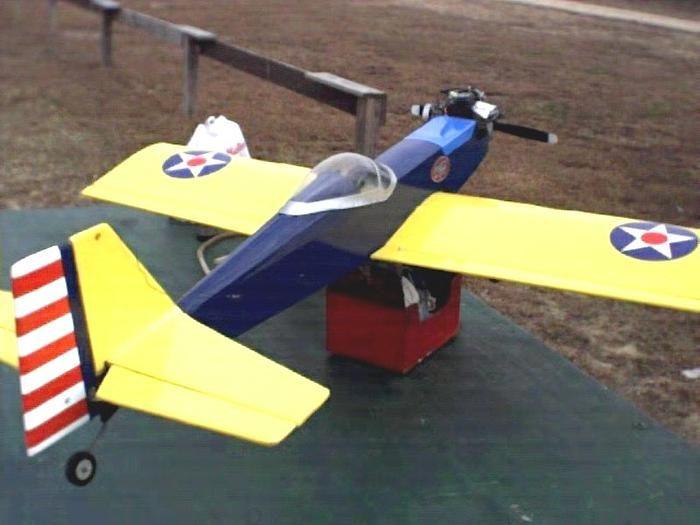
Sig kit 4 star Gas engine
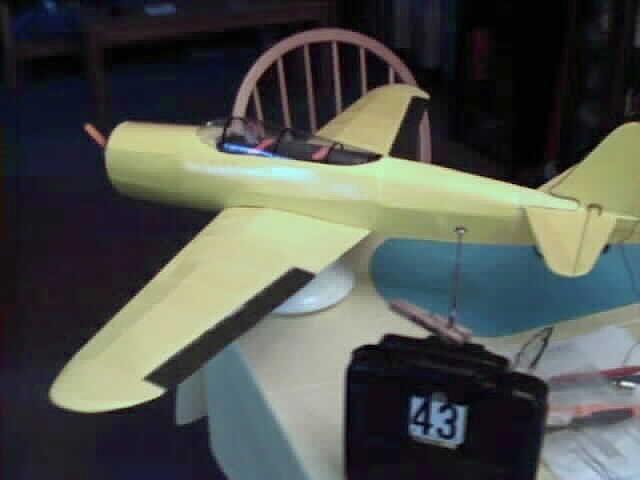
Balsa kit Zero modified electric
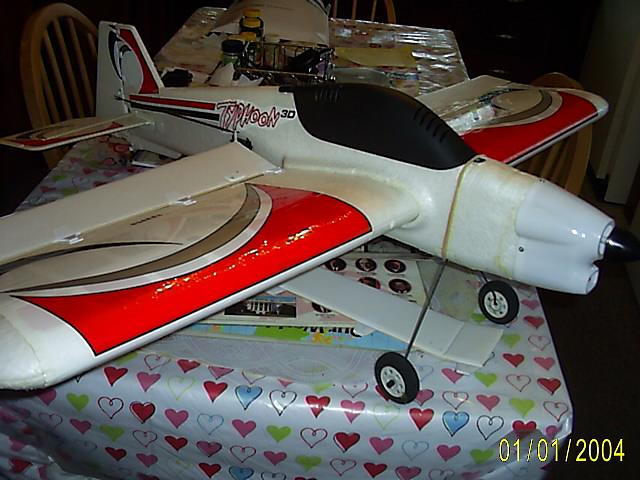
Typhoon acrobatic can hover good


