


My first 2X2 pattern plane construction
 08-24-2009 | 11:58 AM
#1
Thread Starter
Member
Joined: Dec 2008
Posts: 52
Likes: 0
Received 0 Likes
on
0 Posts
From: LiegeLiege, BELGIUM
 My first 2X2 pattern plane construction
I would like to tell you the story of the construction of my 2X2 pattern plane.
First, the construction of the wings
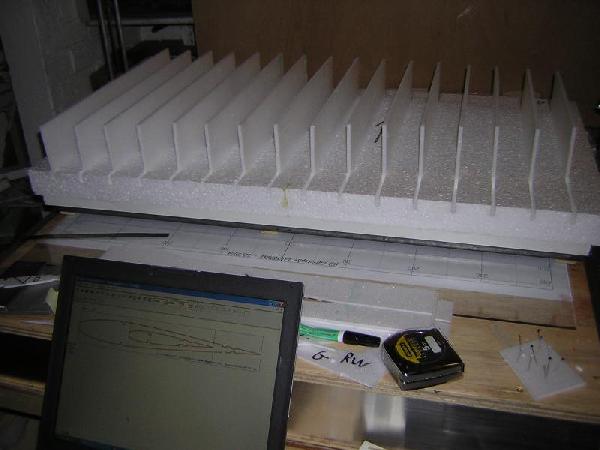
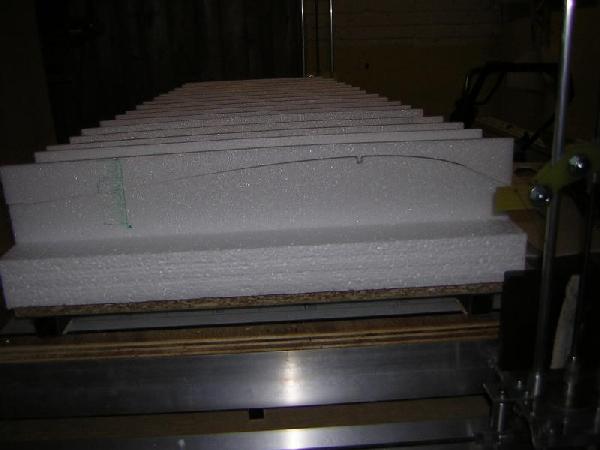
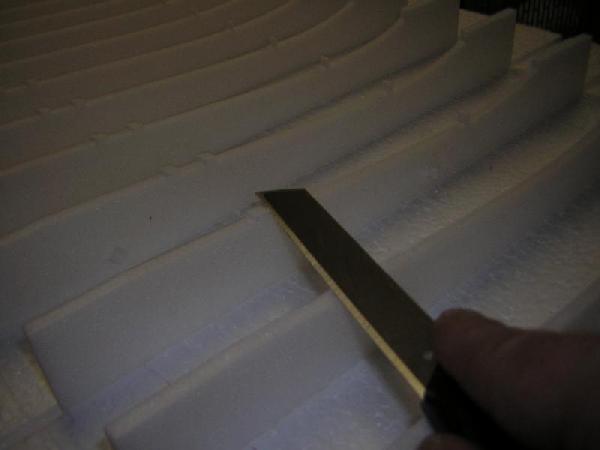
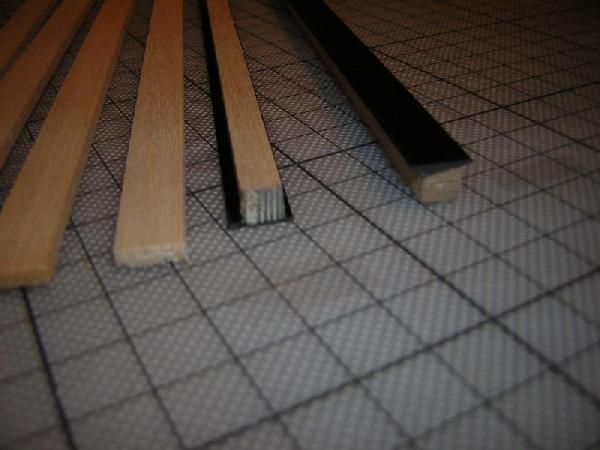
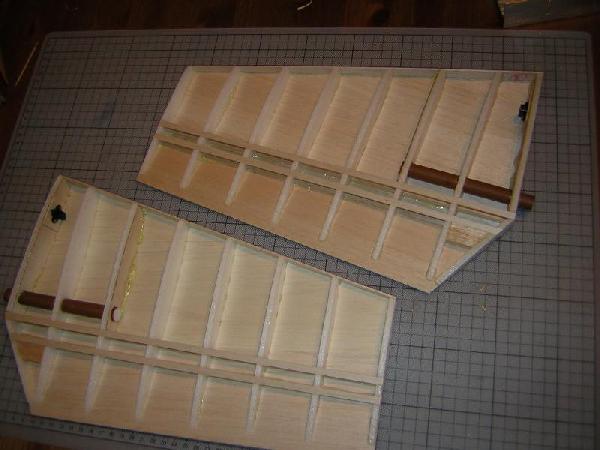
The rib are made of 6mm depron. I'm using a method derived from the laser method to cut the rib. A piece of depron are placed to form a comb. Afterward, the rib are cutted with a CNC hot wire. The rib situated at the extremities of the sheath are reenforced with 1.5mm plywood.
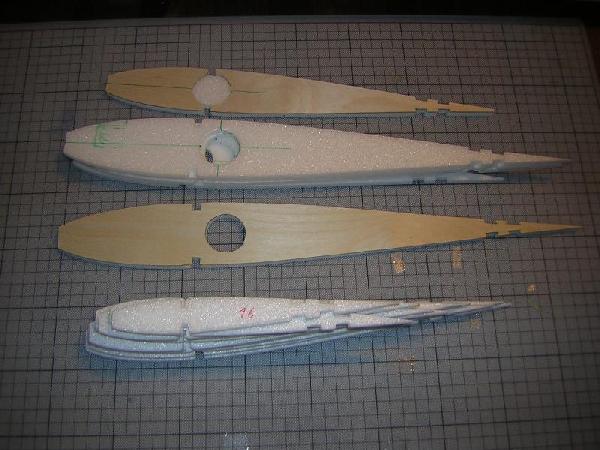
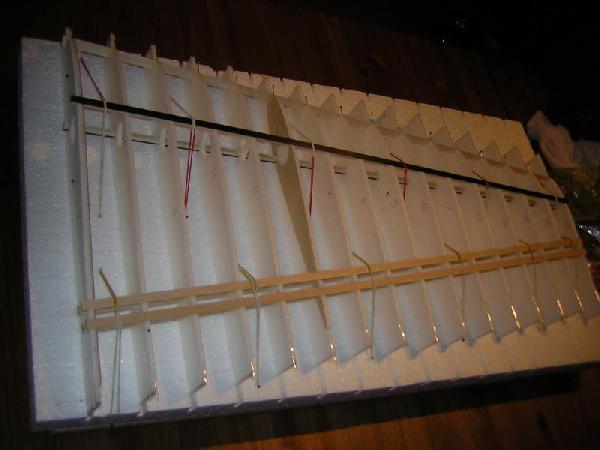
The rib are covered with 2mm balsa. The classical method.
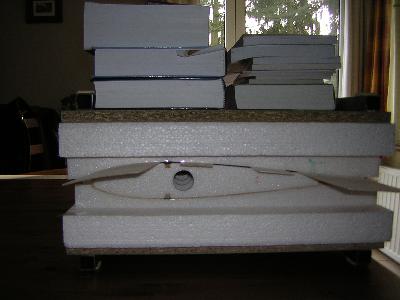
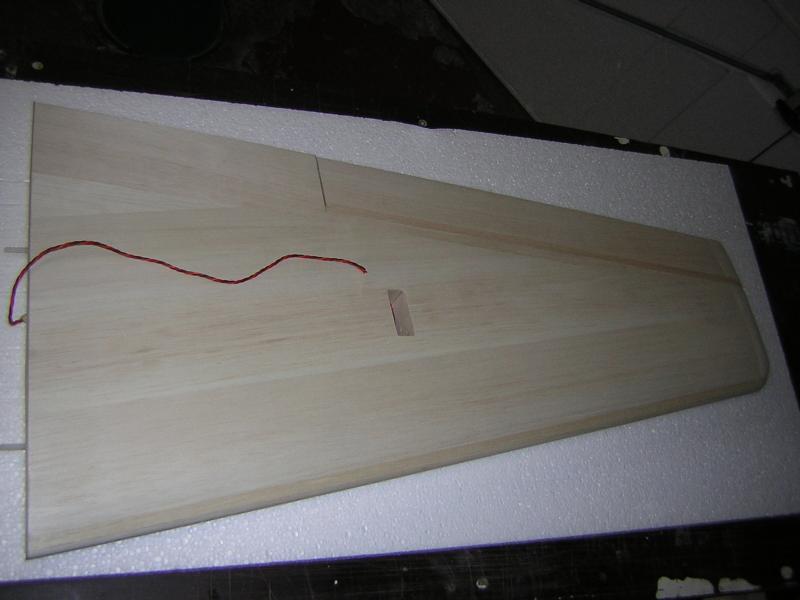
If there is some reactions about the construction, I will post some pictures about the rest of the construction.
[link=http://www.lumay.be]my personal website[/link]
First, the construction of the wings
The rib are made of 6mm depron. I'm using a method derived from the laser method to cut the rib. A piece of depron are placed to form a comb. Afterward, the rib are cutted with a CNC hot wire. The rib situated at the extremities of the sheath are reenforced with 1.5mm plywood.
The rib are covered with 2mm balsa. The classical method.
If there is some reactions about the construction, I will post some pictures about the rest of the construction.
[link=http://www.lumay.be]my personal website[/link]
 08-24-2009 | 03:33 PM
#4
Thread Starter
Member
Joined: Dec 2008
Posts: 52
Likes: 0
Received 0 Likes
on
0 Posts
From: LiegeLiege, BELGIUM
RE: My first 2X2 pattern plane construction
Ok if you are interested, I continue.
The wings are now complete (covering, servo,...) but I can not give you the weight right now. Probably tomorrow.
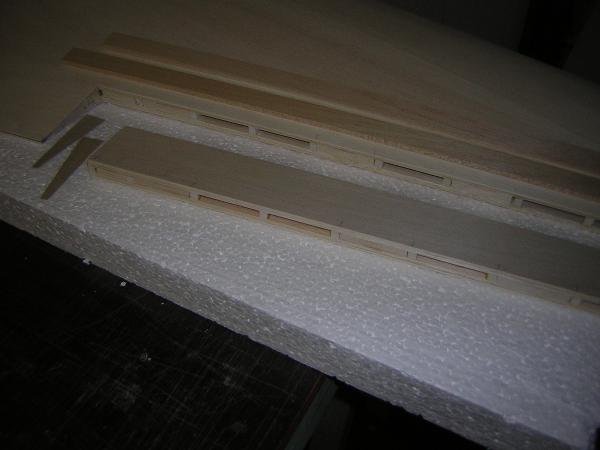
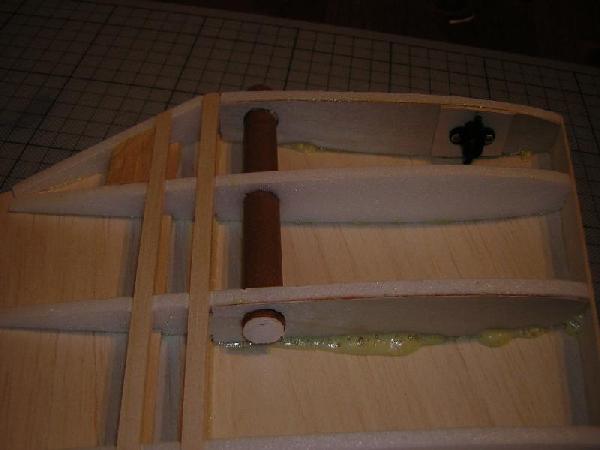
Some reenforcement for the aileron hinge:
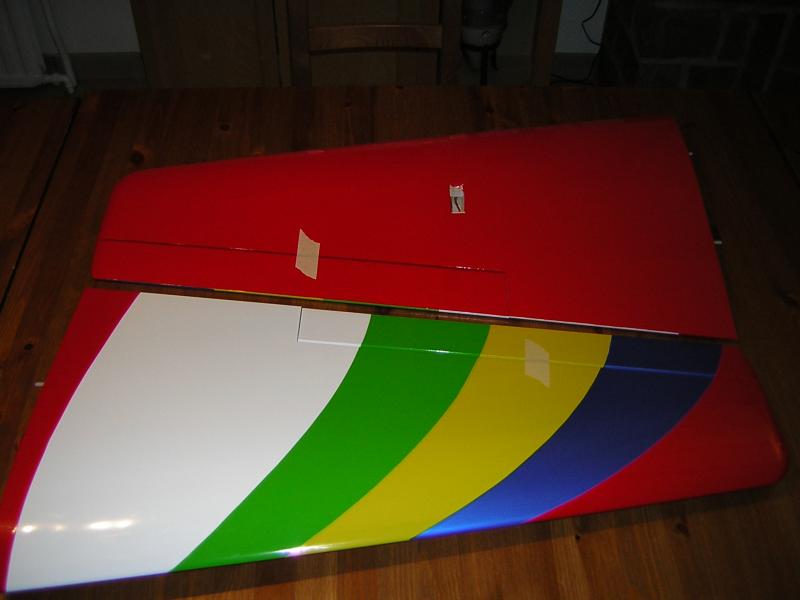
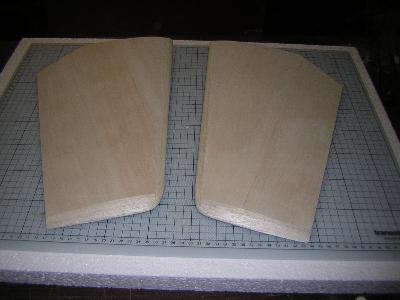
After convering with Oracover:
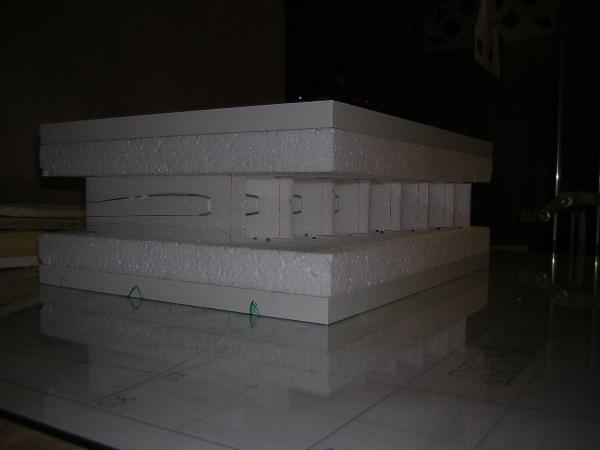
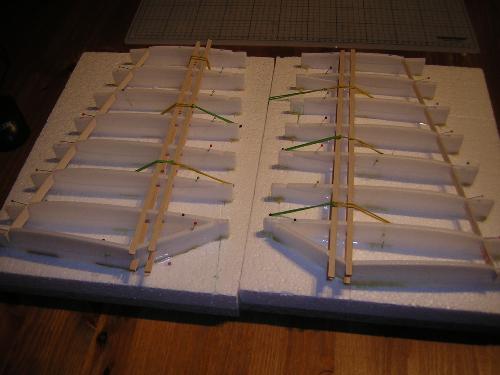
And now the construction of the stab:
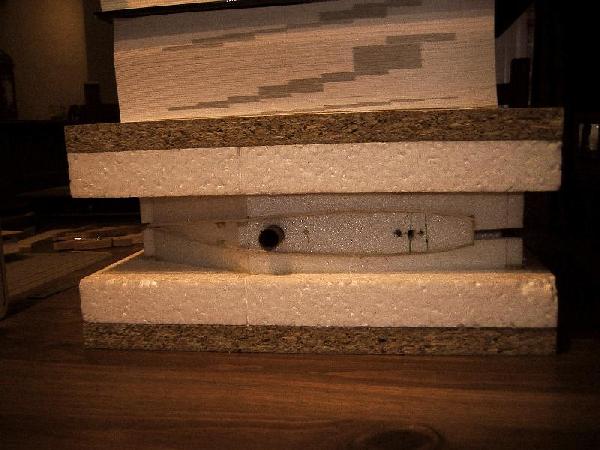
Same method than for the construction of the wings. I really like this method. It's also possible to do that with a classical (not a CNC) hot wire.
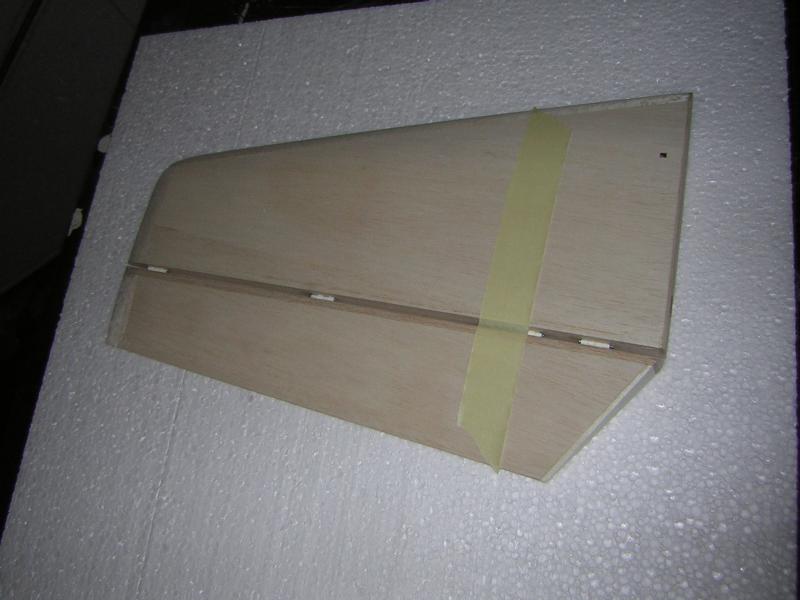
I can give many other informations about the construction if people are interested. Do not hesitate to give your point of vue on the technique. It's my first 2X2 pattern plane. Then every opinion, remark could be interesting for me.
The wings are now complete (covering, servo,...) but I can not give you the weight right now. Probably tomorrow.
Some reenforcement for the aileron hinge:
After convering with Oracover:
And now the construction of the stab:
Same method than for the construction of the wings. I really like this method. It's also possible to do that with a classical (not a CNC) hot wire.
I can give many other informations about the construction if people are interested. Do not hesitate to give your point of vue on the technique. It's my first 2X2 pattern plane. Then every opinion, remark could be interesting for me.
08-24-2009 | 07:45 PM
#6
Senior Member
Joined: Apr 2003
Posts: 725
Likes: 0
Received 0 Likes
on
0 Posts
From: Vikersund, NORWAY
RE: My first 2X2 pattern plane construction
HI
the use off depron in the wig is wery intresting , I knew it has been done by a friend off me with 15 mm ordinary foam , but did you use 2mm balsa as sheeting????
the weigt is also wery intresting.....
should be a easy way to get a wing this!
Nice work keep us posted
the use off depron in the wig is wery intresting , I knew it has been done by a friend off me with 15 mm ordinary foam , but did you use 2mm balsa as sheeting????
the weigt is also wery intresting.....
should be a easy way to get a wing this!
Nice work keep us posted
08-25-2009 | 10:42 AM
#7
Thread Starter
Member
Joined: Dec 2008
Posts: 52
Likes: 0
Received 0 Likes
on
0 Posts
From: LiegeLiege, BELGIUM
RE: My first 2X2 pattern plane construction
The wing sheeting is made with 2mm balsa and the stab 1.5mm. Unfortunately, I have used balsa from the local store. Then, it's not 1st choice balsa. The weight could be reduced with a better selection of the balsa sheet. Moreover, it seems that the construction is too strong. But for the first construction of this kind of plane, I don't want to take some risk. I think that the total weight of the plane will be slightly inferior to 5kg with an OS160. For an electric motor, the construction should be lighter.
I give more details about the weight as soon as possible
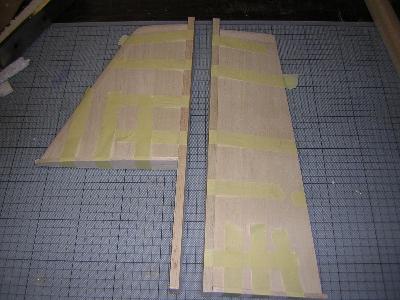
Construction of the rudder
The rudder is a foam core with a 1.5mm balsa covering.
I give more details about the weight as soon as possible
Construction of the rudder
The rudder is a foam core with a 1.5mm balsa covering.
08-25-2009 | 11:37 AM
#8
Thread Starter
Member
Joined: Dec 2008
Posts: 52
Likes: 0
Received 0 Likes
on
0 Posts
From: LiegeLiege, BELGIUM
RE: My first 2X2 pattern plane construction
I have weighted some parts of the plane. The weight are for the parts ready to fly. The wings are covered with servo, servo arm,connections,... The stab is also complete.
1/2 wings: 540g and 550g
1/2 stabs: both 102g
The weight of the fuse without covering: 900g (more details about the fuse in the next posts)
The weight of the wing could be decreased because the servo is heavy and the links between the servo and the aileron are not optimized. I prefer something too strong for my first experience with a 2X2.
What do you think about these weight values?
1/2 wings: 540g and 550g
1/2 stabs: both 102g
The weight of the fuse without covering: 900g (more details about the fuse in the next posts)
The weight of the wing could be decreased because the servo is heavy and the links between the servo and the aileron are not optimized. I prefer something too strong for my first experience with a 2X2.
What do you think about these weight values?
08-25-2009 | 08:10 PM
#9
Senior Member
Joined: Apr 2003
Posts: 725
Likes: 0
Received 0 Likes
on
0 Posts
From: Vikersund, NORWAY
RE: My first 2X2 pattern plane construction
hi
wings mmaybe a litle on the heavy side ...but stabs are nice.
Maybe with electric you can use a smaler servo ?
but anyway ..this is the way to learn and make new experience ..you have to try to find out!
wings mmaybe a litle on the heavy side ...but stabs are nice.
Maybe with electric you can use a smaler servo ?
but anyway ..this is the way to learn and make new experience ..you have to try to find out!
08-26-2009 | 04:13 AM
#10
Thread Starter
Member
Joined: Dec 2008
Posts: 52
Likes: 0
Received 0 Likes
on
0 Posts
From: LiegeLiege, BELGIUM
RE: My first 2X2 pattern plane construction
Yes the servos are the HS5625MG. The torque is too high for this application (9.4 kg.cm). A faster and smaller should be better.
08-26-2009 | 09:09 AM
#11


My Feedback: (1)
RE: My first 2X2 pattern plane construction
Very nice work on your first 2x2 meter!
I think that your issue with weight on your wings is mainly from your balsa....if you can get very light balsa, you will have a very light airplane.
Best Regards,
Mark
www.insightrc.com
I think that your issue with weight on your wings is mainly from your balsa....if you can get very light balsa, you will have a very light airplane.
Best Regards,
Mark
www.insightrc.com
08-26-2009 | 10:16 AM
#12
Thread Starter
Member
Joined: Dec 2008
Posts: 52
Likes: 0
Received 0 Likes
on
0 Posts
From: LiegeLiege, BELGIUM
RE: My first 2X2 pattern plane construction
Thanks.
For the next plane, I will search a store with 1st choice balsa sheet.
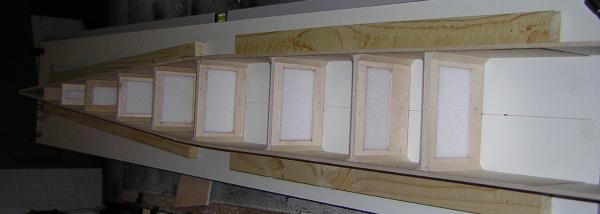
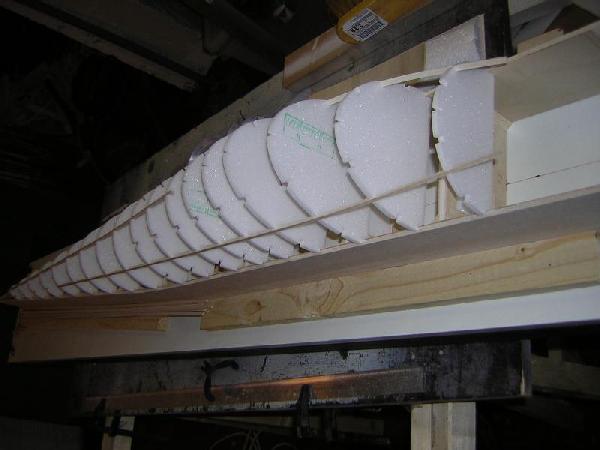
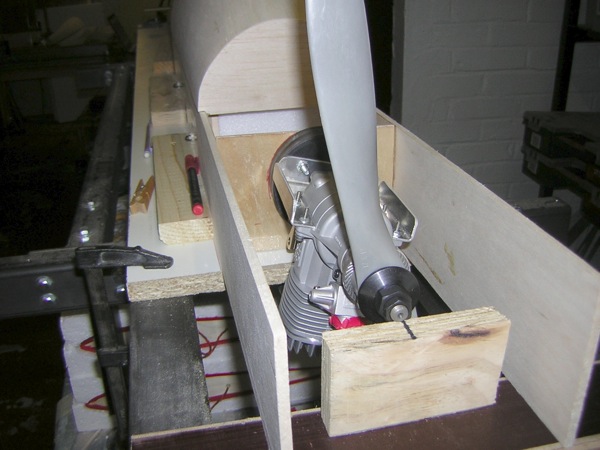
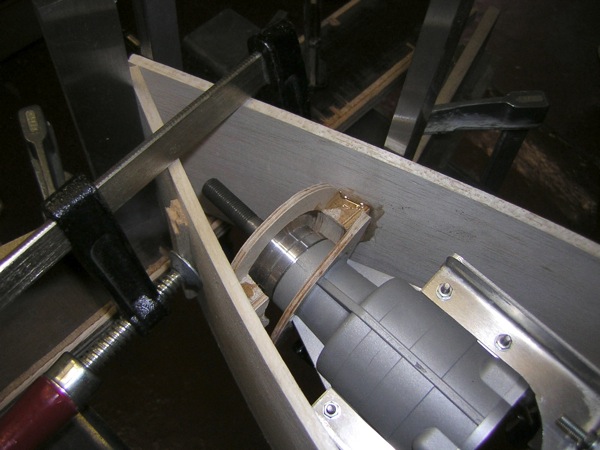
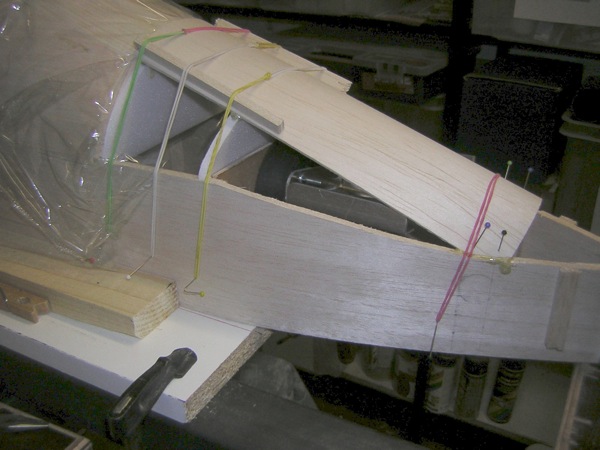
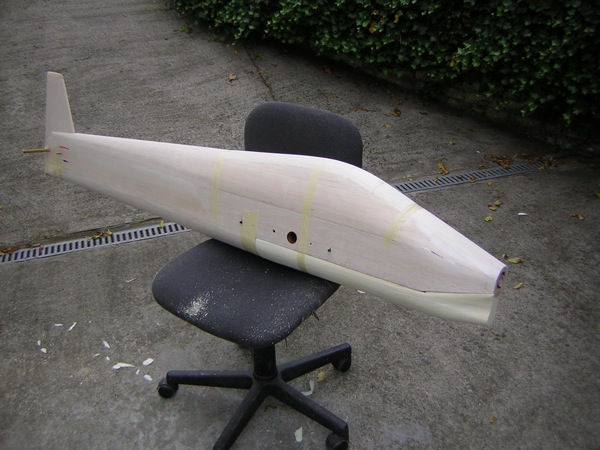
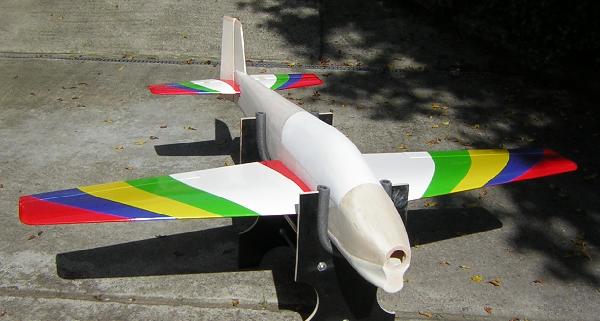
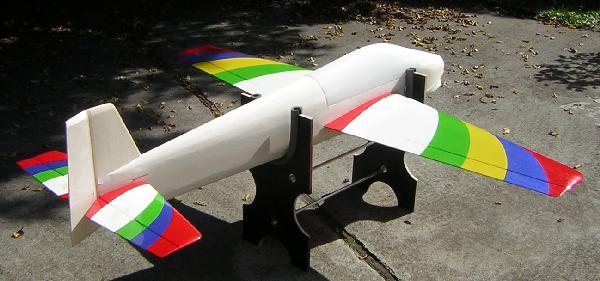
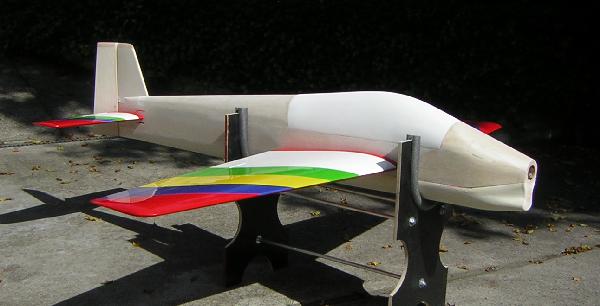
The construction of the fuse:
You will see one more time that I like the technique with Depron rib. When the rib have to be stronger, a plywood sheeting is used. All the glueing Depron/Balsa and Depron/plywood are made with PU glue. This glue is very interesting because it fill the holes and the slits.
For the construction of the fuse, I'm using a construction inspired by the insight from http://www.insightrc.com/. However, the shape of the fuse has been rounded.
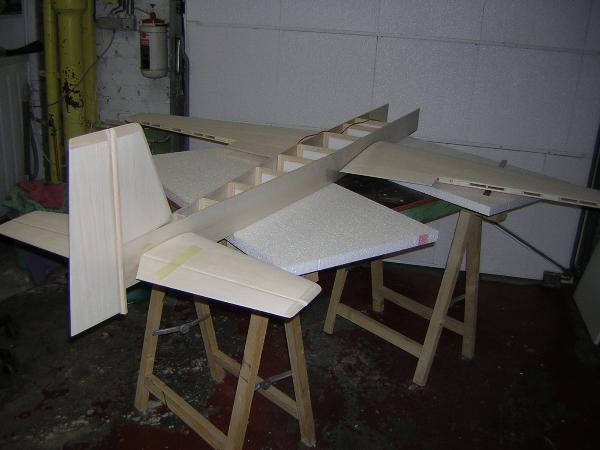
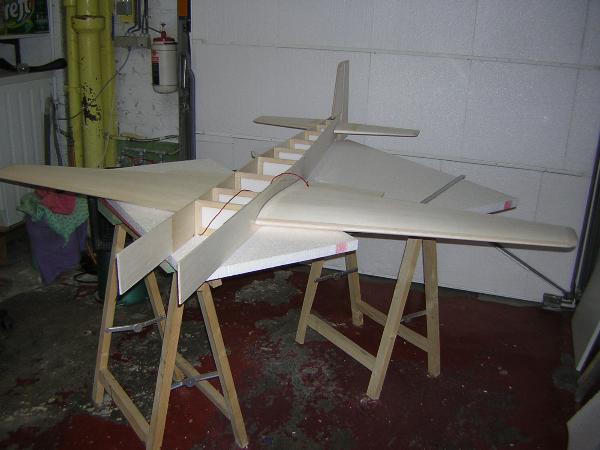
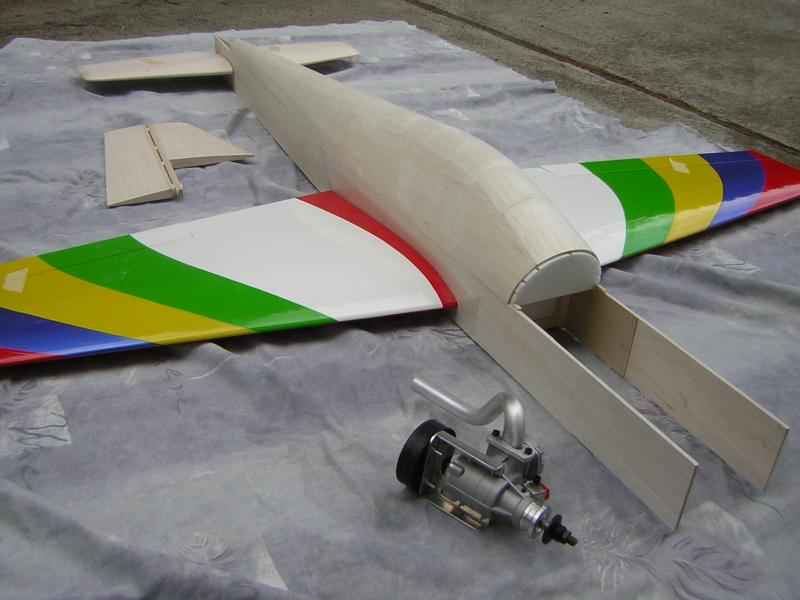
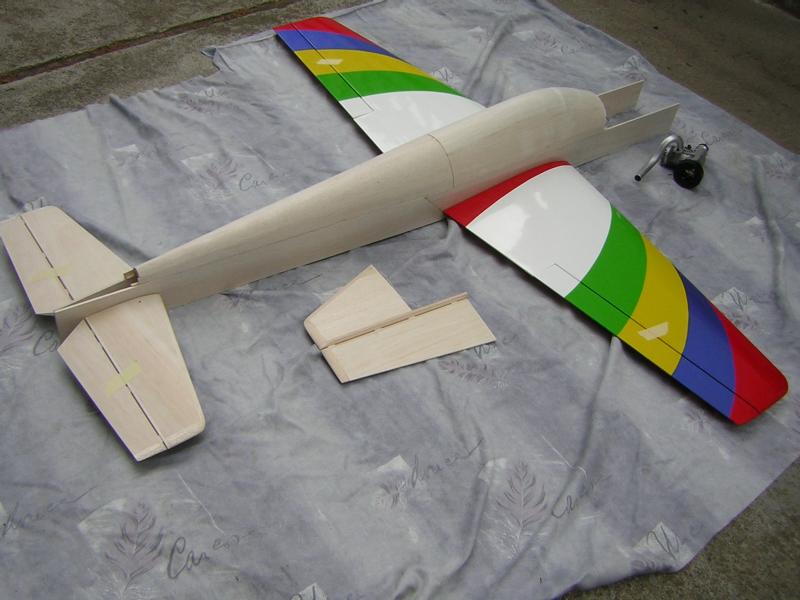
For the next plane, I will search a store with 1st choice balsa sheet.
The construction of the fuse:
You will see one more time that I like the technique with Depron rib. When the rib have to be stronger, a plywood sheeting is used. All the glueing Depron/Balsa and Depron/plywood are made with PU glue. This glue is very interesting because it fill the holes and the slits.
For the construction of the fuse, I'm using a construction inspired by the insight from http://www.insightrc.com/. However, the shape of the fuse has been rounded.
08-26-2009 | 08:09 PM
#13
Senior Member
Joined: Apr 2003
Posts: 725
Likes: 0
Received 0 Likes
on
0 Posts
From: Vikersund, NORWAY
RE: My first 2X2 pattern plane construction
hi
as for the weight for balsa as some one in this tread say ..its a big diffrence ...I got some balsa from a local store in norway that I heard has good balsa , it weight was from 15 gr to almost 30 for 1,5 mm even the 15 gr is at the heavy side I got some from Heerdegen down to 12-13 gr 10 x 100 cm x 1,5 mm and all the sheets was within 2- 3 gr from that ...hugh diffrence to this other stuff....
as for the weight for balsa as some one in this tread say ..its a big diffrence ...I got some balsa from a local store in norway that I heard has good balsa , it weight was from 15 gr to almost 30 for 1,5 mm even the 15 gr is at the heavy side I got some from Heerdegen down to 12-13 gr 10 x 100 cm x 1,5 mm and all the sheets was within 2- 3 gr from that ...hugh diffrence to this other stuff....
 09-29-2009 | 10:47 AM
#15
Thread Starter
Member
Joined: Dec 2008
Posts: 52
Likes: 0
Received 0 Likes
on
0 Posts
From: LiegeLiege, BELGIUM
RE: My first 2X2 pattern plane construction
The plane is almost finish. I have just to mold the bottom part of the fuse.
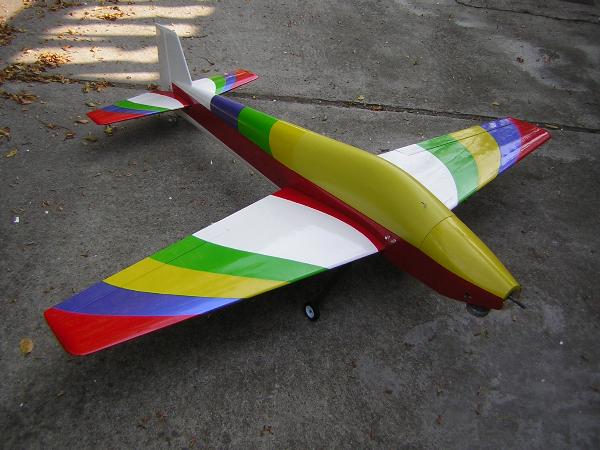
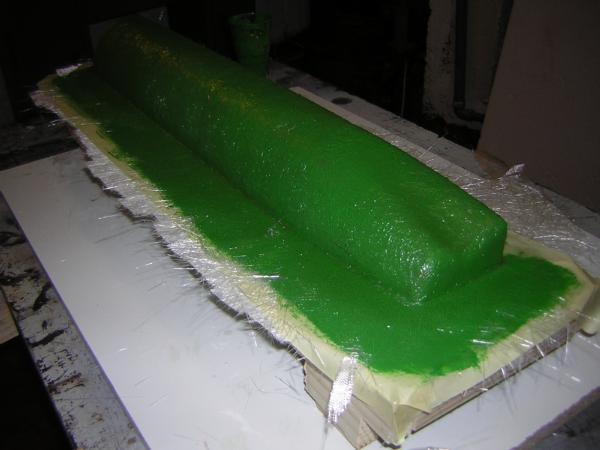
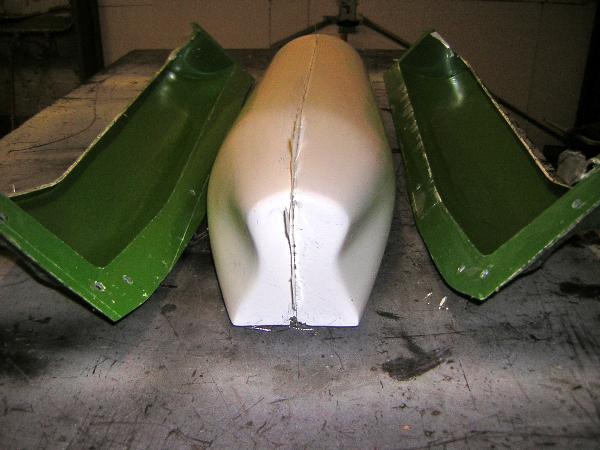
The master core is made with extruded polystyrene foam. The foam can be shaped with a hot wire, a knife or with sandpaper. To obtain a strong surface, the master is covered with a 80g glass fabric and Epoxy. The master is finished with a two components polyester painting.
The master is positioned on a support to make the first half of the mold:
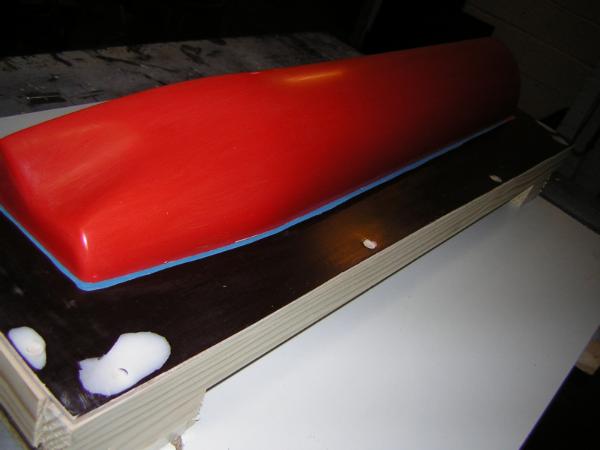
The master is covered with 3 layers of polished wax and finally one layer of PVA. After that, a special gelcoat for mold is applied generously with a brush.
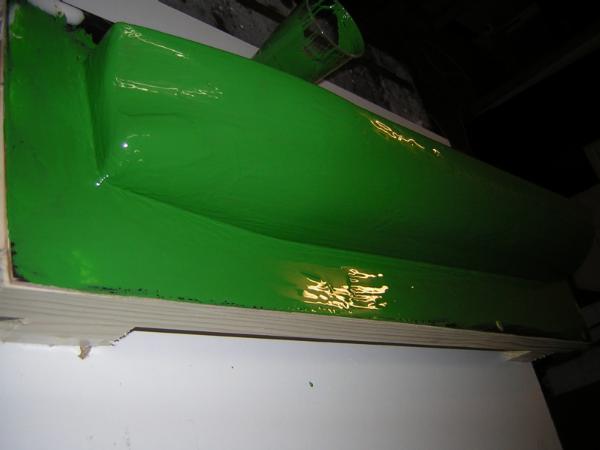
1 layer of mat 225g with polyester:
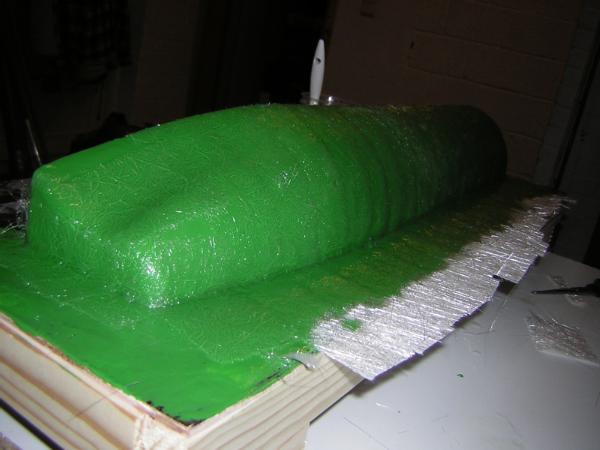
After 3 layers of mat 300g, the first half is ready. Now the second half:
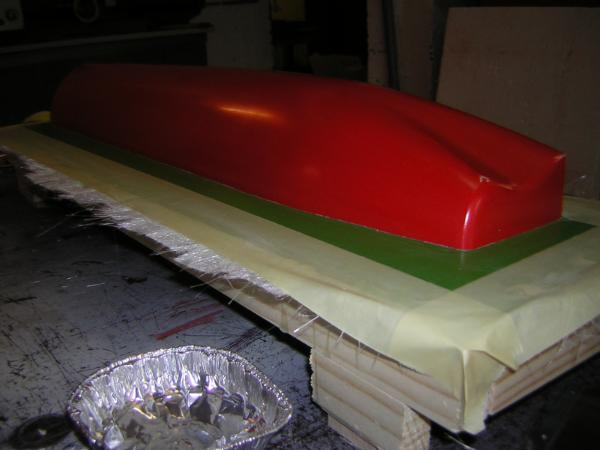
The mold is finished.
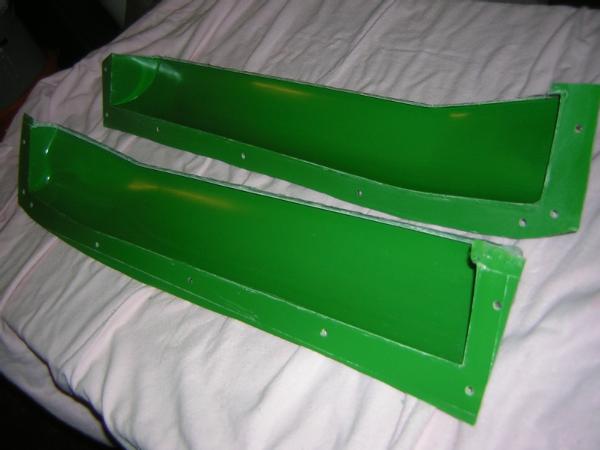
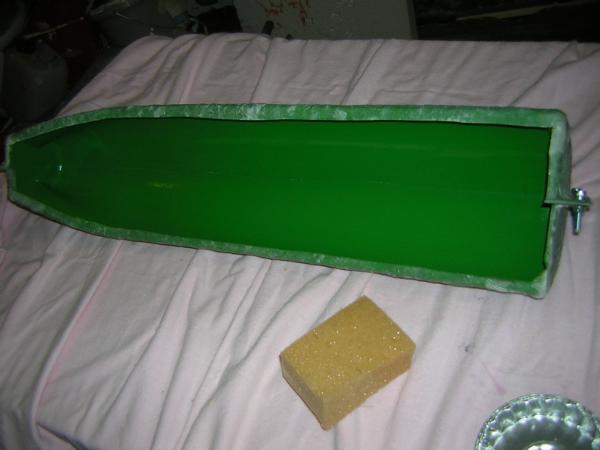
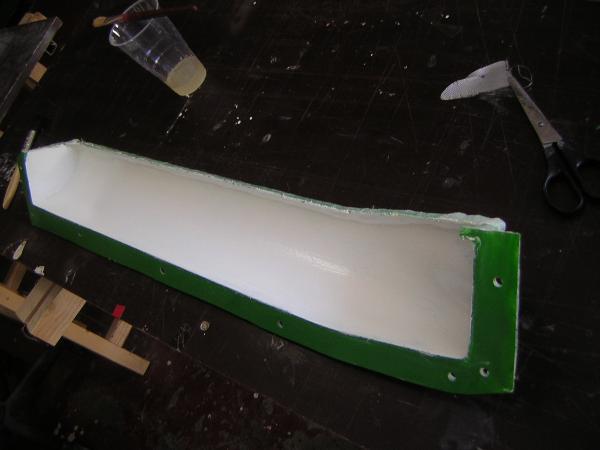
On each half, a layer of gelcoat is applied with a brush. A spray gun will give a better results... 2 layer of 80g glass fabric are applied on each part of the mould with Epoxy. When the Epoxy is a little bit cured, I cut the surplus of fabric along the junction. After that, the two parts of the mold are fixed together and a last layer of 80g fabric is applied.
[link=http://www.lumay.be]www.lumay.be[/link]
The master core is made with extruded polystyrene foam. The foam can be shaped with a hot wire, a knife or with sandpaper. To obtain a strong surface, the master is covered with a 80g glass fabric and Epoxy. The master is finished with a two components polyester painting.
The master is positioned on a support to make the first half of the mold:
The master is covered with 3 layers of polished wax and finally one layer of PVA. After that, a special gelcoat for mold is applied generously with a brush.
1 layer of mat 225g with polyester:
After 3 layers of mat 300g, the first half is ready. Now the second half:
The mold is finished.
On each half, a layer of gelcoat is applied with a brush. A spray gun will give a better results... 2 layer of 80g glass fabric are applied on each part of the mould with Epoxy. When the Epoxy is a little bit cured, I cut the surplus of fabric along the junction. After that, the two parts of the mold are fixed together and a last layer of 80g fabric is applied.
[link=http://www.lumay.be]www.lumay.be[/link]
09-30-2009 | 06:44 AM
#18
Junior Member
Joined: Dec 2004
Posts: 29
Likes: 0
Received 0 Likes
on
0 Posts
From: Enterprise,
AL
RE: My first 2X2 pattern plane construction
Geoffroy,
Thanks very much for sharing your construction techniques. I have a cnc cutter and may use some of your techniques in my next design. I am particularly intrigued with the fuselage construction.
Ken Blackwell
Thanks very much for sharing your construction techniques. I have a cnc cutter and may use some of your techniques in my next design. I am particularly intrigued with the fuselage construction.
Ken Blackwell
 05-21-2010 | 03:43 PM
#21
Thread Starter
Member
Joined: Dec 2008
Posts: 52
Likes: 0
Received 0 Likes
on
0 Posts
From: LiegeLiege, BELGIUM
RE: My first 2X2 pattern plane construction
See [link=http://www.rcuniverse.com/forum/m_9749764/tm.htm]this thread[/link] for the construction of my next pattern plane: the Anti-Graviton

 05-26-2010 | 11:36 AM
#25
Thread Starter
Member
Joined: Dec 2008
Posts: 52
Likes: 0
Received 0 Likes
on
0 Posts
From: LiegeLiege, BELGIUM
RE: My first 2X2 pattern plane construction
Thanks Claude 
Then, the header come from [link=http://www.f3alorenz.de/zb-motoren/body-kruemmer.htm]Lorenz[/link] in germany. Almost all the accessories come from there.
Then, the header come from [link=http://www.f3alorenz.de/zb-motoren/body-kruemmer.htm]Lorenz[/link] in germany. Almost all the accessories come from there.

