


Thin safety wire


 02-01-2019 | 03:00 AM
#3

My Feedback: (4)
Joined: Dec 2001
Posts: 2,341
Likes: 0
Received 0 Likes
on
0 Posts
From: Longwood ,
FL

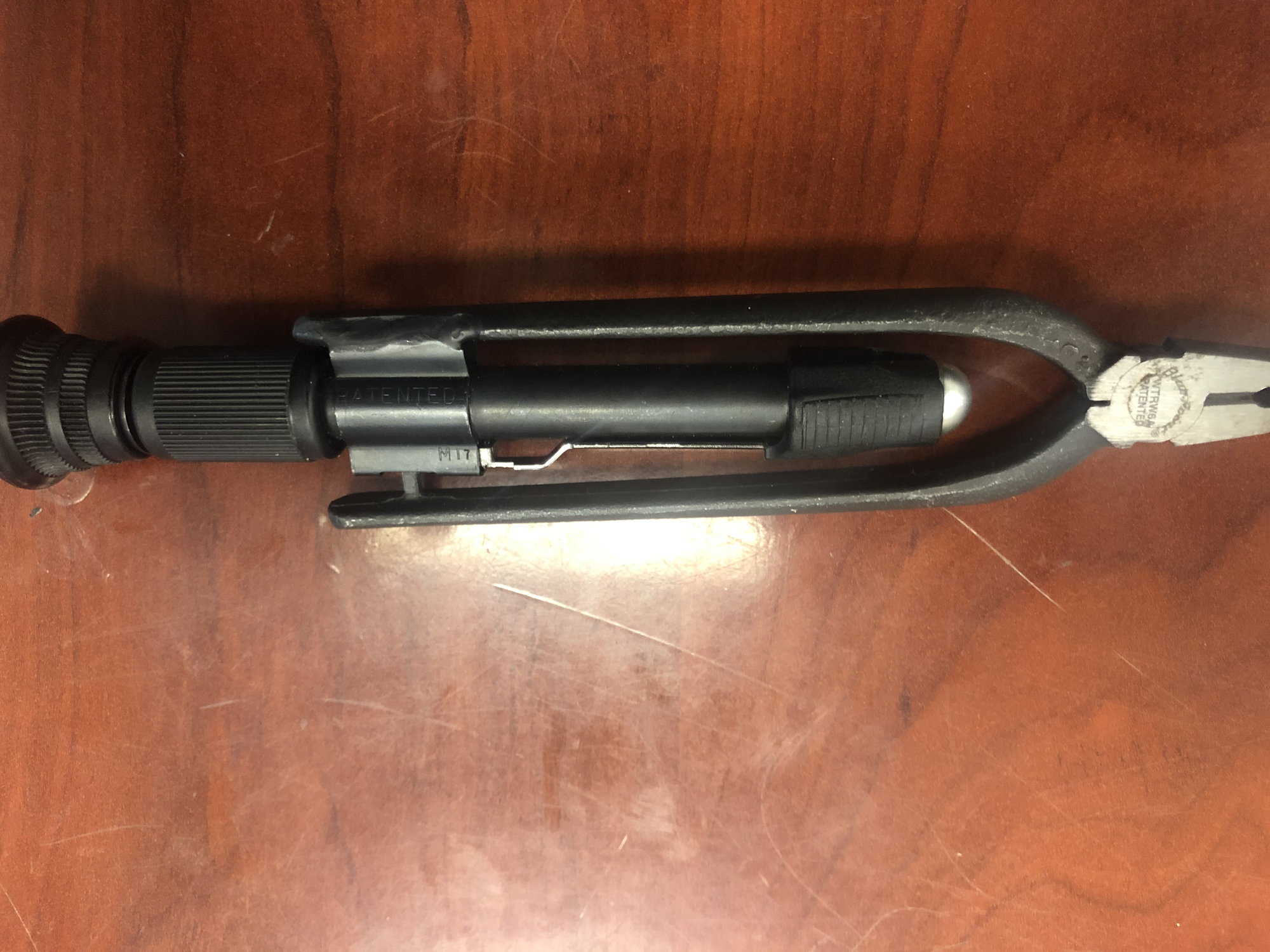
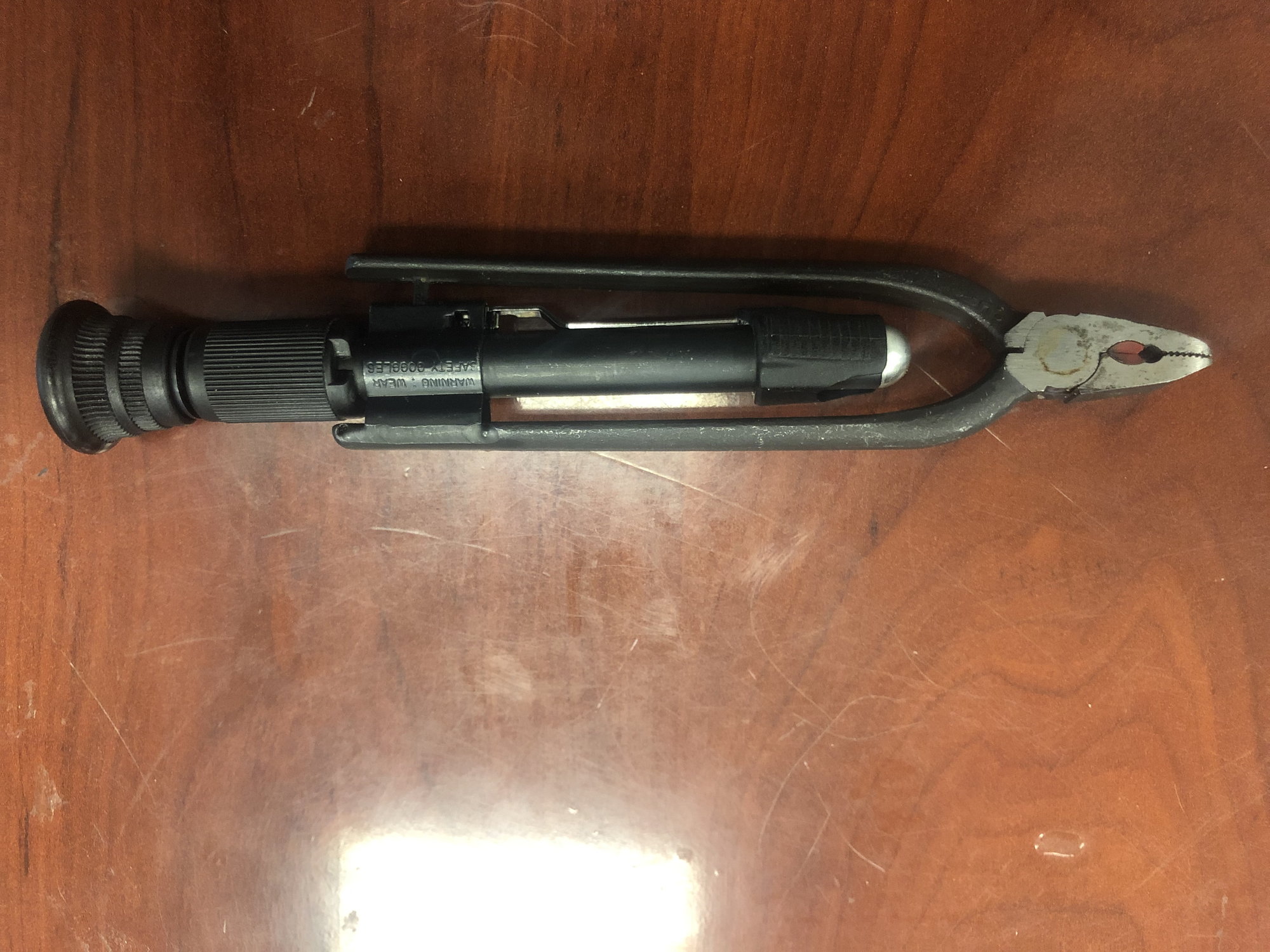
Here's what I use.
http://www.aircraftspruce.com/catalo...safetywire.php
Safety wire pliers are not a necessity, but they do make the job easier.
http://www.aircraftspruce.com/catalo...safetywire.php
Safety wire pliers are not a necessity, but they do make the job easier.
 02-01-2019 | 04:28 AM
#5


My Feedback: (9)
I highly recommend safety wire pliers. I must also say that DO NOT GET THE HARBOR FREIGHT crap ones. I was working on a friends plane and he has them and I wanted to throw them out the window. I ended up doing the job by hand. You don't need to get the ones I use from snap-on but you cant get crap ones either. Middle of the road ones will work fine.
02-01-2019 | 04:42 AM
#6

Joined: Jan 2007
Posts: 3,294
Likes: 0
Received 1 Like
on
1 Post
From: farnborough, , UNITED KINGDOM
Re wire pliers.
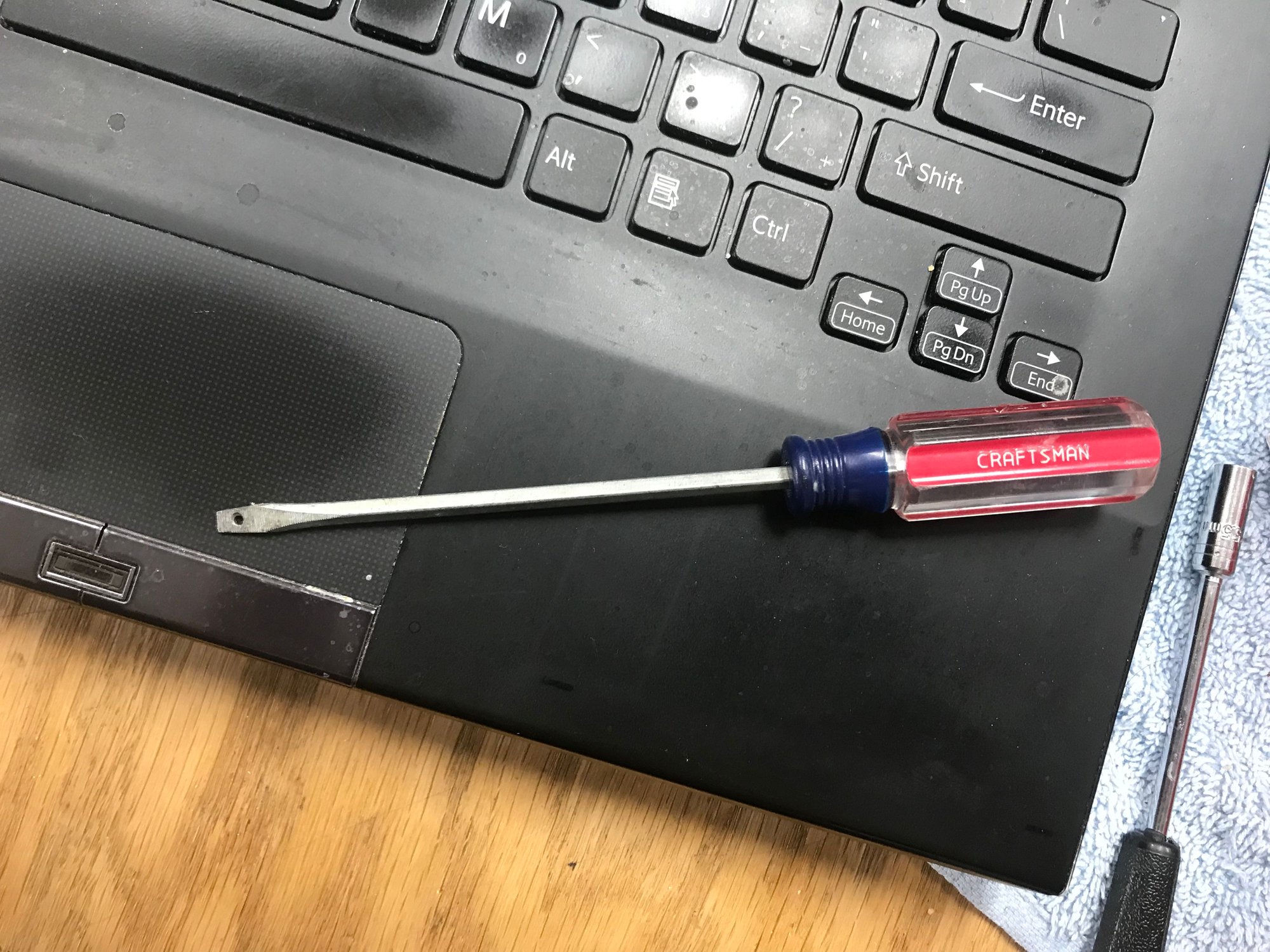
I have built loads of jets for customers in the past and have always found safety pliers to be too bulky for use on our kits, often access is tight and the need for a more agile tool in needed. I made a safety wire tool which I have used for 10 years without fault and its cost me a few cents.
Find a steel solid rod around 4mm in diameter, file or Dremmel one end to a flat, about 20mm in length so it resembles a flat head screwdriver when looking on end - about 1mm thick should be fine. Then drill one hole near the tip (round off the tip edges) about 1.5 - 2mm in diameter (enough to pass two pieces of safety wire through with some spare room) - thats it.
To secure pass the safety wire round your connection, forming the loops round a pencil etc before can help, then the two tail ends need to be passed through the hole in the tool in opposite directions, one in from the left and one in from the right, pass the tails up along the rod shaft and hold with your fingers as you rotate the tool, once the wire twists a few times the wire self locks in the tool. Twist until you have the desired number of twists and use a small wire snipper to free the tool. Dress the ends around the pipe as required and remove the cut ends from the tool and you are ready for the next. The tool will get into the tightest spaces and will never break as there are no complex moving parts.
Hope that has explained it OK, may be able to find a picture of my tool if needed.
marcs
I have built loads of jets for customers in the past and have always found safety pliers to be too bulky for use on our kits, often access is tight and the need for a more agile tool in needed. I made a safety wire tool which I have used for 10 years without fault and its cost me a few cents.
Find a steel solid rod around 4mm in diameter, file or Dremmel one end to a flat, about 20mm in length so it resembles a flat head screwdriver when looking on end - about 1mm thick should be fine. Then drill one hole near the tip (round off the tip edges) about 1.5 - 2mm in diameter (enough to pass two pieces of safety wire through with some spare room) - thats it.
To secure pass the safety wire round your connection, forming the loops round a pencil etc before can help, then the two tail ends need to be passed through the hole in the tool in opposite directions, one in from the left and one in from the right, pass the tails up along the rod shaft and hold with your fingers as you rotate the tool, once the wire twists a few times the wire self locks in the tool. Twist until you have the desired number of twists and use a small wire snipper to free the tool. Dress the ends around the pipe as required and remove the cut ends from the tool and you are ready for the next. The tool will get into the tightest spaces and will never break as there are no complex moving parts.
Hope that has explained it OK, may be able to find a picture of my tool if needed.
marcs
Last edited by marc s; 02-01-2019 at 04:45 AM.
02-01-2019 | 05:55 AM
#7
My Feedback: (49)
You can get galvanized steel wire at Home Depot, Lowes, or at most hardware stores. It doesn't have to be stainless or say "aircraft" on it.
https://www.lowes.com/pd/Hillman-20-Gauge-175-ft-Galvanized-Picture-Hanging-Wire/50029238
Also I use a large hemostat to reach into tight spaces and twist it.
https://www.lowes.com/pd/Hillman-20-Gauge-175-ft-Galvanized-Picture-Hanging-Wire/50029238
Also I use a large hemostat to reach into tight spaces and twist it.
02-01-2019 | 06:04 AM
#8
My Feedback: (9)
Re wire pliers.
I have built loads of jets for customers in the past and have always found safety pliers to be too bulky for use on our kits, often access is tight and the need for a more agile tool in needed. I made a safety wire tool which I have used for 10 years without fault and its cost me a few cents.
Find a steel solid rod around 4mm in diameter, file or Dremmel one end to a flat, about 20mm in length so it resembles a flat head screwdriver when looking on end - about 1mm thick should be fine. Then drill one hole near the tip (round off the tip edges) about 1.5 - 2mm in diameter (enough to pass two pieces of safety wire through with some spare room) - thats it.
To secure pass the safety wire round your connection, forming the loops round a pencil etc before can help, then the two tail ends need to be passed through the hole in the tool in opposite directions, one in from the left and one in from the right, pass the tails up along the rod shaft and hold with your fingers as you rotate the tool, once the wire twists a few times the wire self locks in the tool. Twist until you have the desired number of twists and use a small wire snipper to free the tool. Dress the ends around the pipe as required and remove the cut ends from the tool and you are ready for the next. The tool will get into the tightest spaces and will never break as there are no complex moving parts.
Hope that has explained it OK, may be able to find a picture of my tool if needed.
marcs
I have built loads of jets for customers in the past and have always found safety pliers to be too bulky for use on our kits, often access is tight and the need for a more agile tool in needed. I made a safety wire tool which I have used for 10 years without fault and its cost me a few cents.
Find a steel solid rod around 4mm in diameter, file or Dremmel one end to a flat, about 20mm in length so it resembles a flat head screwdriver when looking on end - about 1mm thick should be fine. Then drill one hole near the tip (round off the tip edges) about 1.5 - 2mm in diameter (enough to pass two pieces of safety wire through with some spare room) - thats it.
To secure pass the safety wire round your connection, forming the loops round a pencil etc before can help, then the two tail ends need to be passed through the hole in the tool in opposite directions, one in from the left and one in from the right, pass the tails up along the rod shaft and hold with your fingers as you rotate the tool, once the wire twists a few times the wire self locks in the tool. Twist until you have the desired number of twists and use a small wire snipper to free the tool. Dress the ends around the pipe as required and remove the cut ends from the tool and you are ready for the next. The tool will get into the tightest spaces and will never break as there are no complex moving parts.
Hope that has explained it OK, may be able to find a picture of my tool if needed.
marcs
02-01-2019 | 06:21 AM
#9
My Feedback: (6)
Re wire pliers.
I have built loads of jets for customers in the past and have always found safety pliers to be too bulky for use on our kits, often access is tight and the need for a more agile tool in needed. I made a safety wire tool which I have used for 10 years without fault and its cost me a few cents.
Find a steel solid rod around 4mm in diameter, file or Dremmel one end to a flat, about 20mm in length so it resembles a flat head screwdriver when looking on end - about 1mm thick should be fine. Then drill one hole near the tip (round off the tip edges) about 1.5 - 2mm in diameter (enough to pass two pieces of safety wire through with some spare room) - thats it.
marcs
I have built loads of jets for customers in the past and have always found safety pliers to be too bulky for use on our kits, often access is tight and the need for a more agile tool in needed. I made a safety wire tool which I have used for 10 years without fault and its cost me a few cents.
Find a steel solid rod around 4mm in diameter, file or Dremmel one end to a flat, about 20mm in length so it resembles a flat head screwdriver when looking on end - about 1mm thick should be fine. Then drill one hole near the tip (round off the tip edges) about 1.5 - 2mm in diameter (enough to pass two pieces of safety wire through with some spare room) - thats it.
marcs
I have several donor screwdrivers in mind.
Sparky
 02-01-2019 | 06:24 AM
#11

My Feedback: (46)
BikeMaster Safety Wire Pliers...
https://www.amazon.com/dp/B002W2A0MW...p_mob_ap_share
Malin Safety Wire / Lock Wire &...
https://www.amazon.com/dp/B01BDVX34O...p_mob_ap_share
i recently ordered both from amazon. These pliers are way better than the Harbor Freight pliers, ask me how I know..
https://www.amazon.com/dp/B002W2A0MW...p_mob_ap_share
Malin Safety Wire / Lock Wire &...
https://www.amazon.com/dp/B01BDVX34O...p_mob_ap_share
i recently ordered both from amazon. These pliers are way better than the Harbor Freight pliers, ask me how I know..
Last edited by camss69; 02-01-2019 at 06:44 AM.
 02-01-2019 | 06:30 AM
#13


BikeMaster Safety Wire Pliers... https://www.amazon.com/dp/B002W2A0MW...p_mob_ap_share
 02-01-2019 | 09:31 AM
#15

LOL we have sooo much at work production control was telling folks to make it vanish! I have a ton, will never need to buy any thats for sure!


 02-01-2019 | 01:57 PM
#19
My Feedback: (28)

I highly recommend safety wire pliers. I must also say that DO NOT GET THE HARBOR FREIGHT crap ones. I was working on a friends plane and he has them and I wanted to throw them out the window. I ended up doing the job by hand. You don't need to get the ones I use from snap-on but you cant get crap ones either. Middle of the road ones will work fine.
02-01-2019 | 02:17 PM
#20
Army crew chiefs do it all by hand, not allowed to use the lockwire pliers lol I got good at in my crew days. It was nice to show the kids how’s it done once I was a test pilot, those impossibles got me a few cases of beer!

 02-01-2019 | 03:32 PM
#23
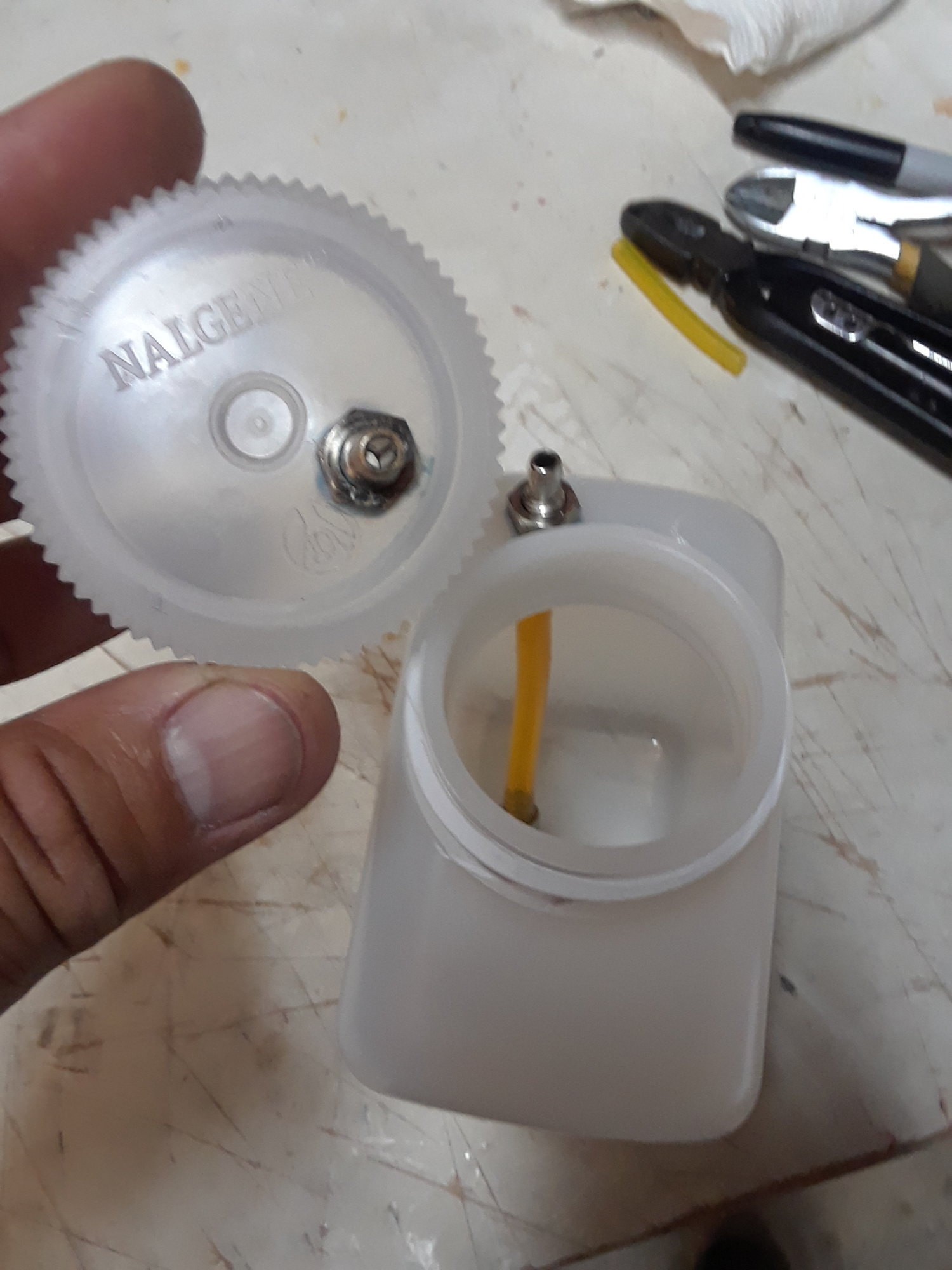
Thank all for the prompt replies, it has been years since I got my last roll of SW, so long ago, I don't recall where I got it from, I used up my last inch on my last project.
020 is what I'm looking for, it's a good gauge to secure the UATs sox, fuel lines, airlines.
About the twister pliers, I got me a HF ones around 2002 and have done dozens of jobs with it, agreed, not the best quality but it is still working for me, if I was looking for a new one, you bet your jets that I would buy one of the good quality ones, the screw driver with a hole is an excellent idea, very useful in those tight, hard to get spaces, I know

Hey! newbies, take notes, very good info been posted here.
Thank you all for taking the time to replie to my question.
Last edited by CARS II; 02-01-2019 at 03:43 PM.
02-01-2019 | 03:47 PM
#24

My Feedback: (41)
At the time I was having my issues with learning how to make it look neat and the older guy who owned the FBO, used to come out, look at some of my early attempts and he'd just cut the wire in half. He told me that safety wire was like your signature; if it is nicely done, you can pretty much figure everything else was done the same way. Over the years I spent with GA on everything from trainers to Gulfstreams, that proved to be true almost all the time.
Last edited by Zeeb; 02-01-2019 at 03:52 PM.


