


Need help with figuring out how to hinge this arf
 07-28-2014 | 06:16 PM
#1
Thread Starter
Senior Member
My Feedback: (13)
Joined: Jul 2005
Posts: 2,322
Likes: 0
Received 0 Likes
on
0 Posts
From: Nutley,
NJ
 Need help with figuring out how to hinge this arf
Despite flying for a few years , I still find myself needing to come to the beginners forum! Goes to show there is always something that we need to learn...with that....
I bought a Arfmfg/Skyline/Goldwing Sbach 342 60" quite some time ago. Ive recently been debating on getting started with the build. Upon a very detailed inspection for anything that needs to be done(reinforcement, gluing, modifications etc) I noticed a small issue with the rudder area. It seems to me that there isnt enough meat on the airframe to install robart hinges as originally planned. To be honest, I doubt there is even enough wood there to install CA hinges and not have them pull out. Ive attached a pic of what I can see from inside the fuse. It looks like the only wood back there is the external sheeting and ply framing.
Can someone provide tips on how I could make installing robarts(or even CA hinges) dependable without pulling out. The vertical line you see is where the manufacturer has slotted for hinges. If at all possible, I would prefer not to tear apart the covering to get at this. Ive thought about gorilla glue because of its expanding characteristics, however just don't see less that an eight of an inch of wood(give or take..) being enough to hold on. Maybe Im over-thinking this.
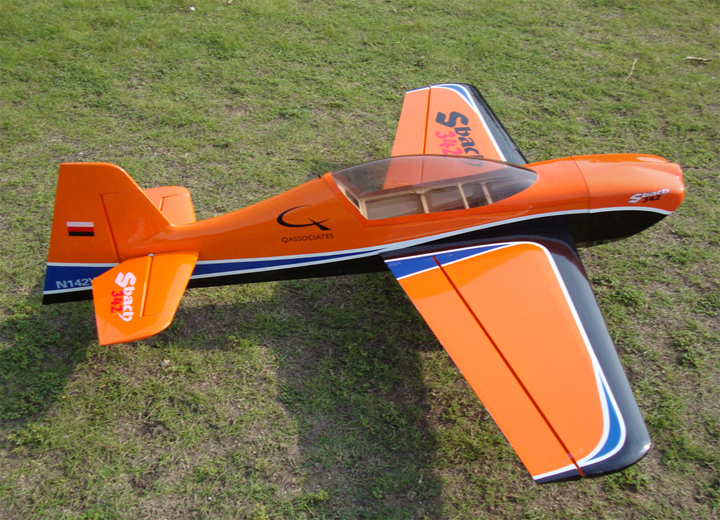
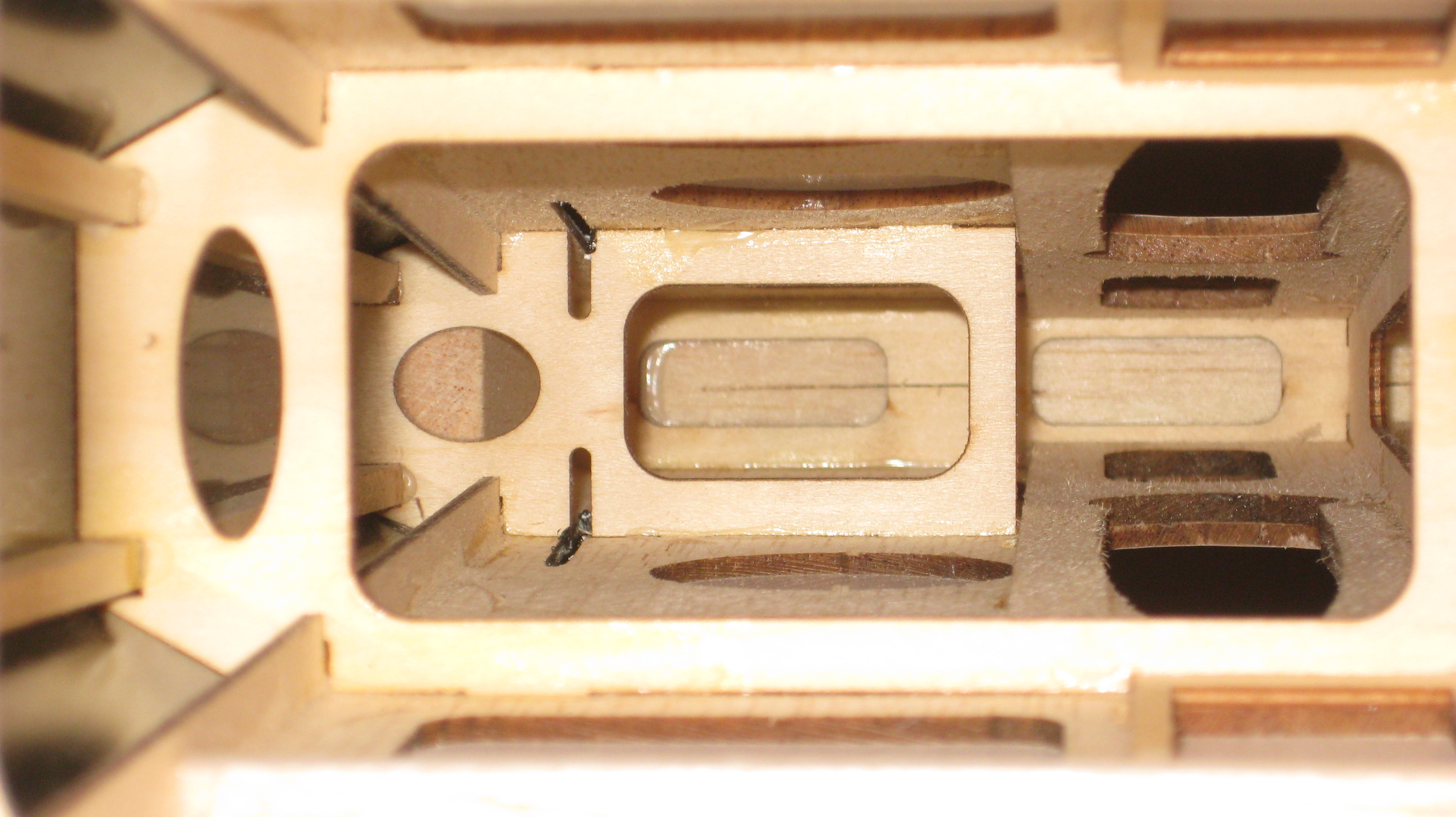
I bought a Arfmfg/Skyline/Goldwing Sbach 342 60" quite some time ago. Ive recently been debating on getting started with the build. Upon a very detailed inspection for anything that needs to be done(reinforcement, gluing, modifications etc) I noticed a small issue with the rudder area. It seems to me that there isnt enough meat on the airframe to install robart hinges as originally planned. To be honest, I doubt there is even enough wood there to install CA hinges and not have them pull out. Ive attached a pic of what I can see from inside the fuse. It looks like the only wood back there is the external sheeting and ply framing.
Can someone provide tips on how I could make installing robarts(or even CA hinges) dependable without pulling out. The vertical line you see is where the manufacturer has slotted for hinges. If at all possible, I would prefer not to tear apart the covering to get at this. Ive thought about gorilla glue because of its expanding characteristics, however just don't see less that an eight of an inch of wood(give or take..) being enough to hold on. Maybe Im over-thinking this.
 07-29-2014 | 04:45 AM
#2

Joined: Mar 2013
Posts: 751
Likes: 0
Received 0 Likes
on
0 Posts
From: Winnipeg,
MB, CANADA
Nice looking plane Ro347,
I would probably just mix up some epoxy and microballoons and with the fuse hanging vertically pour it in and let it set up. Use lots of balloons so as to not add a lot of weight.
Calvi
I would probably just mix up some epoxy and microballoons and with the fuse hanging vertically pour it in and let it set up. Use lots of balloons so as to not add a lot of weight.
Calvi
07-29-2014 | 06:38 AM
#3
I don't know if a microballoons mix would hold a hinge. The classic way of doing it is to epoxy in a hardwood backer. To get back there, I'd tack CA it onto a dowel rod, check the fit, then put the epoxy on and let it set. You'd have to hold it there fora little while if you use 5 minute epoxy, then break off the dowel rod. It'll probably work best to put the epoxy onto the fuselage and just wipe a thin coat onto your backer piece so that you don't rub it off on the way in.
07-29-2014 | 07:12 AM
#4


My Feedback: (2)
Joined: Jun 2004
Posts: 4,045
Likes: 0
Received 2 Likes
on
2 Posts
From: Sailing in the Eastern Caribbean
I think you need to investigate the thickness you have at the rudder post.
Drill a 1/16th hole from the rear and measure how thick it is.
If it is 3/8 or better,I would use fuzzy mylar hinges pinned with cocktail sticks.
Drill a 1/16th hole from the rear and measure how thick it is.
If it is 3/8 or better,I would use fuzzy mylar hinges pinned with cocktail sticks.
07-29-2014 | 09:04 AM
#5
Thread Starter
Senior Member
My Feedback: (13)
Joined: Jul 2005
Posts: 2,322
Likes: 0
Received 0 Likes
on
0 Posts
From: Nutley,
NJ
Doesn't seem like much to work with
 07-29-2014 | 10:55 AM
#6
My Feedback: (-1)
Du-Bro makes the flat hinges in several sizes and they work great. I have used the ones they make for 1/2-A planes on several of my builds where they only have a shallow depth and narrow width. These hinges hold very well with just epoxy if you clean them with alcohol and rough up the plastic/nylon with some sand paper.
07-29-2014 | 06:39 PM
#7
Thread Starter
Senior Member
My Feedback: (13)
Joined: Jul 2005
Posts: 2,322
Likes: 0
Received 0 Likes
on
0 Posts
From: Nutley,
NJ
Du-Bro makes the flat hinges in several sizes and they work great. I have used the ones they make for 1/2-A planes on several of my builds where they only have a shallow depth and narrow width. These hinges hold very well with just epoxy if you clean them with alcohol and rough up the plastic/nylon with some sand paper.
07-29-2014 | 07:05 PM
#8
Joined: Mar 2013
Posts: 751
Likes: 0
Received 0 Likes
on
0 Posts
From: Winnipeg,
MB, CANADA
Hi guys,
Just for the heck of it I am going to do a little experiment to see just how much epoxy and microballoons will hold. I mixed up a 50 50 mix of epoxy and balloons and have set a screw into 3/8" deep layer of it.
Tomorrow when it sets up I will use a luggage scale to see what the yield point is. When I made the mixture any thicker it would be a pain to get it to flow into the cavity. I like the G2 epoxy it seems to have a pot life of hours, great for this type of project, as long as it is strong enough
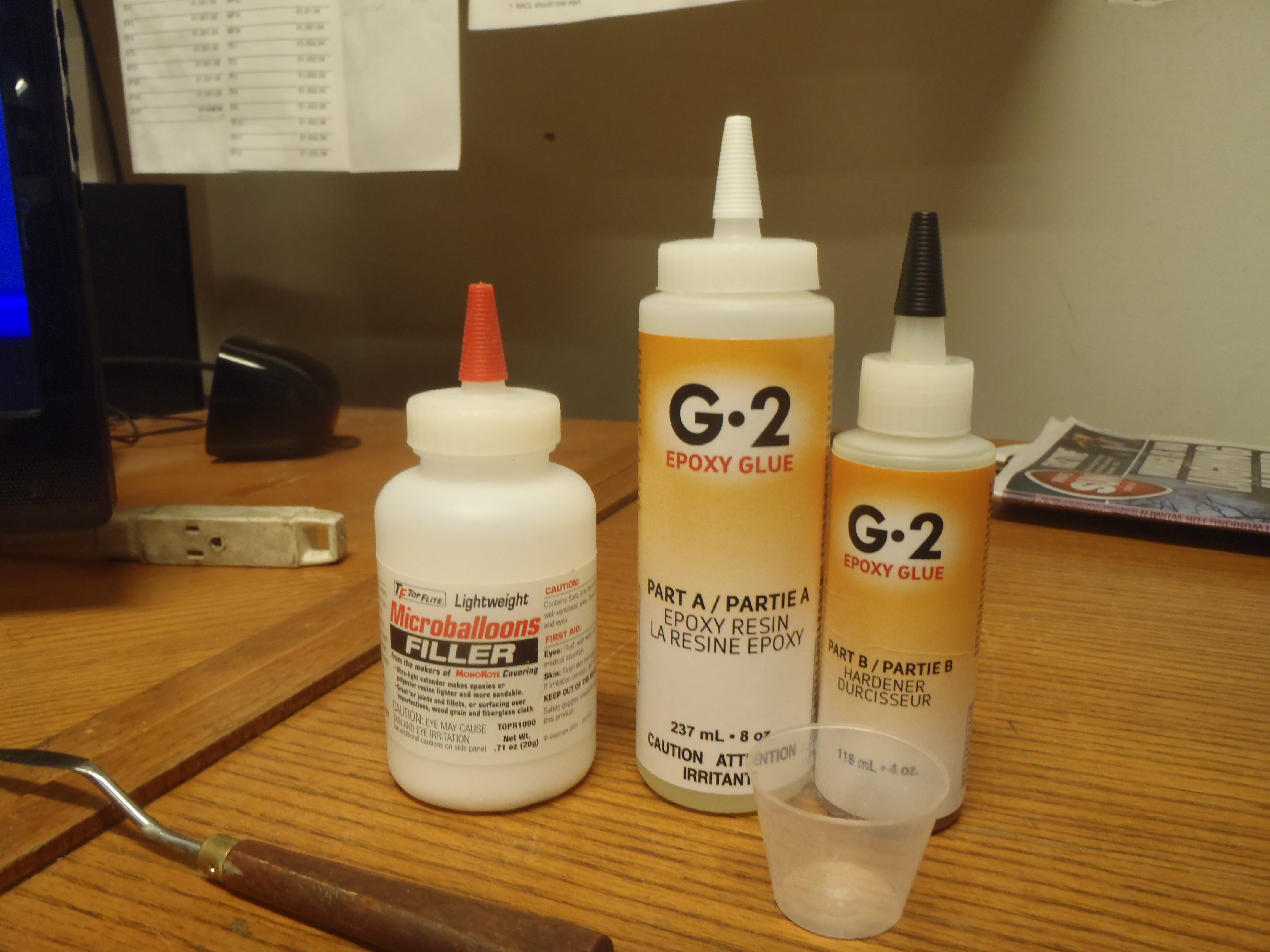
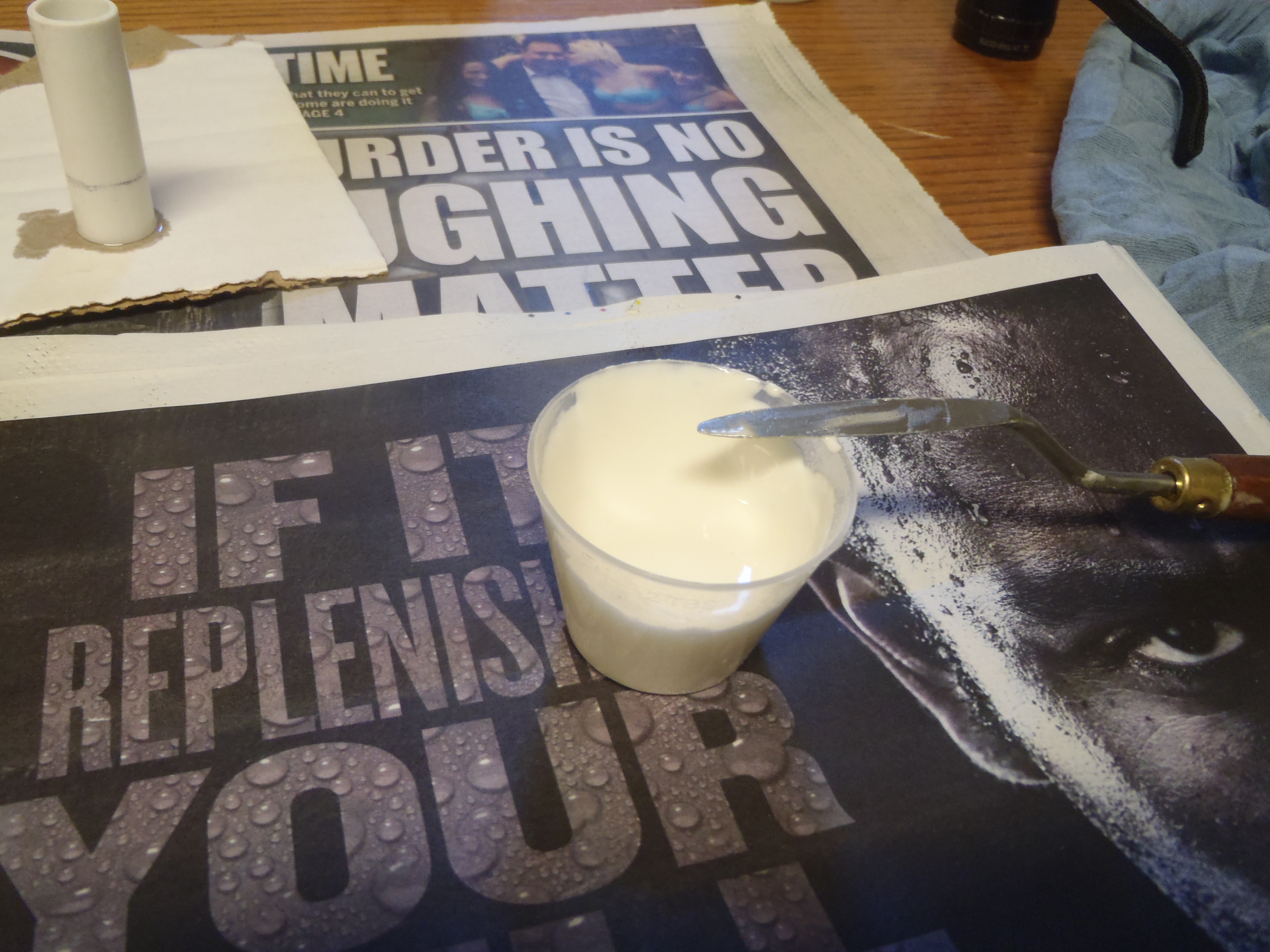
Just for the heck of it I am going to do a little experiment to see just how much epoxy and microballoons will hold. I mixed up a 50 50 mix of epoxy and balloons and have set a screw into 3/8" deep layer of it.
Tomorrow when it sets up I will use a luggage scale to see what the yield point is. When I made the mixture any thicker it would be a pain to get it to flow into the cavity. I like the G2 epoxy it seems to have a pot life of hours, great for this type of project, as long as it is strong enough
Last edited by Calvinman; 07-29-2014 at 07:06 PM. Reason: tried to get rid of servo pic attachment
07-29-2014 | 09:23 PM
#9
My Feedback: (-1)
No, a hinge pin is just a barbed two piece point. The flat hinges look a bit like a CA hinge cut in half with a brass pin holding them together. They come in several sizes. I just used the last of the small ones I had on hand for a water rudder on some floats and the rudder was only 1/8 thick. I have used them on rudder on my 3-D arf, it is only 1/8 thick sq. They hold great with just epoxy.
07-30-2014 | 06:25 AM
#12
07-30-2014 | 07:17 AM
#13

My Feedback: (13)
Joined: Jul 2003
Posts: 514
Likes: 0
Received 0 Likes
on
0 Posts
From: Fayetteville, Arkansas AR
I don't know if a microballoons mix would hold a hinge. The classic way of doing it is to epoxy in a hardwood backer. To get back there, I'd tack CA it onto a dowel rod, check the fit, then put the epoxy on and let it set. You'd have to hold it there fora little while if you use 5 minute epoxy, then break off the dowel rod. It'll probably work best to put the epoxy onto the fuselage and just wipe a thin coat onto your backer piece so that you don't rub it off on the way in.
07-30-2014 | 08:35 AM
#14
My Feedback: (-1)
Yes, that is a Du-Bro flat hinge and they come in many different sizes. I do find it odd {even for an ARF} that they have such a small TE and LE. There is also a very small, about a 1/16 hinge pin by Du-Bro. Most of these small hinges are located in the electric plane parts shelves at my local hobby shop.
I'm not an ARF person myself but I was assembling them for others a while back and seen some really bad designs.
I built an old school three channel plane this year for a friend. It was originally designed as a free flight around 1942 and the elevator and rudder were completely built from 1/8 hardwood and balsa sticks. I used both the flat and pin type of hinges on it. The plane was a big floater though and electric powered.
I would think the best way of doing yours would be to remove a bit of covering and at least add some depth to that 1/8 TE? Either that or use CA hinges. If done correctly a CA hinge is as good as any. CA hinges get a bad rap from people that installed then wrong.
I'm not an ARF person myself but I was assembling them for others a while back and seen some really bad designs.
I built an old school three channel plane this year for a friend. It was originally designed as a free flight around 1942 and the elevator and rudder were completely built from 1/8 hardwood and balsa sticks. I used both the flat and pin type of hinges on it. The plane was a big floater though and electric powered.
I would think the best way of doing yours would be to remove a bit of covering and at least add some depth to that 1/8 TE? Either that or use CA hinges. If done correctly a CA hinge is as good as any. CA hinges get a bad rap from people that installed then wrong.
07-30-2014 | 08:40 AM
#15
Senior Member
+1. In my opinion, the added weight is worth the solid construction. You will also have the advantage of installing any type of hinge you prefer without apprehension.
07-30-2014 | 12:23 PM
#16
Thread Starter
Senior Member
My Feedback: (13)
Joined: Jul 2005
Posts: 2,322
Likes: 0
Received 0 Likes
on
0 Posts
From: Nutley,
NJ
Correct-a-mundo Calvin. Thanks for clarifying. I will take more detailed pics by the weekend so you can get a better idea.
Last edited by ro347; 07-30-2014 at 12:28 PM.
 07-30-2014 | 12:53 PM
#18
Joined: Mar 2013
Posts: 751
Likes: 0
Received 0 Likes
on
0 Posts
From: Winnipeg,
MB, CANADA
I will do the pull out test tonight on the "screw in the epoxy with micro-balloons" and post the results. I will also figure out the density of the mixture to give you a weight penalty idea if you were to go this route.
Calvi
Calvi
07-30-2014 | 01:23 PM
#21
Thread Starter
Senior Member
My Feedback: (13)
Joined: Jul 2005
Posts: 2,322
Likes: 0
Received 0 Likes
on
0 Posts
From: Nutley,
NJ
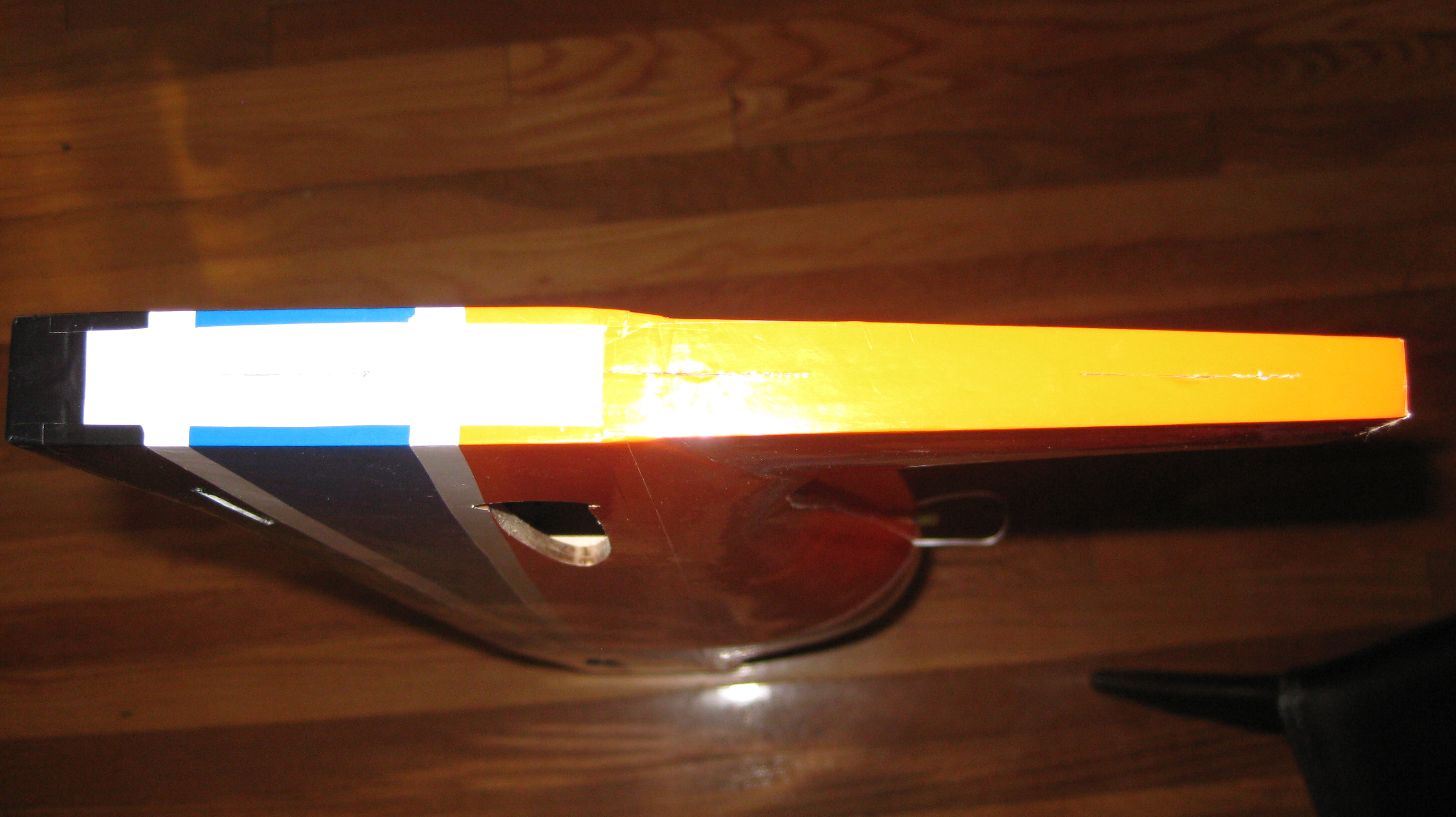
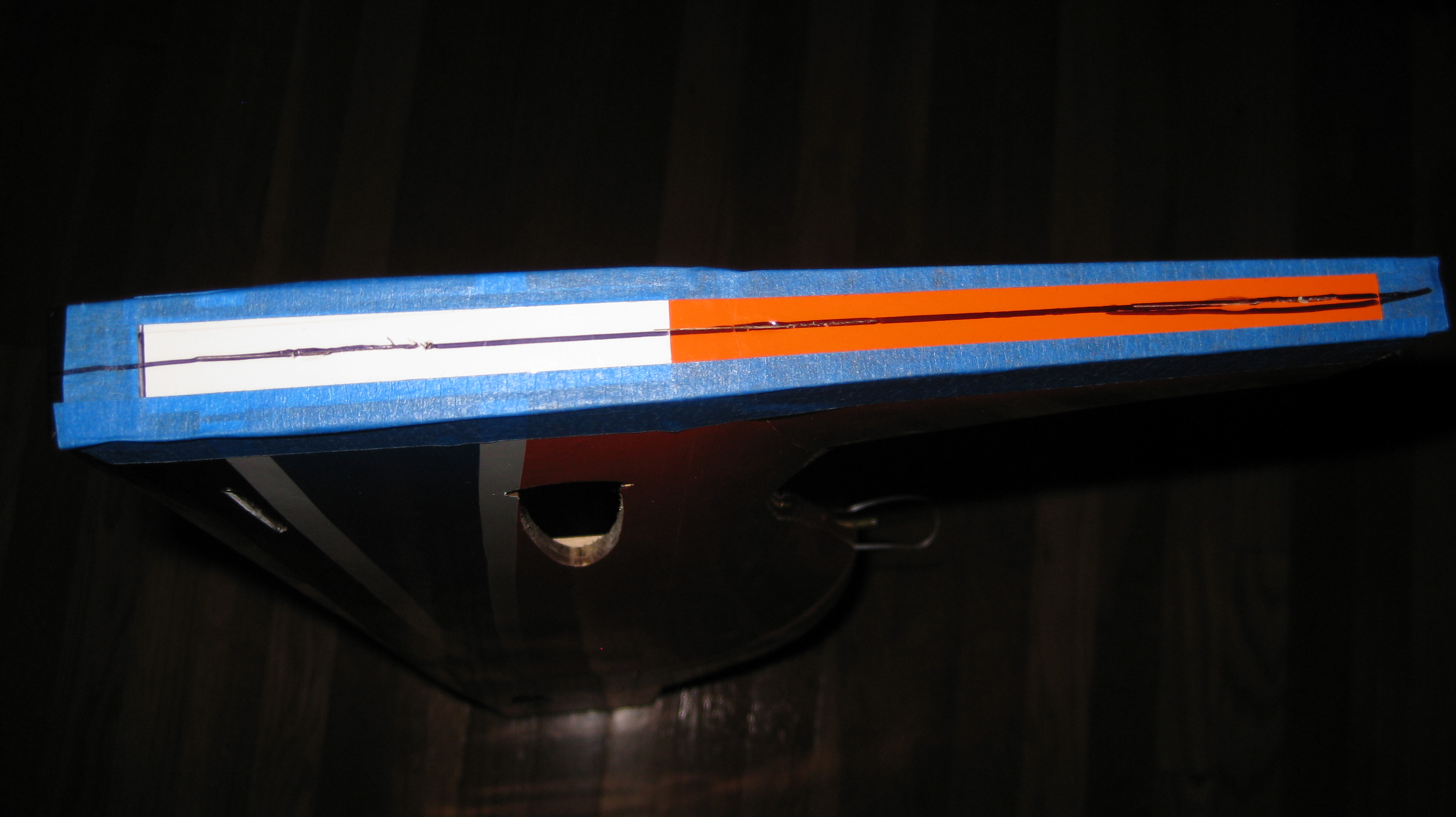
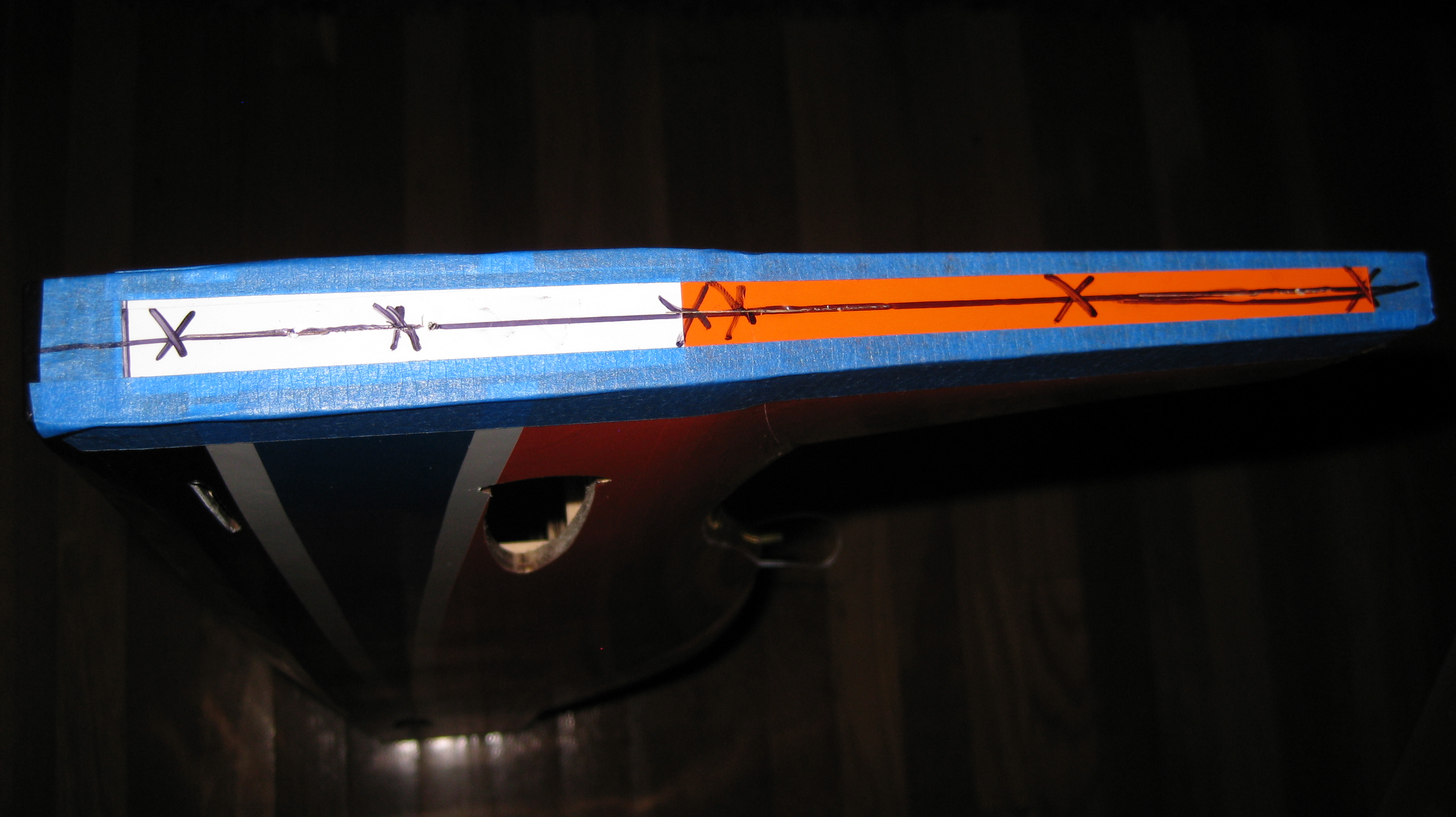
So here is where I'm at currently thanks to your input...I figured I could mask the tail end in order to peel back the covering with the tape acting as a stop. Then, Im guessing, cut out the section that has been masked, install blocks and reinstall same piece, or new piece depending on how it comes off.
OR being that I would like to avoid cutting pieces out of a new, covered frame.....
I could also drill out holes along the tail and glue in dowel rod to add depth for point hinges(Robart type). If I go this route... what would be the best way to glue in? CA would be ideal as it would just soak in, but would that really be enough to hold? If I used Epoxy or Gorilla Glue, most of it would come off when inserting the rod into the hole.
The "X"s in the pics mark where there is a former of what seems to be 1/8" ply. The rudder seems fine as the leading edge seems to be tristock all the way up.
Thanks Joe for the pics. Ive used that method previously on a rebuild I did of a Funtana a couple of years ago. But in that case I had the plane stripped to the bare frame which made it the best method. Here, Im trying to avoid stripping the tail down and keep the covering intact.
OR being that I would like to avoid cutting pieces out of a new, covered frame.....
I could also drill out holes along the tail and glue in dowel rod to add depth for point hinges(Robart type). If I go this route... what would be the best way to glue in? CA would be ideal as it would just soak in, but would that really be enough to hold? If I used Epoxy or Gorilla Glue, most of it would come off when inserting the rod into the hole.
The "X"s in the pics mark where there is a former of what seems to be 1/8" ply. The rudder seems fine as the leading edge seems to be tristock all the way up.
Thanks Joe for the pics. Ive used that method previously on a rebuild I did of a Funtana a couple of years ago. But in that case I had the plane stripped to the bare frame which made it the best method. Here, Im trying to avoid stripping the tail down and keep the covering intact.
Last edited by ro347; 07-30-2014 at 01:28 PM.


