


Contra Rotating Propeller Drive for f3a 2m Pattern Planes

 12-21-2019 | 10:53 AM
#1928


I have completed some flights with the V4 and the D3 ESC and the 18SZ transmitter. Falcon 23x20F and 23x22R, Pyro 600-970, Allure @ 4550g with TP5000s.
The endpoints for the throttle are set at 120% on the low (1193us) and 109% on the high (1980us). 114% on the high will show 2000us, but I am using 109% to allow some overhead for the governor to keep the maximum power the same at the end of the flight when the battery voltage has dropped. I tried to make all curves close to the same power with the throttle stick in the middle position, so it is easier to change between curves without causing a sudden change to the motor power.
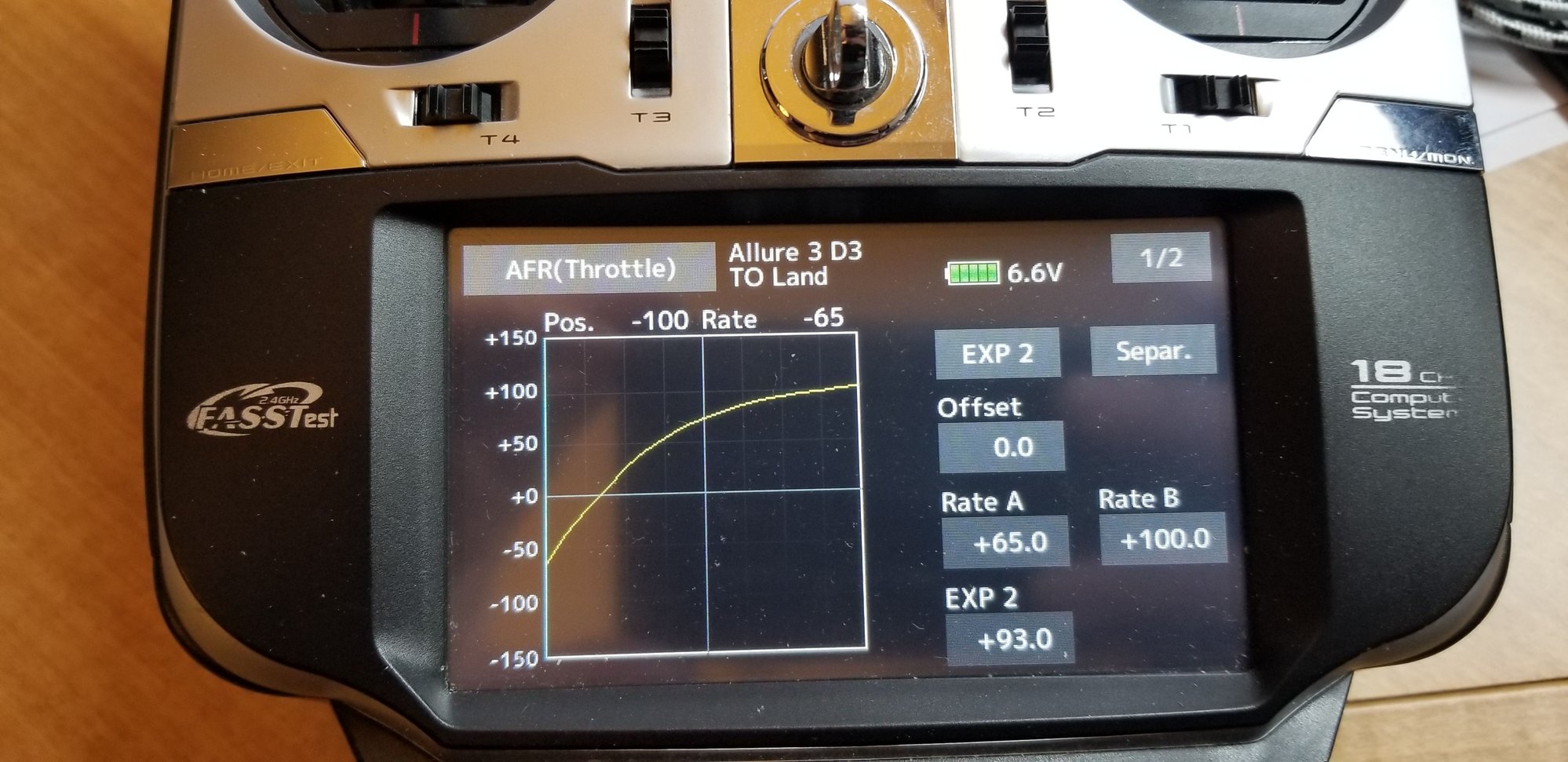
Takeoff Landing throttle curve
I use a 3 position switch to makes small changes to idle speed on the throttle AFR curve.
990us (zero RPM).
1193us (slow idle). Futaba “rate” on the mixing curve is -65, and this is for sitting on ground with props spinning.
1243us (fast idle). For landing pattern – sometimes I change to slow idle (1193us) just before landing.
1980us (full power). Futaba rate is +100.
Advancing throttle curve has delay of 24 (about 4 seconds).
Reducing throttle curve has delay of 21 (about 3.5 seconds).
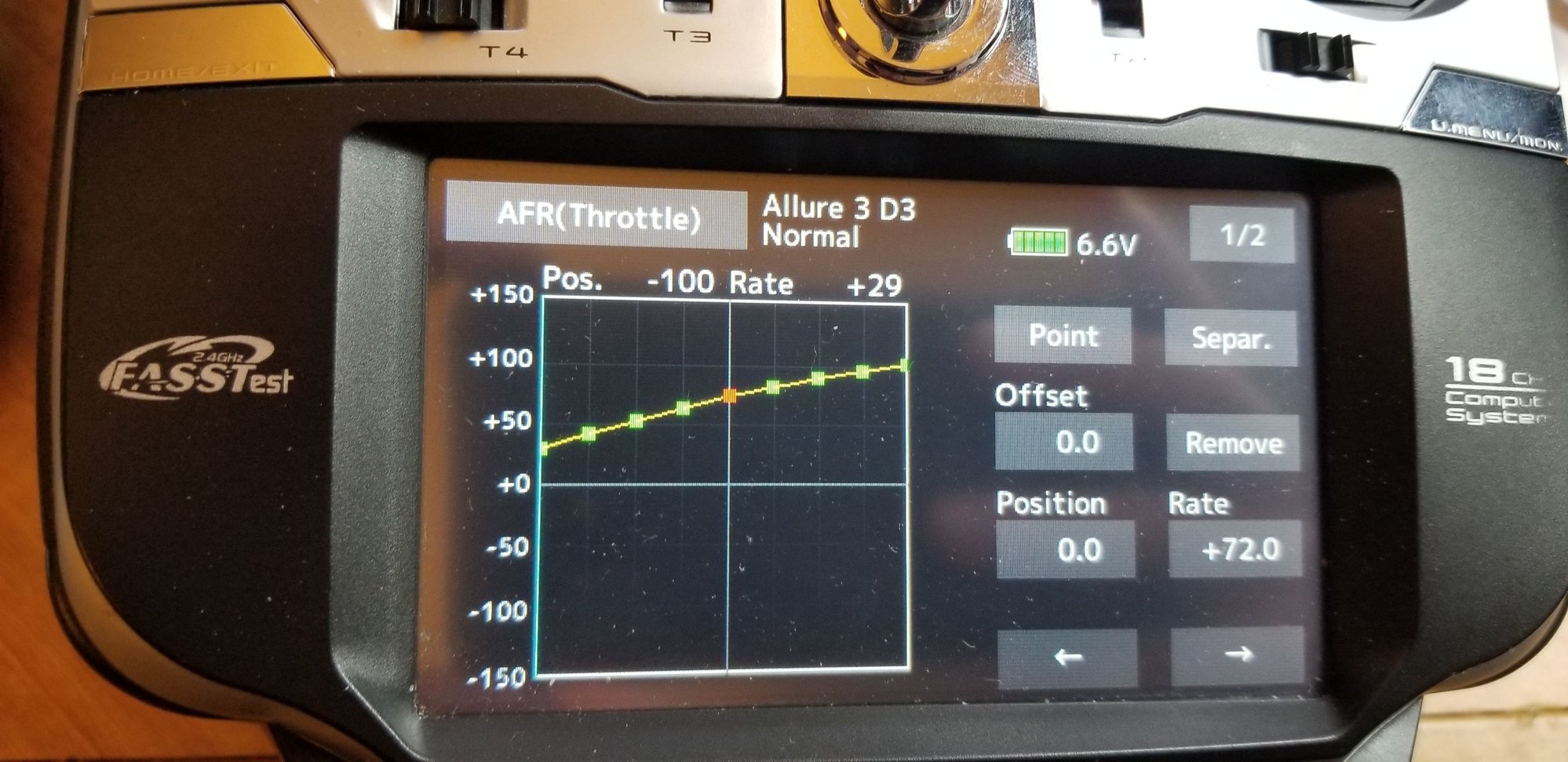
Normal throttle curve.
1652us (low power), rate is +29.
1980us (full power), rate is +100.
Advancing throttle curve has delay of 22.
Reducing throttle curve has delay of 20.
Because the throttle is moving over a much smaller range, the time it is taking to go from lowest to highest throttle in this curve is about 0.8 seconds, and about 1 second.
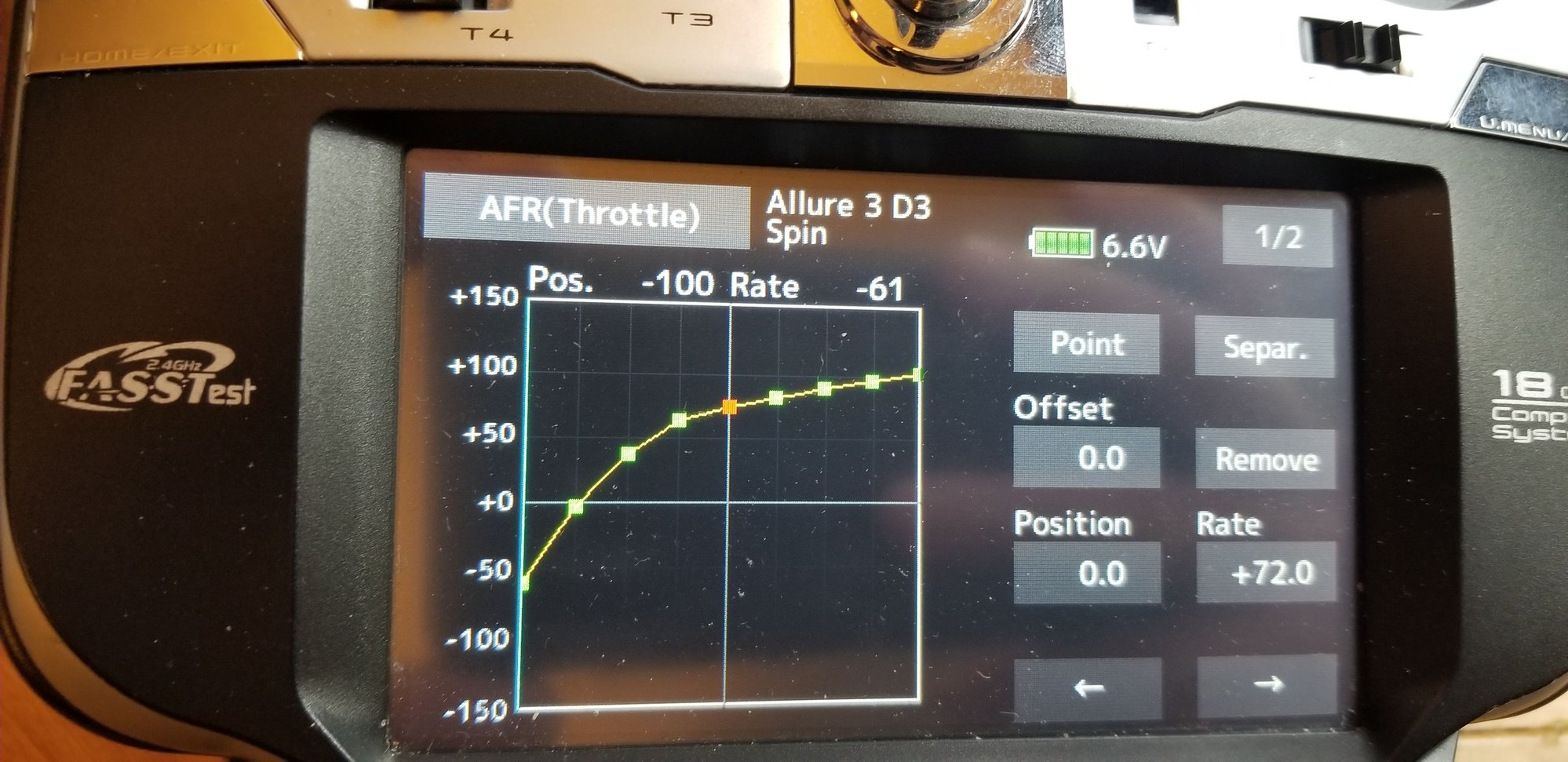
Spin throttle curve
1213us (medium idle). Futaba rate is -61.
1980us (full power). Futaba rate is +100.
Advancing throttle curve has delay of 24.
Reducing throttle curve has delay of 21.
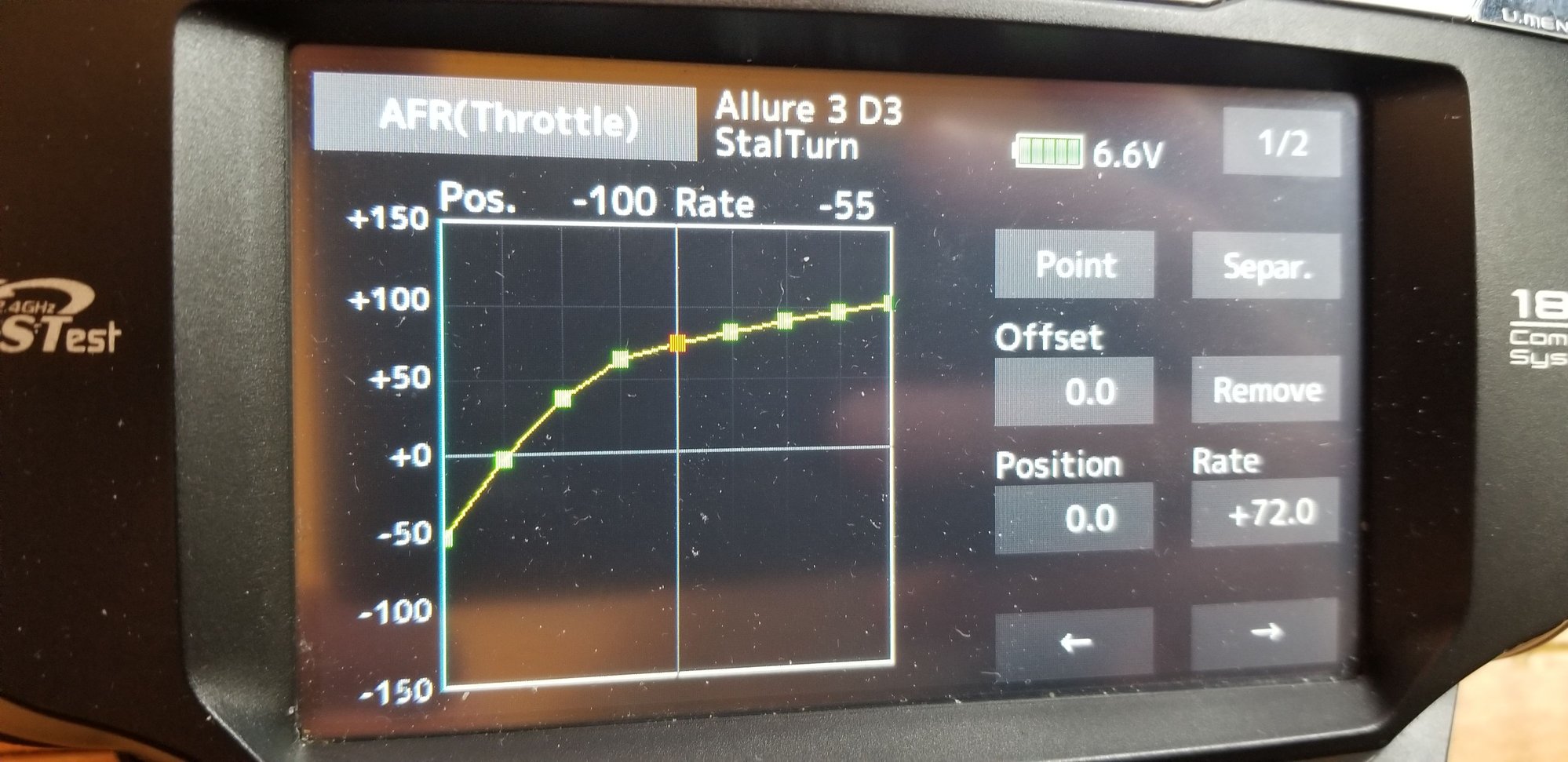
Stall Turn throttle curve
1243us (fast idle). Futaba rate is -55.
1980us (full power). Futaba rate is +100.
Advancing throttle curve has delay of 21.
Reducing throttle curve has delay of 20.
With this setup, the throttle response is quite crisp at all times in the air - the D3 is extremely powerful. Under some flight conditions, it is possible to have a prop "buffeting" sound if the throttle is reduced too quickly. I believe this sound comes from the relative prop disc RPMs getting very slow. Once this happens, blipping the throttle will bring the RPM back up, and the buffeting sound goes away. The buffeting can also be avoided by using a higher RPM for low power (also reduces maximum braking), or increasing the delay time when reducing the throttle (makes the throttle feel sluggish to me). It definitely took quite a few flights to get the overall throttle feel I wanted in the air, and it is definitely different than flying a traditional ESC. Some pictures are attached to show the shape of the throttle curves.
 12-21-2019 | 02:18 PM
#1929


Joined: Jul 2005
Posts: 212
Likes: 0
Received 0 Likes
on
0 Posts
From: Oslo, NORWAY
Thanks Dave
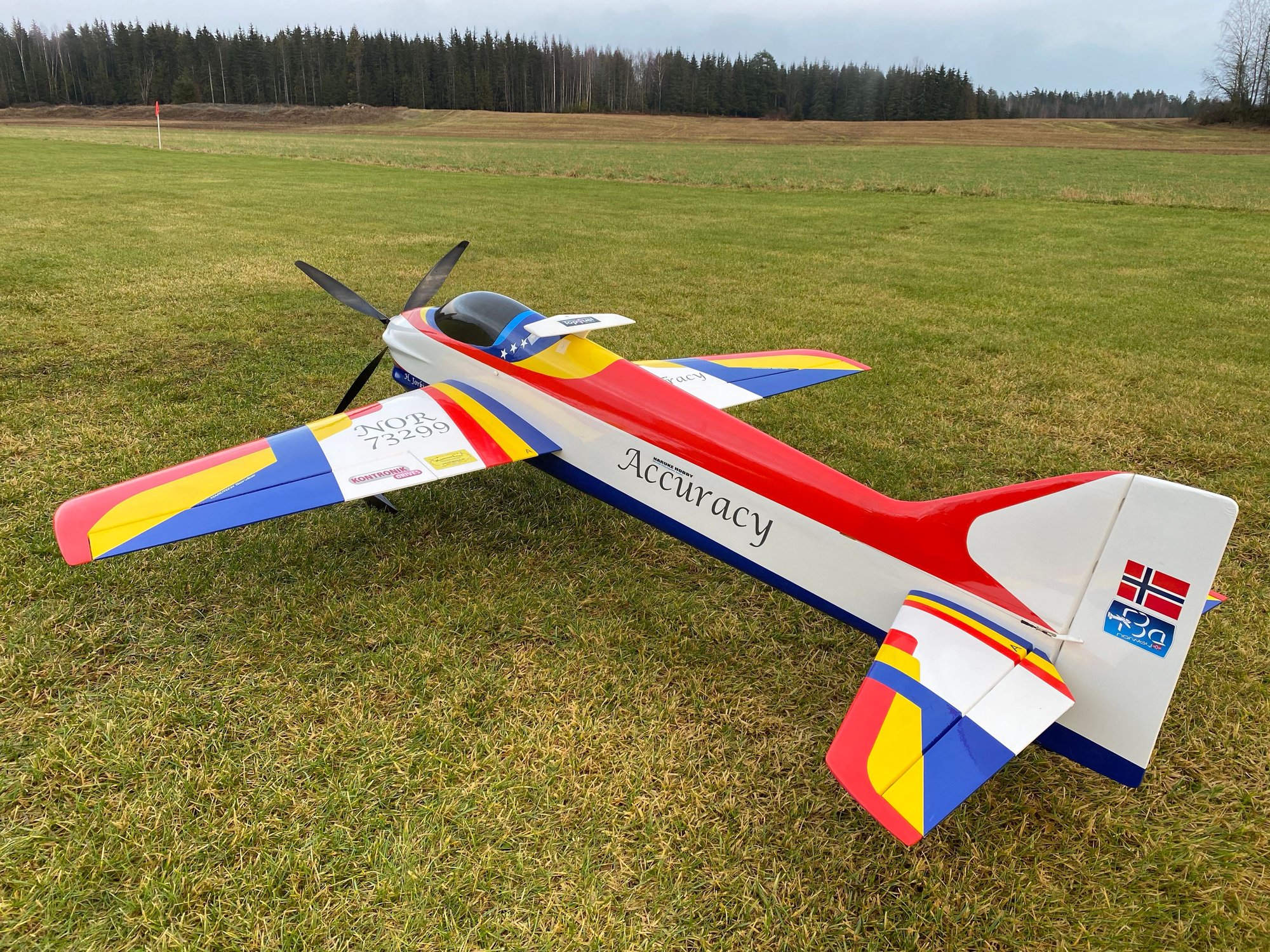
I installed the D3 ESC today in my old trusty Accuracy Mono from Naruke Hobby that will be my testbed over the winter. Looking at your Normal throttle curve I will have to do some adjustments to what I have set up. My curve look more like the one you are using for Stall Turn.
Interesting to se the servo speed you are using. I set the speed to 10 both in and out but will increase them to 20 and adjust from there.
Br
Henning
I installed the D3 ESC today in my old trusty Accuracy Mono from Naruke Hobby that will be my testbed over the winter. Looking at your Normal throttle curve I will have to do some adjustments to what I have set up. My curve look more like the one you are using for Stall Turn.
Interesting to se the servo speed you are using. I set the speed to 10 both in and out but will increase them to 20 and adjust from there.
Br
Henning
12-21-2019 | 06:13 PM
#1931
Henning,
It will be interesting to see what curves and settings you like once you have a chance to fly and adjust the D3. I found the curves needed to be quite different between normal flying and stall turn / spin / landing. It might be possible to use only 2 curves, but I have the throttle curves activated in flight conditions that I use TO / Landing, spins, and stall turns.
It will be interesting to see what curves and settings you like once you have a chance to fly and adjust the D3. I found the curves needed to be quite different between normal flying and stall turn / spin / landing. It might be possible to use only 2 curves, but I have the throttle curves activated in flight conditions that I use TO / Landing, spins, and stall turns.
01-01-2020 | 01:26 PM
#1932
Joined: Jul 2005
Posts: 212
Likes: 0
Received 0 Likes
on
0 Posts
From: Oslo, NORWAY
Henning,
It will be interesting to see what curves and settings you like once you have a chance to fly and adjust the D3. I found the curves needed to be quite different between normal flying and stall turn / spin / landing. It might be possible to use only 2 curves, but I have the throttle curves activated in flight conditions that I use TO / Landing, spins, and stall turns.
It will be interesting to see what curves and settings you like once you have a chance to fly and adjust the D3. I found the curves needed to be quite different between normal flying and stall turn / spin / landing. It might be possible to use only 2 curves, but I have the throttle curves activated in flight conditions that I use TO / Landing, spins, and stall turns.
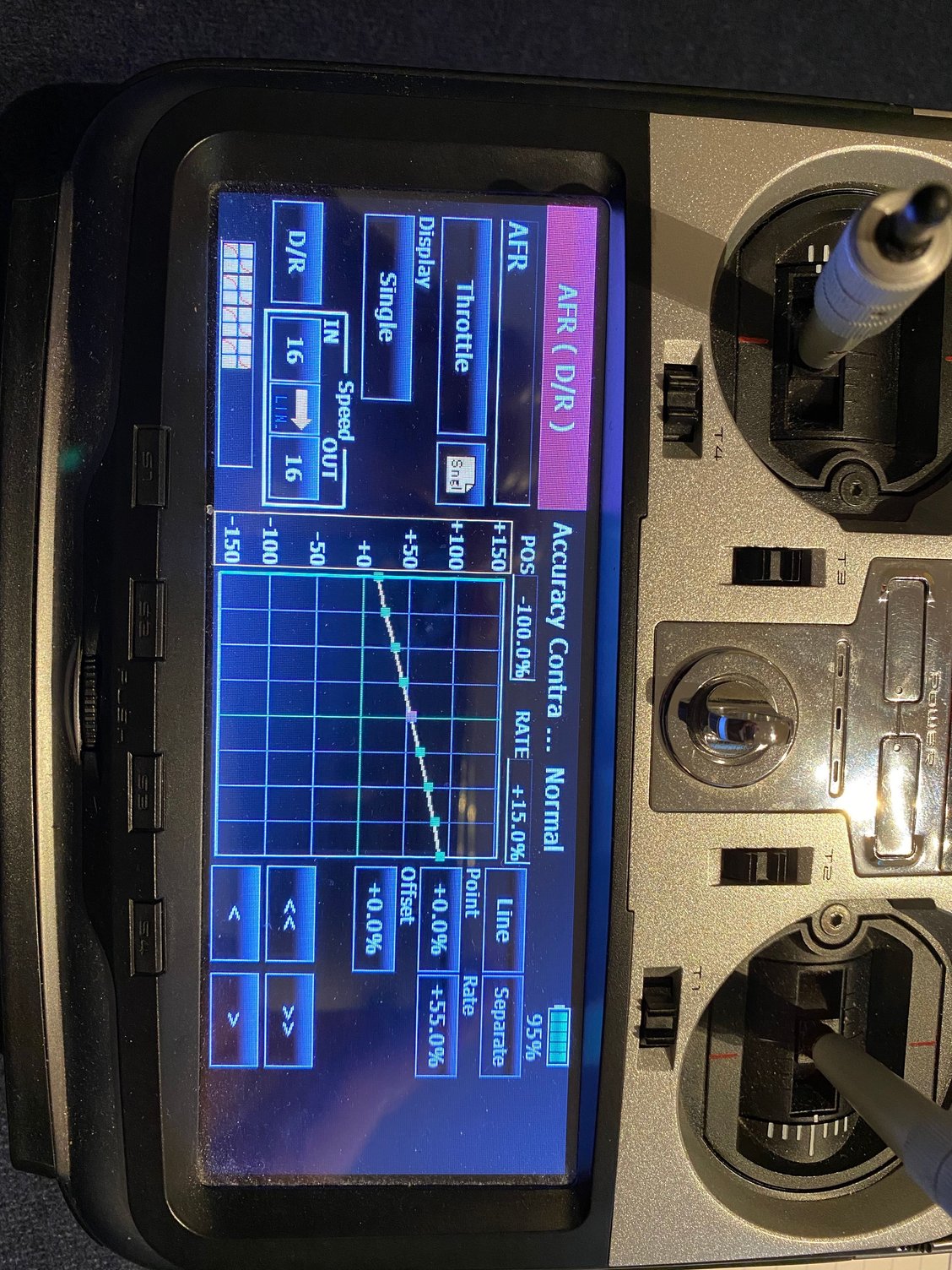
The weather over the x-mas holiday has been good enough to test the D3 ESC. We only have 4 hours of flyable daylight at this time of the year but over some days I have logged 29 flights.
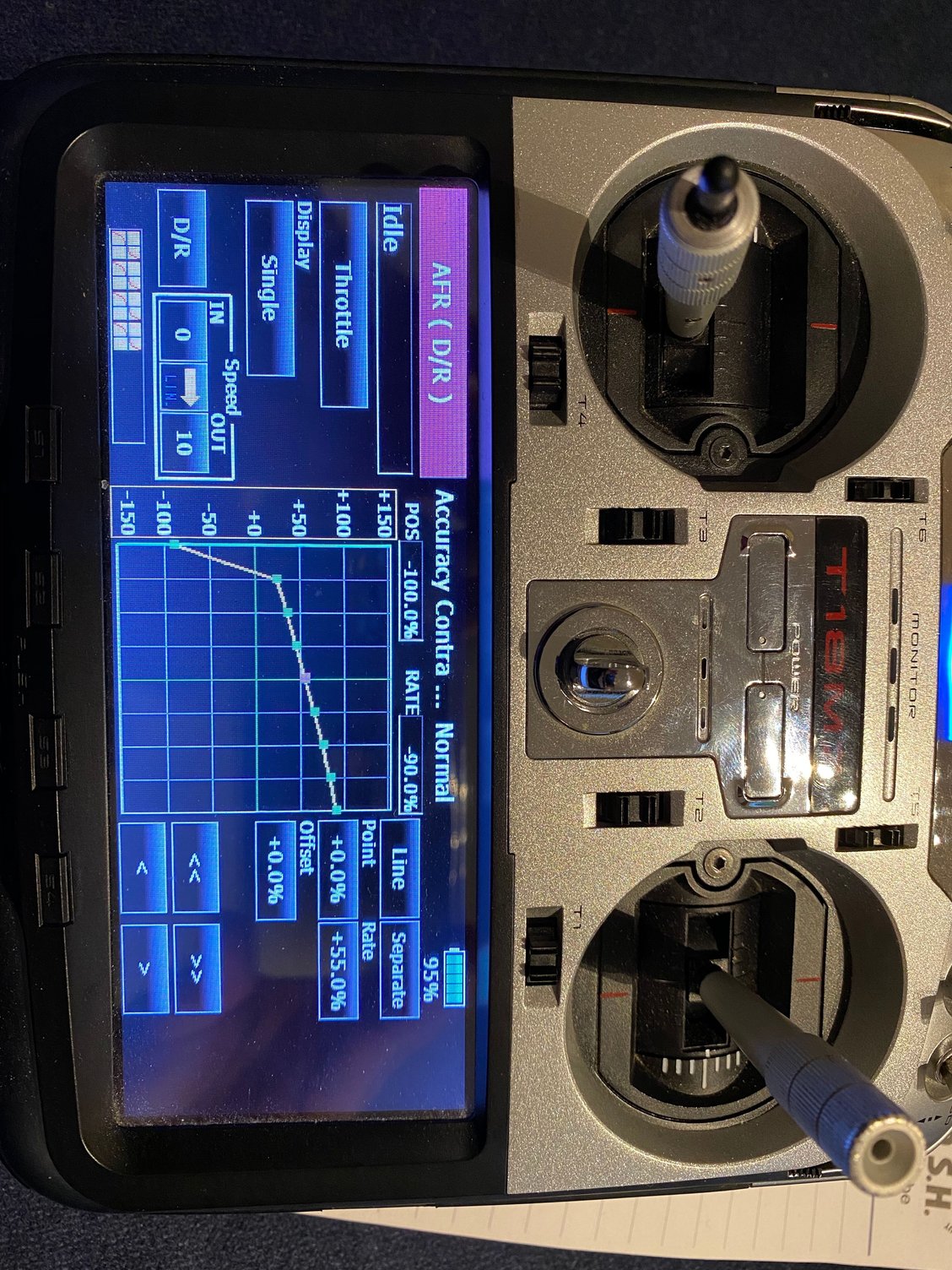
In general I like the D3 once in the air. The start up and landing sequence with changing throttle curves by a 3 pt switch will take some more time to get used to. I hope to get some more flights in the upcoming weekend.
V4 600 14 Pole Mejzlik 22x20F and 22x22R used for windy conditions.
Futaba 18MZ
ATV
Full 108%
Low 124%
Normal flight
Full 1.910 ms
Low 1.592 ms
Speed In 16 Out 16
I have reduced the full power on both the ATV and the throttle curve.
Idle 1.054 ms
Speed In 0 Out 10
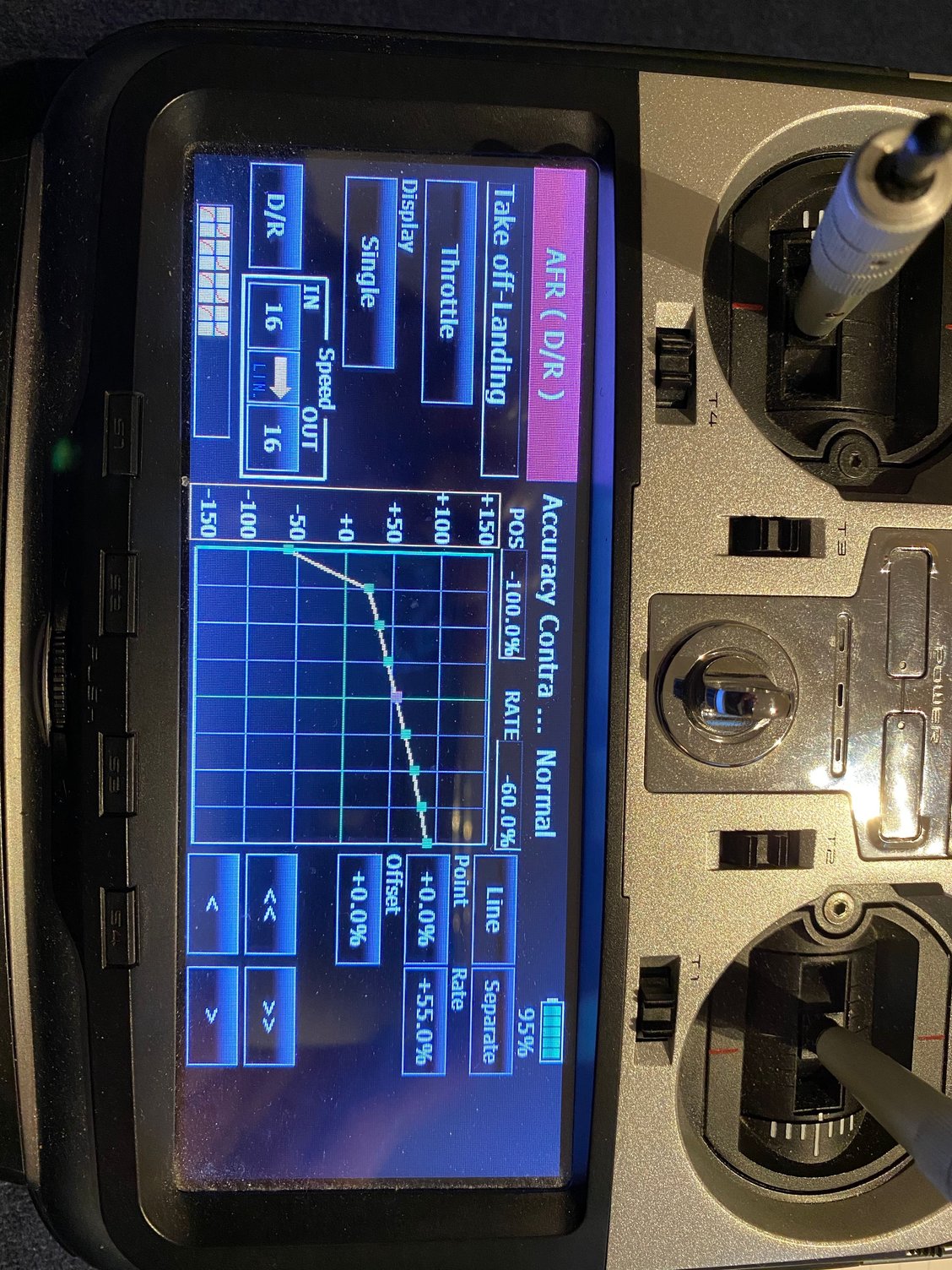
Takeoff/Landing 1.210 ms
Speed In 16 Out 16
Throttle hold/off 0.953 ms
Spin 1.367 ms
Stall Turn 1.637 ms
Speed In 16 Out 16
Br
Henning
Last edited by Henning; 01-01-2020 at 01:30 PM.
04-09-2020 | 05:25 PM
#1933
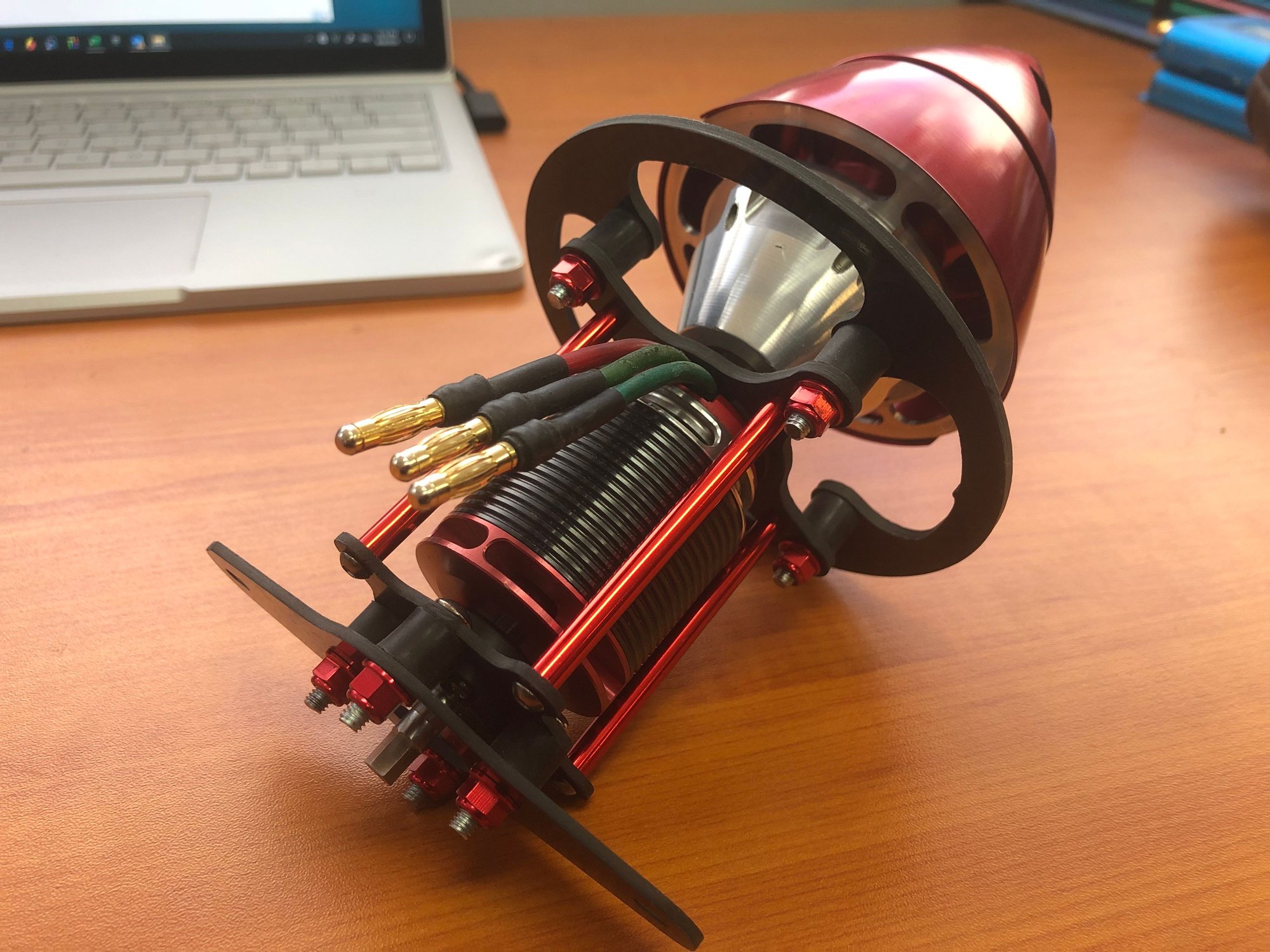
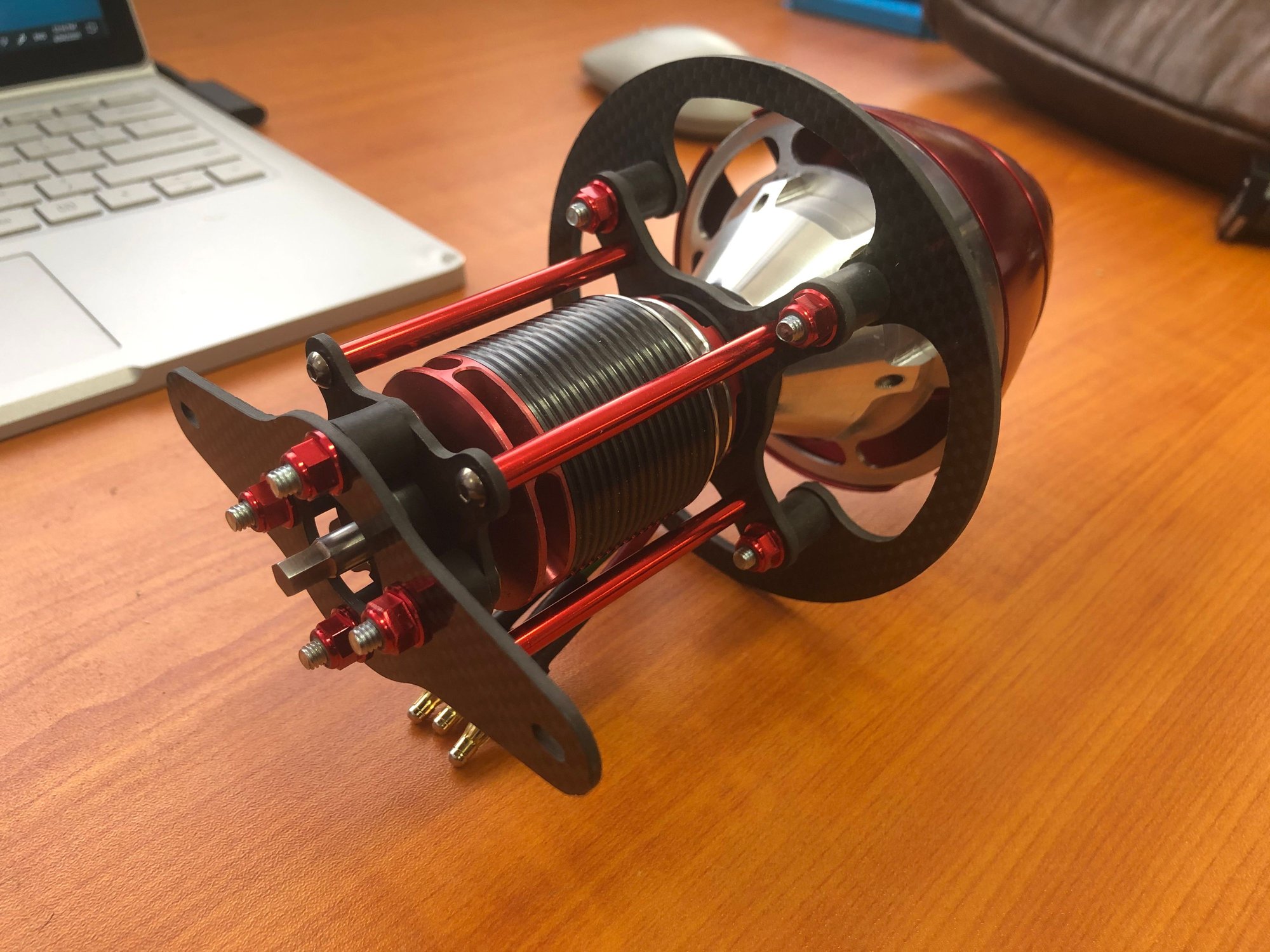
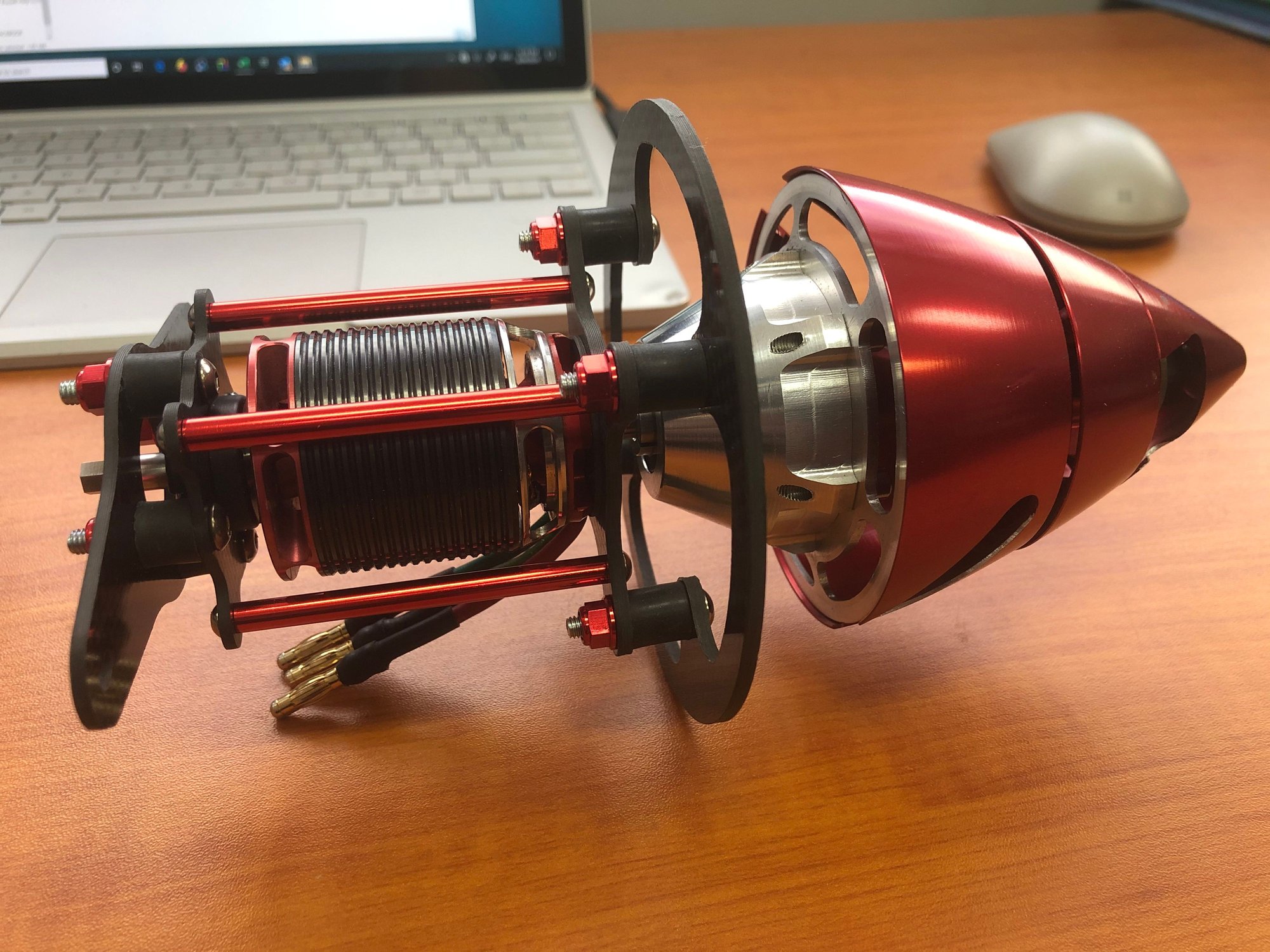
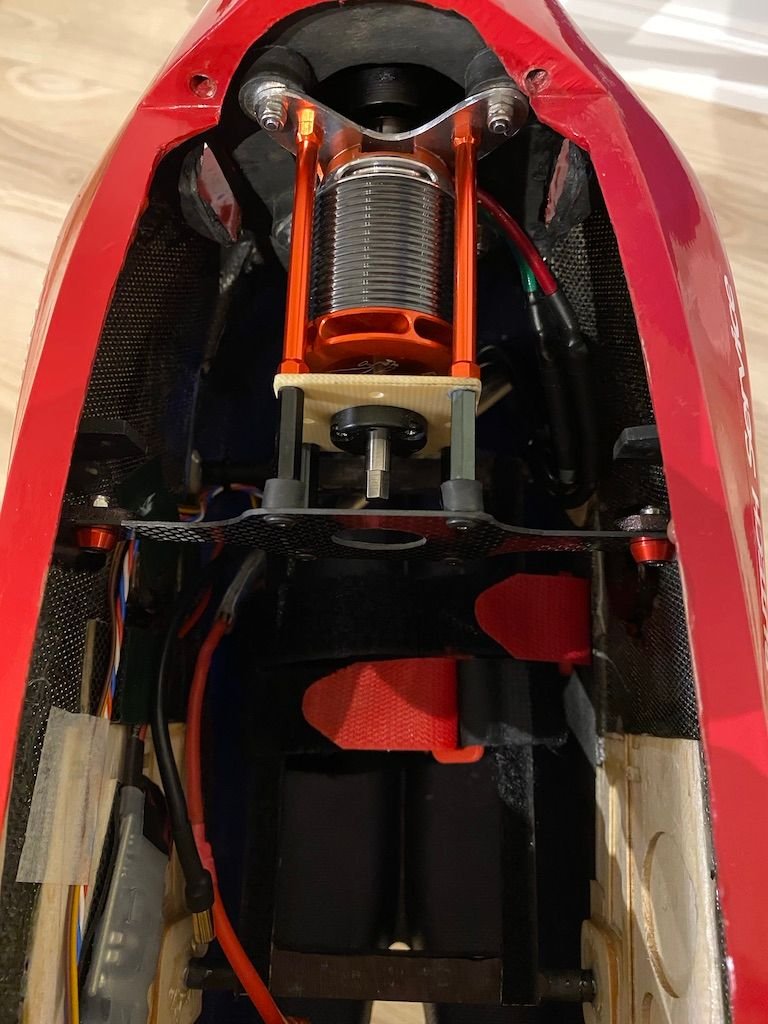
My latest version of the V4 mount
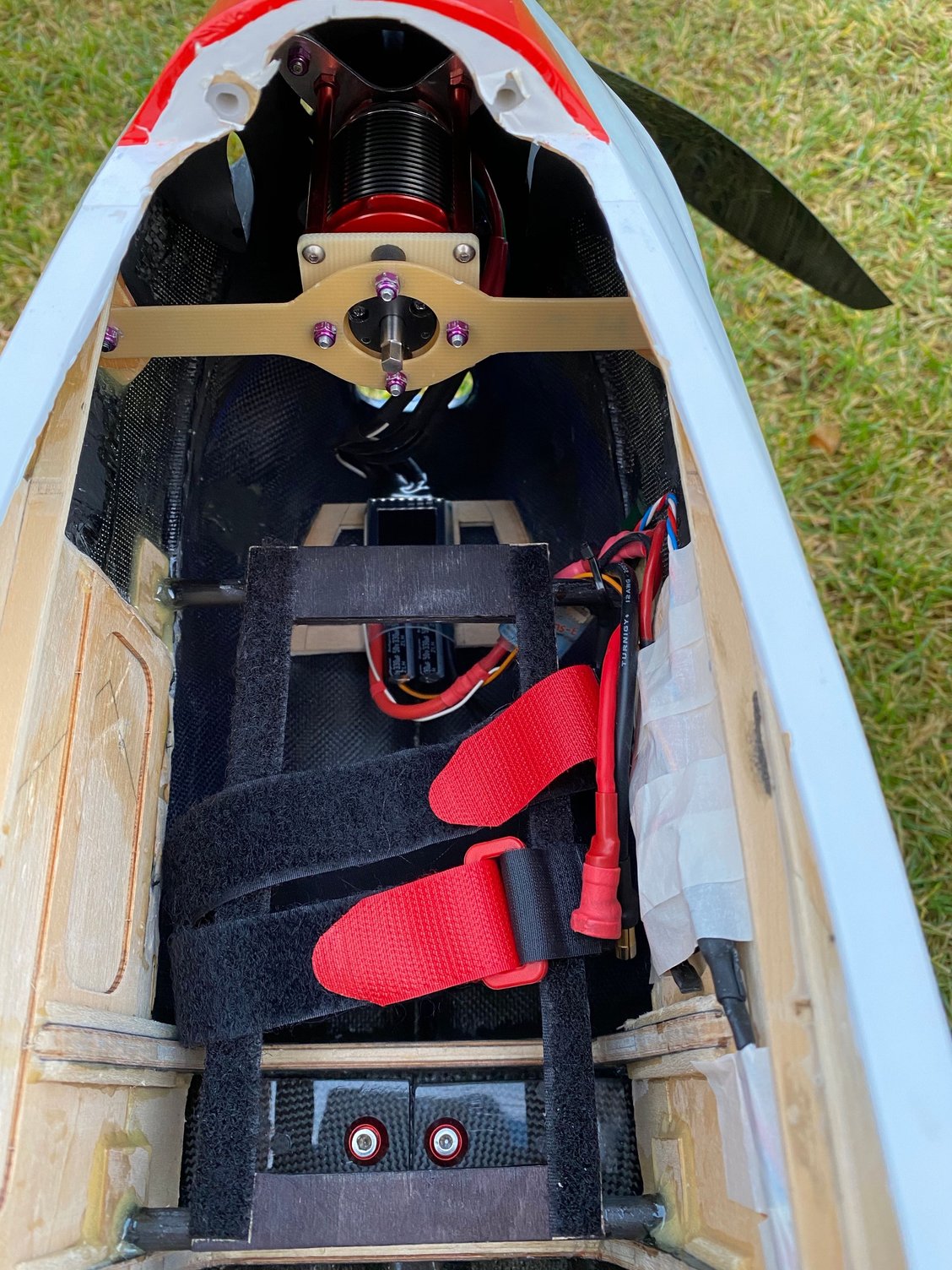
Here are some photos of my latest CNCed mount to suit the V4. I have been using this setup for the past 4 years with great success and 100% reliability 850+ flights. I recently had my drive serviced and was told it was all good with little to no wear. The bearings in the motor needed replacing however all the bearings in the drive were still good to use. I had them replaced anyway given I sent it in for servicing.
I am building a couple of new models for the season which gave me the opportunity to think about the mount a little further. I wanted the ability to remove the entire motor and drive (without disassembly) through the front of the model. To remove the whole drive I simply remove the spinner cones which will give me access to the front bolts. I then remove the 2 bolts on the rear brace to the fuse, rotate the drive slightly and extract the whole assembly.
I don't have weights yet as my scales no longer work but it's minimal for the added complexity. The benefit is the whole drive floats and the rear shaft support is isolated to the rear cross brace/fuselage. This setup goes a long way to removing the axial loads at the rear of the motor shaft especially under high G maneuvers. The model is also noticeably quieter to other V4 drives I have heard.
The large front carbon ring shown in the photos will be glued permanently into the model as the drive mount
I have to give acknowledgment to Henning for coming up with the concept and Richard Hirst for drawing it up for me.
I am building a couple of new models for the season which gave me the opportunity to think about the mount a little further. I wanted the ability to remove the entire motor and drive (without disassembly) through the front of the model. To remove the whole drive I simply remove the spinner cones which will give me access to the front bolts. I then remove the 2 bolts on the rear brace to the fuse, rotate the drive slightly and extract the whole assembly.
I don't have weights yet as my scales no longer work but it's minimal for the added complexity. The benefit is the whole drive floats and the rear shaft support is isolated to the rear cross brace/fuselage. This setup goes a long way to removing the axial loads at the rear of the motor shaft especially under high G maneuvers. The model is also noticeably quieter to other V4 drives I have heard.
The large front carbon ring shown in the photos will be glued permanently into the model as the drive mount
I have to give acknowledgment to Henning for coming up with the concept and Richard Hirst for drawing it up for me.
Last edited by PeterP; 04-09-2020 at 05:29 PM.
04-10-2020 | 09:45 AM
#1936
Thread Starter

The Drive is available from f3aunlimited. The Drive mount is the work of Henning and Peter, not currently available unless these guys want to make them and offer them for sale.
Brenner ...
Brenner ...
The following users liked this post:
big_G (04-10-2020)
04-10-2020 | 12:32 PM
#1937
Joined: Jul 2005
Posts: 212
Likes: 0
Received 0 Likes
on
0 Posts
From: Oslo, NORWAY
Hi Peter,
The parts for the mount for sure looks good when cut by CNC. I still cut my mounting plates with a scroll saw and drill with a drill press. I am still experimenting to to improve the mount. The best result to now have been to change to bigger and softer front mounts and extending the back support by 20 mm. The front dampers are now D15x8H 40Sh. This is probably not the final result but the vibrations at midrange have reduced and the noice level is down in the air.
Br
Henning
The parts for the mount for sure looks good when cut by CNC. I still cut my mounting plates with a scroll saw and drill with a drill press. I am still experimenting to to improve the mount. The best result to now have been to change to bigger and softer front mounts and extending the back support by 20 mm. The front dampers are now D15x8H 40Sh. This is probably not the final result but the vibrations at midrange have reduced and the noice level is down in the air.
Br
Henning
04-11-2020 | 01:20 AM
#1939
Hi Henning,
Thanks for your update. Very interesting. The rubbers I am currently using have a Shore Hardness of 50. I do have a degree of movement there and have considered placing a sleeve over part of them the stiffen them up slightly.
What version Kontronik motor are you using?
Cheers
Peter
Thanks for your update. Very interesting. The rubbers I am currently using have a Shore Hardness of 50. I do have a degree of movement there and have considered placing a sleeve over part of them the stiffen them up slightly.
What version Kontronik motor are you using?
Cheers
Peter
04-11-2020 | 05:17 AM
#1940
Joined: Jul 2005
Posts: 212
Likes: 0
Received 0 Likes
on
0 Posts
From: Oslo, NORWAY
Hi Peter
An alternative to adding a sleve over the dampers to limit movement is to increase the diameter of the rubber dampers and keeping the hight. I went up from D10 mm to D15 mm and reduced the Sh.
I have two 600 14 Pole and one 10 Pole. I find the 10 Pole the most efficient and best suited for the Mejzlik F22x20 and R22x22 propellers. With the D3 ESC the difference is not that big between the motors as with the Mezon ESC.
Br
Henning
An alternative to adding a sleve over the dampers to limit movement is to increase the diameter of the rubber dampers and keeping the hight. I went up from D10 mm to D15 mm and reduced the Sh.
I have two 600 14 Pole and one 10 Pole. I find the 10 Pole the most efficient and best suited for the Mejzlik F22x20 and R22x22 propellers. With the D3 ESC the difference is not that big between the motors as with the Mezon ESC.
Br
Henning
04-11-2020 | 05:47 AM
#1941
Thanks. Just the ability to pull the drive without major disassembly is worth the change. If it's quieter, even better.
04-12-2020 | 11:52 AM
#1943
Joined: Jul 2005
Posts: 212
Likes: 0
Received 0 Likes
on
0 Posts
From: Oslo, NORWAY
Yes, the Accuracy is built from a Naruke Kit originally for YS but I have redesigned it from one piece wing to plugin wings. The T-can is from a CA Osmose. It improves the rudder authority and in general the tracking of the plane. I used to fly the plane when it was new in 2015 with a OS Belt drive and without the T-can. I first added the T-can. Then converted to V4. The combination of the T-can and the V4 have extended the usage of the plane. I can fly the F21 with it even though my Bip does it better.
Br
Henning
06-19-2020 | 02:58 AM
#1945
Joined: Jan 2004
Posts: 242
Likes: 0
Received 0 Likes
on
0 Posts
From: Galway, IRELAND
Propellers
Hi all, what propellers are you all using with the V4 contra these days? I’m still using the 23.25x20.25 front and 22.75x22.25 rear as made by mike Gaishin. Is there other options that suit better or are they still the best.
06-19-2020 | 04:11 AM
#1946
Thread Starter
Brenner ...

